Jaggery – characteristics of a less popular alternative to white sugar
Table of Contents 4
Medical & Editorial Disclaimer (§3 Terms): This article is for informational and educational purposes only, does not constitute medical advice, diagnosis, or treatment, and is used at your own risk. Consult a qualified physician for medical conditions.
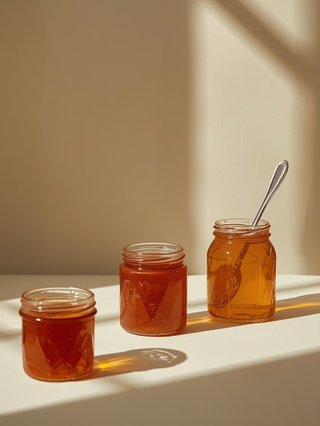
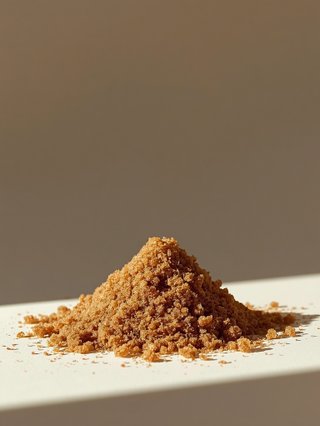
The article details the traditional production process of jaggery, which relies on unrefined methods that impart its characteristic taste and color. Various forms and consistencies of the product are presented, ranging from soft and honey-like to hard blocks that are easily processed. Furthermore, jaggery's composition is highlighted, including sucrose, fructose, and trace amounts of protein, fat, and essential minerals such as iron, magnesium, and potassium, distinguishing it from conventional sugar.
Practically, this means jaggery can be a versatile ingredient in the kitchen, well-suited for sweetening curries, desserts, and other dishes. It can be used as a substitute for refined sugar to impart a deeper, caramel note to foods while also benefiting from a broader spectrum of nutrients. Its ease of use, whether by breaking or grating, makes it an accessible sweetener for daily application.
The Traditional Production Process of Unrefined Palm Sugar: Jaggery (Gur/Piloncillo/Panela)
Jaggery: Composition, Sensory Profile, and Culinary Applications in Confectionery and Gastronomy
Jaggery: A Nutrient-Dense Alternative to Refined Sugar with Distinct Health Advantages
The diverse culinary and practical applications of jaggery (palm sugar)
Want to apply these guidelines in your daily diet?
Our smart diet generator creates a tailored meal plan in 3 minutes based on the recommendations in this article.
Tags

Anna Schmidt
• 25.09.2026Diets Premium Expert
Diets Premium team expert. Specializes in nutrition plans, strength sports, and training plans.