Does it make sense to classify products as healthy or unhealthy?
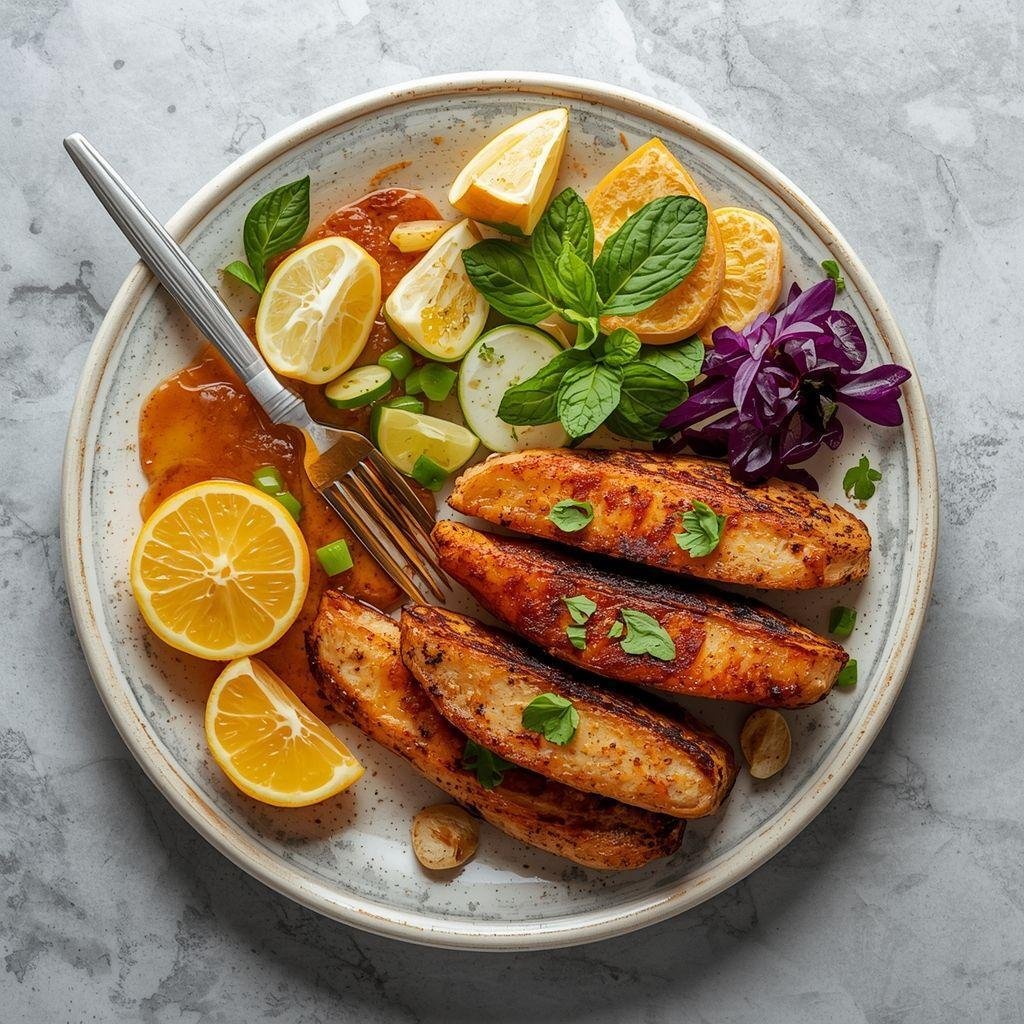
Table of Contents 6
Medical & Editorial Disclaimer (§3 Terms): This article is for informational and educational purposes only, does not constitute medical advice, diagnosis, or treatment, and is used at your own risk. Consult a qualified physician for medical conditions.
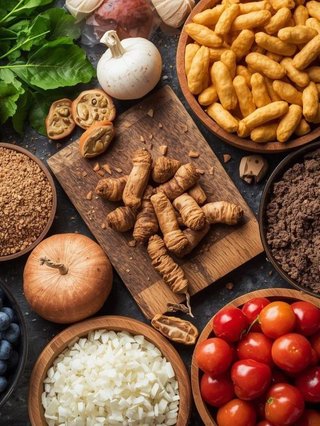
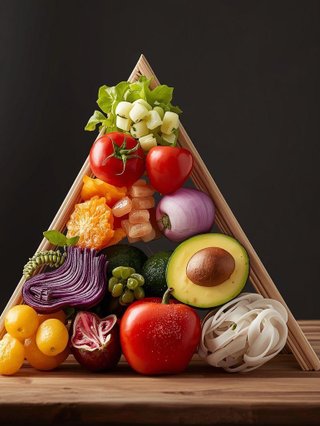
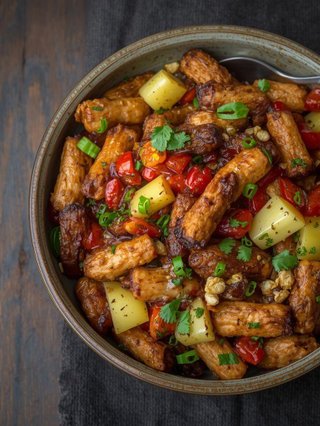
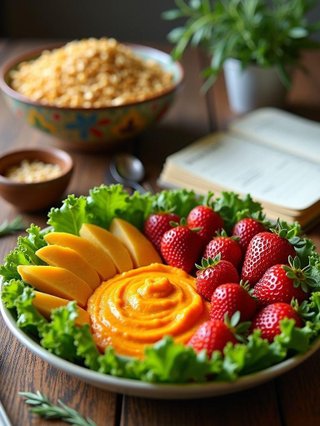
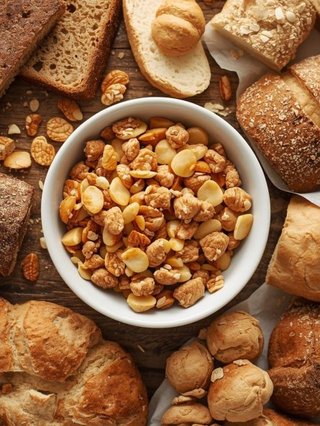
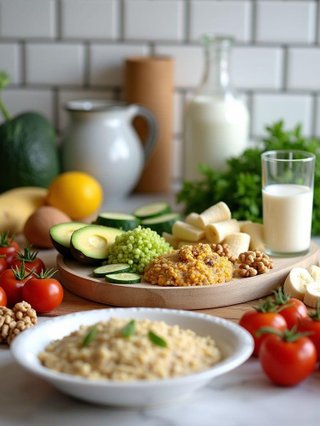
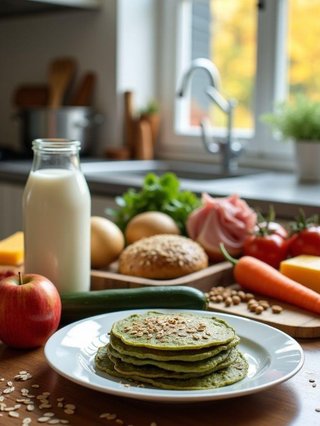
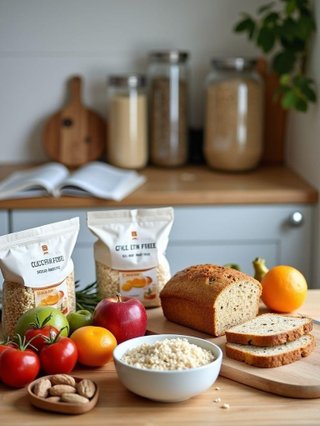
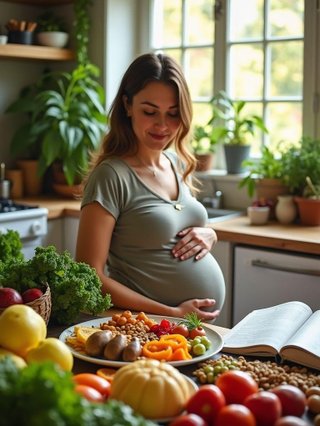
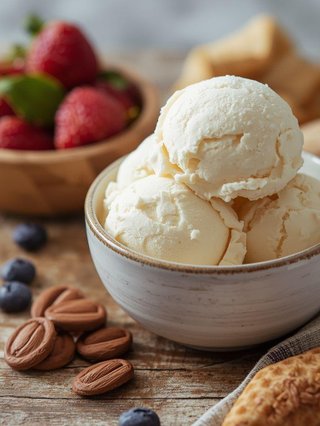
Modern food classification frameworks help illustrate the broad spectrum of edibles, ranging from completely unprocessed agricultural produce and fresh ingredients to highly manufactured ready-to-eat items. This includes whole plant foods, grains, legumes, dairy, and natural additions, contrasted against heavily processed formulations containing various industrial additives. Recognizing these qualitative differences allows individuals to comprehend how processing levels influence the nutritional value of their meals without needing to rely on restrictive dogmas.
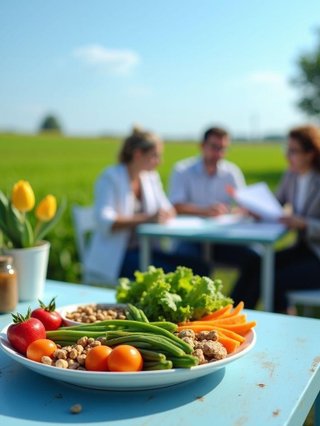
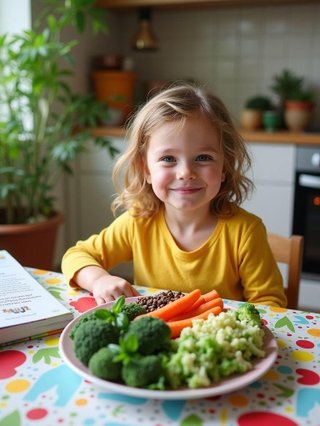
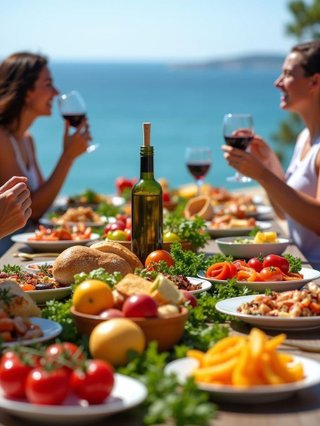
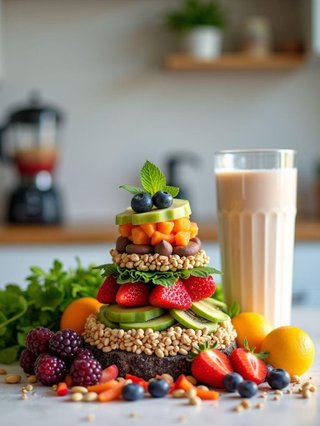
For daily nutrition and lifestyle management, adopting a flexible and balanced approach is far more sustainable than pursuing absolute dietary perfection. By ensuring that the vast majority of everyday meals consist of whole, minimally processed ingredients while allowing occasional culinary pleasures, individuals can foster a healthy relationship with food. This moderate strategy supports long-term physical wellness and mental balance, enabling everyone to enjoy their favorite foods without guilt or extreme deprivation.
This article is professional premium content (PRO) provided in its entirety.
Categorization of food products into healthy and less healthy - is this a sensible approach
Food product categories according to the NOVA classification
Second group - processed nutritional additives:
Third Group - processed food items:
Group 4 – Products with a high degree of processing:
The 80/20 Rule - Explanation of its Significance and Benefits of its Implementation
Want to apply these guidelines in your daily diet?
Our smart diet generator creates a tailored meal plan in 3 minutes based on the recommendations in this article.

mgr Monteiro C., The UN Decade of Nutrition, the NOVA food classification and the trouble with ultra-processing, „Public Health Nutrition” 2018, 21(1), 5–17. Nelkowska D.D., Orthorexia nervosa: definicje, kryteria, klasyfikacje – kontrowersje i rozbieżności w wynikach badań, „Annales Universitatis Mariae Curie-Skłodowska, sectio J – Paedagogia-Psychologia” 2019, 32(3), 169. Nutri-score, nutriscore.pl/ (8.12.2021). Spence C., Comfort food: A review, „International Journal of Gastronomy and Food Science” 2017, 9, 105–109. Strona internetowa pl.openfoodfacts.org/nova-groups (8.12.2021). Talerz zdrowego żywienia, ncez.pzh.gov.pl/abc-zywienia/talerz-zdrowego-zywienia/ (8.12.2021).
• 25.03.2026Diets Premium Expert
Diets Premium team expert. Specializes in nutrition plans, strength sports, and training plans.