Alternative and supportive natural therapies for Crohn's disease: a holistic approach to alleviating chronic intestinal inflammation


Table of Contents 6
Medical & Editorial Disclaimer (§3 Terms): This article is for informational and educational purposes only, does not constitute medical advice, diagnosis, or treatment, and is used at your own risk. Consult a qualified physician for medical conditions.
The physiological mechanisms underlying these therapies focus on the downregulation of inflammatory pathways and the restoration of microbial ecology within the gut. Bioenhanced curcumin and marine-derived omega fatty acids work to inhibit inflammatory signaling cascades, while enteric-coated sodium butyrate provides vital metabolic fuel to support the integrity of the colonic epithelium. Furthermore, addressing potential malabsorption of micronutrients and avoiding industrial food additives are critical steps in maintaining a healthy intestinal barrier and reducing systemic inflammatory triggers.
Practical daily guidance involves adopting an anti-inflammatory dietary framework centered on whole foods while strictly limiting processed emulsifiers that may compromise the protective mucus layer of the gut. Patients are encouraged to discuss the integration of targeted probiotic support, specific amino acid supplementation, and complementary modalities like acupuncture with their clinical team. By focusing on consistent nutritional habits and personalized care, individuals can better support their body's natural resilience and maintain long-term health stability.
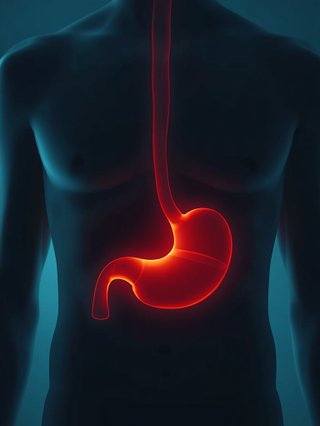
Crohn's disease represents a chronic, transmural inflammatory bowel disease (IBD) driven by aberrant mucosal immune responses against intestinal antigens in genetically susceptible hosts. While conventional pharmacology (biologics, immunomodulators, corticosteroids) remains mandatory for acute flare control, evidence-based adjunctive modalities – targeted microbiome modulation, curcumin, high-potency omega-3s, and sodium butyrate – accelerate mucosal restitution and prolong clinical remission.
Curcumin and Omega-3 PUFAs: Down-Regulating the NF-kappaB Inflammatory Cascade
Transmural mucosal injury in Crohn's disease is driven by sustained upregulation of nuclear factor kappa B (NF-kB) pathways:
- Bioenhanced curcumin: Curcuminoids competitively inhibit I-kappa-B kinase (IKK) activation, blocking nuclear translocation of NF-kB and drastically curtailing mucosal TNF-alpha, IL-1beta, and inducible nitric oxide synthase (iNOS). Clinical trials document enhanced remission maintenance.
- High-potency EPA/DHA marine lipids: Omega-3 fatty acids displace arachidonic acid within leukocyte membranes, generating specialized pro-resolving mediators (SPMs like resolvins and protectins) that facilitate endoscopic mucosal healing.
Microbiome Ecology, Sodium Butyrate, and Targeted Probiotics in IBD
Crohn's cohorts exhibit pronounced dysbiosis characterized by a severe depletion of butyrate-producing firmicutes (notably Faecalibacterium prausnitzii):
- Microencapsulated sodium butyrate: Butyric acid serves as the primary metabolic fuel for colonic epithelial cells, stimulating mucosal repair and upregulating tight junction protein synthesis. Enteric-coated formulations ensure targeted delivery into the distal ileum and colon.
- Probiotic discernment: Non-pathogenic yeasts like Saccharomyces boulardii and specific lactobacilli/bifidobacteria consortia support microbial homeostasis during quiescent phases, but must be monitored cautiously during active severe flares with deep ulcerations.
Anti-Inflammatory Dietary Protocols, Micronutrient Repletion, and Neuro-Enteric Care
Clinical dietary protocols must rigorously differentiate between acute flare management and long-term remission:
- Remission maintenance diet: Whole-food anti-inflammatory framework (e.g., modified Mediterranean or CDED) rich in cooked tubers, lean proteins, and cold-pressed oils. Strict exclusion of industrial emulsifiers (polysorbate-80, carboxymethylcellulose) that degrade the protective mucous hydrogel.
- Micronutrient screening: Terminal ileum involvement causes malabsorption of iron, cobalamin (B12), folate, fat-soluble vitamins, and zinc, mandating periodic hematological monitoring and targeted repletion.
- Neuro-enteric stress regulation: Chronic autonomic stress amplifies intestinal permeability; mindfulness-based stress reduction (MBSR) and adjunctive acupuncture demonstrably improve quality-of-life scores.
Supplements
Fresh or chilled
Acupuncture
Want to apply these guidelines in your daily diet?
Our smart diet generator creates a tailored meal plan in 3 minutes based on the recommendations in this article.
Tags

Wojciech Wiśniewski
• 23.10.2026Diets Premium Expert
Diets Premium team expert. Specializes in nutrition plans, strength sports, and training plans.