Pregnancy & Motherhood
2 min read
How to Increase Your Fertility

1 photo
722
Smart Voice
AI
0:00
0:00
Listen to the article content live
Table of Contents 2
There is no question that our diet influences our overall bodily condition and health, but have we realized that it can also impact our reproductive ability? Here's what we should consume to augment our likelihood of becoming pregnant.
01 / 02
Does Diet Genuinely Impact Fertility? Evidence from Large-Scale Studies and Clinical Implications
A recent publication by the **European Society of Human Reproduction and Embryology (ESHRE)** presents findings from extensive research that elucidates the intricate relationship between dietary patterns and reproductive capacity. The landmark study, conducted over a **12-year period involving a cohort of more than 70,000 American nurses**, revealed that **dietary composition—particularly the intake of trans fats—plays a pivotal role in the pathogenesis of endometriosis**, a condition that substantially impairs natural conception. Participants who disregarded guidelines on trans fat consumption exhibited a **twofold increase in disease risk** compared to those adhering to a balanced diet. Further corroboration emerged from a 2010 study led by **Dr. Regine Steegers-Theunissen at Erasmus University Medical Center in Rotterdam**, which examined **160 couples undergoing assisted reproductive technologies (ART), including in vitro fertilization (IVF) and intracytoplasmic sperm injection (ICSI)**. The results demonstrated that **incorporating plant-based fats, vegetables, legumes, and fish into the diet enhanced the likelihood of a live birth by 40%**, underscoring diet as a **modifiable determinant in fertility treatment outcomes** and reinforcing its clinical relevance in managing infertility.
02 / 02
Which foods should be incorporated into your daily diet and which should be strictly avoided?
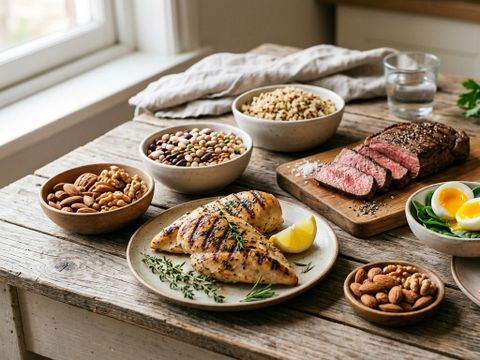
A balanced diet serves as the cornerstone of a healthy lifestyle, encompassing not only the appropriate caloric intake but also a diverse range of nutrients in optimal proportions. For men, **Omega-3 fatty acids** are of paramount importance, with the richest sources being oily marine fish (e.g., salmon, mackerel, sardines), walnuts, flaxseeds, and high-quality plant-based oils such as flaxseed or canola oil. Equally valuable are foods abundant in **vitamin A** (e.g., carrots, sweet potatoes, pumpkin), **zinc** (pumpkin seeds, lentils, beef), and **selenium** (Brazil nuts, tuna, eggs), which support immune function, reproductive health, and metabolism. **Vitamin E**, found in almonds, sunflower oil, and avocados, also plays a crucial role as a potent antioxidant. Women, on the other hand, should prioritize foods rich in **B vitamins** (whole grains, yeast, eggs), **vitamin C** (citrus fruits, bell peppers, kiwi), **iron** (spinach, red meat, lentils), and **folic acid** (leafy greens, beans, broccoli), all of which are essential for nervous system function and hematopoiesis. Incorporating healthy plant-based fats—such as wheat germ oil or hazelnuts—and whole-grain products, which provide fiber and minerals, is highly beneficial. Conversely, highly processed snacks—including salted pretzel sticks, chips, crackers, or breaded roasted nuts—should be avoided due to their high content of unhealthy trans fats, excessive sodium, and empty calories.
Meal Plan
Want to apply these guidelines in your daily diet?
Our smart diet generator creates a tailored meal plan in 3 minutes based on the recommendations in this article.

Scientifically reviewed by a clinical dietitian
• 25.09.2026
tłuszczów, których należy unikać, to przede wszystkim dania typu fast-food, wyroby cukiernicze zawierające w składzie utwardzony olej roślinny lub tłuszcz cukierniczy, a także wszelkie gotowe słone i słodkie przekąski takie, jak: krakersy, chipsy itp.
Diets Premium Expert
Diets Premium team expert. Specializes in nutrition plans, strength sports, and training plans.
USDA FoodData Central
EFSA
PubMed Clinical Guidelines