Key Takeaways
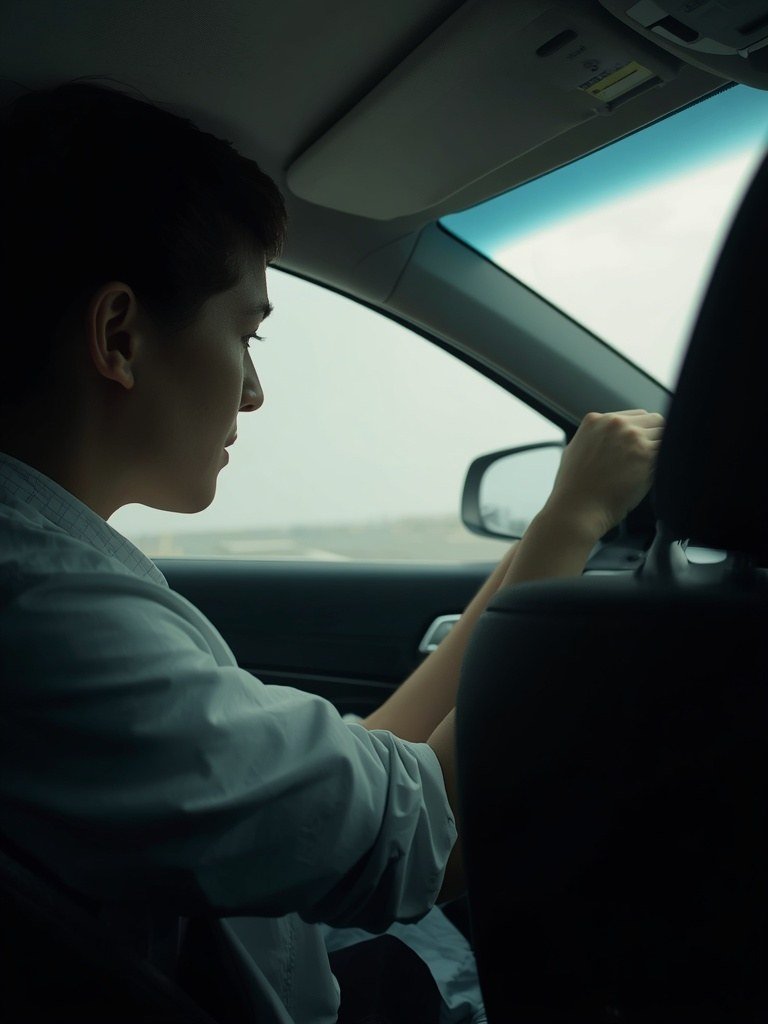
The daily routine of a taxi driver is defined by prolonged periods of sitting, irregular working hours across day and night shifts, and limited opportunities for movement. These conditions frequently lead to unhealthy habits, such as skipping key meals, relying on heavy convenience foods, smoking, and consuming excessive caffeine. Over time, this pattern increases the likelihood of unwanted weight gain, sluggishness, and discomfort in the musculoskeletal system. Establishing a targeted nutritional and lifestyle framework tailored to the demands of driving is essential for maintaining long-term vitality and focus.
Preventing weight gain and metabolic lethargy requires meals that are light and easily digestible, avoiding an overcrowded stomach that can trigger drowsiness behind the wheel. Ensuring an adequate intake of essential vitamins including A, E, C, and B-complex, alongside vital minerals like magnesium, chromium, selenium, iron, zinc, and iodine, supports cognitive alertness and physical well-being. Dietary fiber from raw vegetables plays a vital role in encouraging healthy digestion and preventing constipation associated with prolonged sitting. Consistent hydration with mineral-rich water is equally critical, while avoiding sugar-sweetened beverages helps keep natural appetite cues in balance.
Practical implementation relies on smart preparation and regular physical activity outside of work hours. Starting the day with a wholesome meal at home and packing balanced, portable options for the shift prevents impulse purchases of low-quality foods. Furthermore, utilizing rest days for physical movement—such as brisk walking and exercises focused on core and back strength—helps reinforce the muscles stabilizing the spine and joints, mitigating the physical toll of a sedentary profession and supporting overall health.
Prolonged sitting, monotonous daily routines, lack of exercise, skipping breakfast, poor-quality meals, smoking, and excessive caffeine intake – this is the typical diet of a taxi driver. It is unhealthy, hard to digest, and overly caloric, contributing to weight gain and obesity among male drivers. Learn the principles of proper nutrition for taxi drivers.
03 / 06
Diet for the driver advice on meals eaten
The number of meals a taxi driver should strictly adjust to the hours dictated by work. The best solution would be to start the day with a full-value breakfast at home, then secure the rest of the day by preparing sandwiches and boxed meals that can be eaten cold. The day should primarily start with breakfast, which should account for approx. 30% of the daily energy requirement. For the first meal, you can choose whole-grain bread with lean cold cuts or smoked fish, egg, and a portion of vegetables. Lunch, as a larger meal, should provide an adequately higher amount of calories. The best solution would be to prepare meals at home, for example, by making sandwiches or meals packed in containers that can be eaten cold. For lunch, you can choose a cooked or baked portion of lean meat (poultry, turkey, lean fish), along with a portion of vegetables and a whole grain carbohydrate product (buckwheat, pasta, bread). It is best to drizzle the whole thing with olive oil or oil with herbs or sprinkle with a spoonful of lightly toasted nuts or seeds. If such an option is unavailable, you can choose a fast-food bar offering meals prepared with fresh vegetables, good quality meat, and complex carbohydrates. I would recommend going to a healthy burger place, such as Krowarzywa. At McDonald's, the best option will be the grilled chicken wrap with a sauce that is not mayonnaise-based. Additionally, good choices will be places offering nutritious salads without unnecessary dressings with lean meat, such as grilled and whole-grain bread, sushi, or pasta with light tomato or spinach sauces. When choosing a meal from the menu, the primary consideration should be the thermal processing of the meat product (preferred forms are stewing, baking, boiling, grilling) and carbohydrates such as potatoes, pasta, or groats. Furthermore, heavy sauces based on butter and cream should be avoided. It is good if about 1/3 of the meal consists of a light salad, for example, with an oil-based dressing. If the driver gets hungry during lunchtime and cannot eat a meal, it is worth having a "snack for emergencies" in the car. These can be healthy muesli bars or a bottle of orange or vegetable juice, which will suppress hunger until mealtime. Dinner, eaten 2–3 hours before sleep, aims to maintain an appropriate metabolism and provide a feeling of satiety that will allow for a peaceful sleep. Dinner should be light and should not contain products that are a source of simple carbohydrates (white bread, fruit, sweet pastries). It is best if it consists of a protein product (meat, dairy, eggs) and a serving of vegetables with a little fat. The question remains what to eat during the night shift. It should first be noted that even though we are doing physical work at night, if the caloric balance is maintained, the body will not treat the nighttime eating as excess. I suggest eating a meal, for example, the breakfast from the next day, which will be caught up on. This could be, for example, a sandwich. It is recommended to stop smoking and excessive alcohol consumption, as both habits correlate negatively, which can negatively affect the driver's perception of external stimuli and thus increase the risk of accidents.
Want to apply these guidelines in your daily diet?
Our smart diet generator creates a tailored meal plan in 3 minutes based on the recommendations in this article.