Health attributes and vitamin sources in strawberries... A friend to good well-being
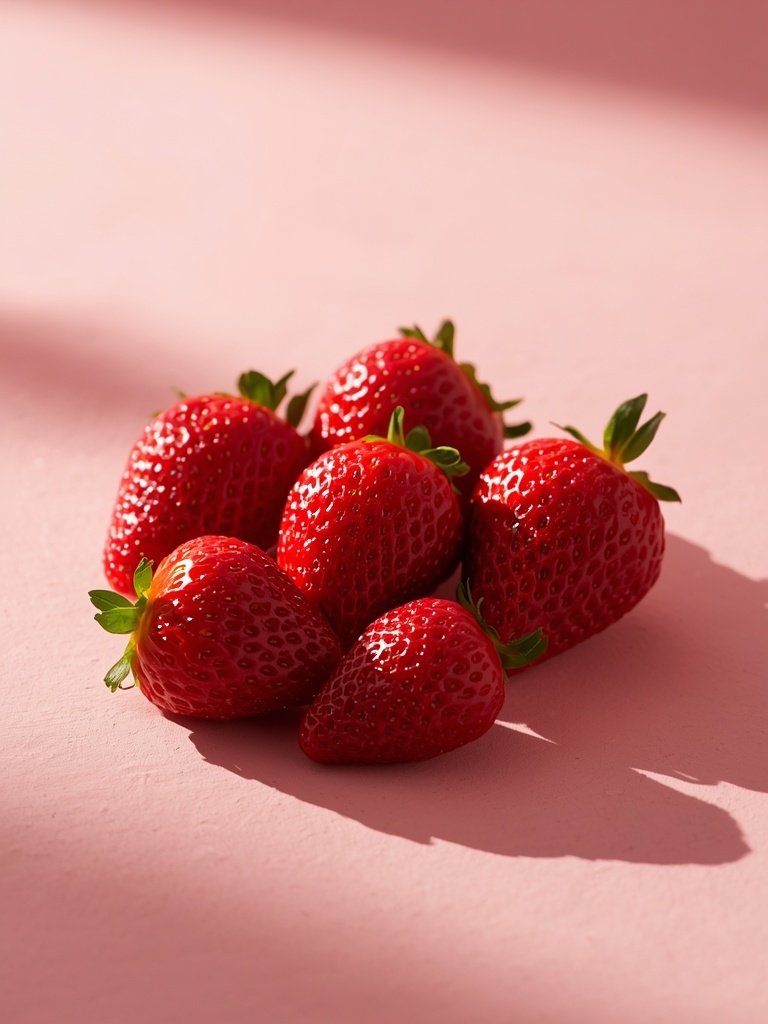
Table of Contents 2
Medical & Editorial Disclaimer (§3 Terms): This article is for informational and educational purposes only, does not constitute medical advice, diagnosis, or treatment, and is used at your own risk. Consult a qualified physician for medical conditions.
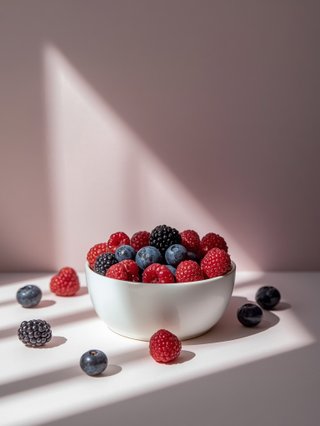
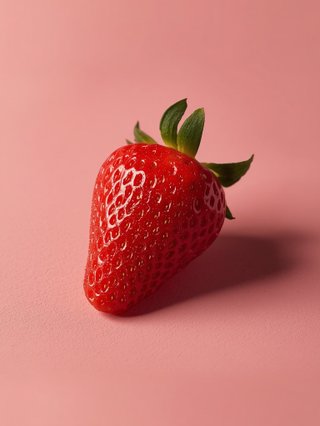
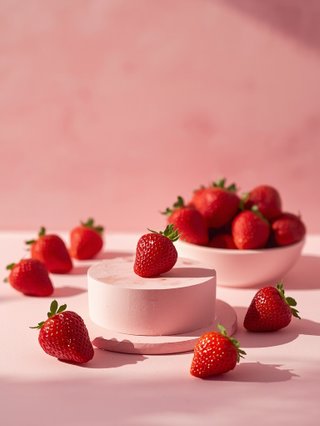
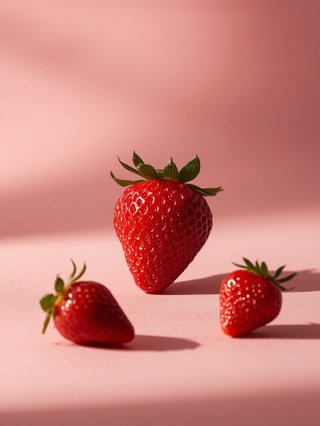
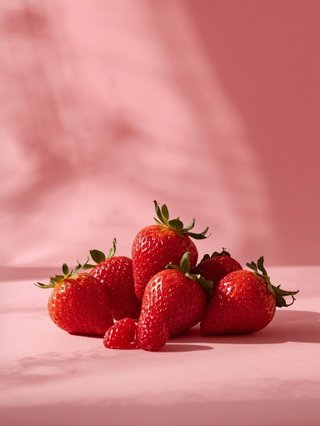
Exploring the biochemical profile of strawberries alongside related berries such as raspberries reveals a rich array of micronutrients and functional compounds. Strawberries provide retinoids that support normal visual acuity, ascorbic acid known for its protective cellular properties, and tocopherol, an antioxidant form of vitamin E that helps counteract oxidative and degenerative processes. Furthermore, they supply essential B-complex vitamins—including thiamine, riboflavin, niacin, and pyridoxine—which contribute to mental equilibrium and metabolic efficiency. Complementing these vitamins, the pectins and natural diuretic properties found in berries support digestive comfort, healthy fluid balance, and cardiovascular wellness when integrated into weight management routines.
To maximize the dietary benefits of strawberries and other berries, it is advisable to consume them fresh and unrefined, avoiding added sugars or heavy toppings that alter their naturally low energy density. Incorporating whole berries into daily meals offers a simple way to boost micronutrient intake and support metabolic vitality. Individuals introducing strawberries into their diet or skincare regimen should remain attentive to personal tolerance levels to ensure safe and sustainable enjoyment.
The valuable properties of raspberries
What vitamins do strawberries contain?
Want to apply these guidelines in your daily diet?
Our smart diet generator creates a tailored meal plan in 3 minutes based on the recommendations in this article.

mgr Max Müller
• 25.11.2026Diets Premium Expert
Diets Premium team expert. Specializes in nutrition plans, strength sports, and training plans.