Gaucherr Disease - understanding the disorder, symptoms, diagnosis, treatment


Table of Contents 14
Medical & Editorial Disclaimer (§3 Terms): This article is for informational and educational purposes only, does not constitute medical advice, diagnosis, or treatment, and is used at your own risk. Consult a qualified physician for medical conditions.
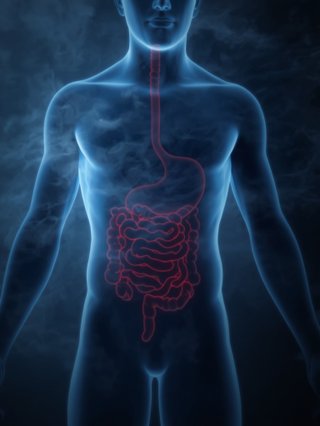
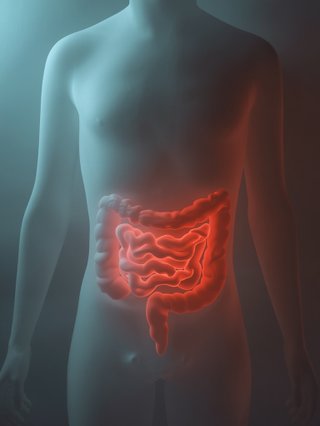
At the physiological level, the condition stems from a genetic mutation that impairs the enzyme glucocerebrosidase, leading to the accumulation of fatty glucocerebrosides within cells of the liver, spleen, and bone marrow. Clinical presentations are categorized into distinct variants ranging from a prevalent non-neurological form marked by liver and spleen enlargement, anemia, and skeletal fragility, to acute infantile and chronic adolescent neuropathic forms that progressively affect the nervous system. While laboratory assessment of enzyme activity guides primary medical interventions such as enzyme replacement therapy and substrate reduction therapy, tailored clinical nutrition serves an important complementary role in supporting bone mineralization, blood formation, lipid regulation, and insulin sensitivity.
Practical dietary management centers on regular, balanced meals that provide lean animal and plant proteins from poultry, fish, lean beef, lentils, beans, tofu, and nuts to aid tissue regeneration and organ function. To support the skeletal system against osteopenia and osteoporosis, patients can incorporate calcium-rich dairy products, leafy greens, and vitamin D sources like fatty sea fish, eggs, and mushrooms, while pairing iron-dense foods such as spinach, pumpkin seeds, and lean meats with vitamin C from bell peppers, citrus fruits, kiwi, and parsley helps support hematological health alongside folate and cobalamin sources. Emphasizing whole-grain fiber, unsaturated fats from avocados and vegetable oils, and antioxidant-rich berries, green tea, and spices while limiting saturated fats and simple sugars offers a constructive nutritional foundation that should always be personalized in consultation with a treating physician or clinical dietitian to complement medical therapy.
This article is professional premium content (PRO) provided in its entirety.
What is Gaucher's disease?
Variants of Gaucher's affliction
Type 1 (non-neurological condition)
Type 2 (neuropathic spleen, infant)
Type 3 (chronic neuropathic form, adolescent)
Identifying Procedures for Gaucher's Disease
Therapeutic interventions for managing Gaucher's disease
The role of nutrition in the treatment of Gaucher's disease – guidelines
"Nutritional guidelines for individuals with Gaucher's disease"
Tending to the bone system
Diet abundant in iron
The appropriate amount of protein in the diet
A diet rich in fiber and full-grain products
Potential of an anti-inflammatory diet
Want to apply these guidelines in your daily diet?
Our smart diet generator creates a tailored meal plan in 3 minutes based on the recommendations in this article.
Tags

mgr Barbato A. et al., Imiglucerase, cholecalciferol, and bone-diet in skeletal health management of type I Gaucher disease patients: a pilot study and systematic review, „JBMR Plus” 2024, 8(8), epub. Carubbi F. et al., Nutrition in adult patients with selected lysosomal storage diseases, „Nutrition, Metabolism and Cardiovascular Diseases” 2021, 31(3), 733–744. Hughes D.A., Pastores G.M., Gaucher Disease, „GeneReviews” 2023, 1–34. Niedokrwistość – zalecenia i jadłospis, ncez.pzh.gov.pl/choroba-a-dieta/choroby-ukladu-krazenia/niedokrwistosc-zalecenia-i-jadlospis/ (11.01.2025). Stirnemann J. et al., A Review of Gaucher Disease Pathophysiology, Clinical Presentation and Treatments, „International Journal of Molecular Sciences” 2017, 18(2), 441. Weinreb N.J. et al., The diagnosis and management of Gaucher disease in pediatric patients: Where do we go from here?, „Molecular Genetics and Metabolism” 2022, 136(1), 4–21.
Diets Premium Expert
Diets Premium team expert. Specializes in nutrition plans, strength sports, and training plans.