Baking and brewing yeasts – comparison of characteristics and properties
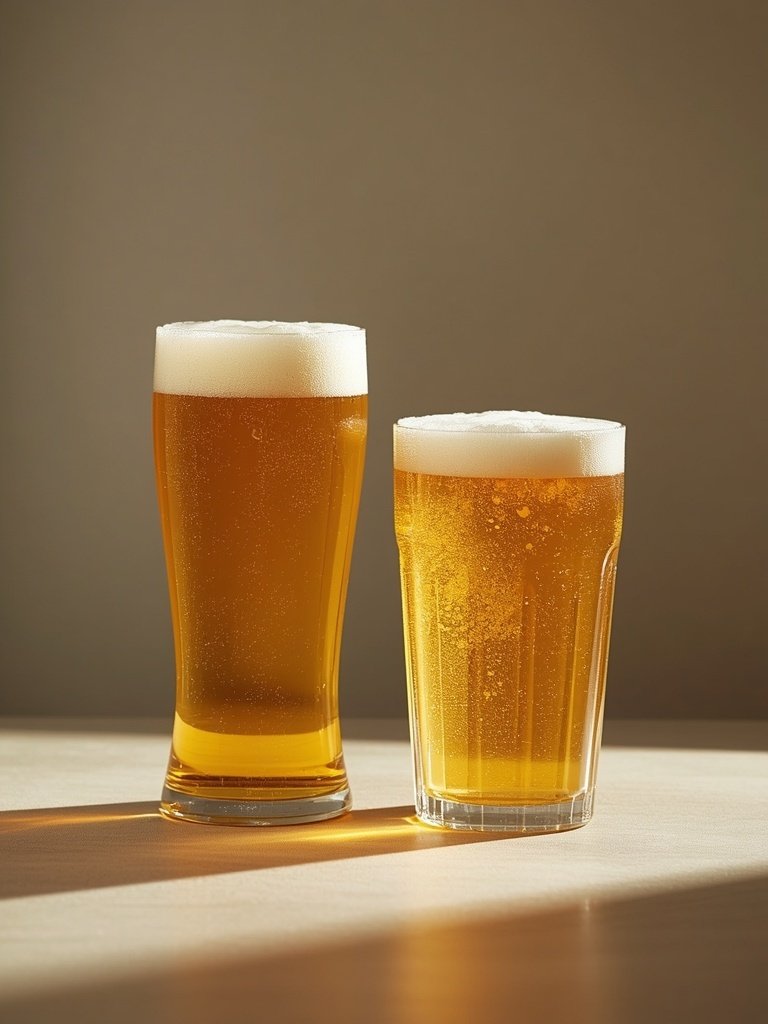
Table of Contents 3
Medical & Editorial Disclaimer (§3 Terms): This article is for informational and educational purposes only, does not constitute medical advice, diagnosis, or treatment, and is used at your own risk. Consult a qualified physician for medical conditions.
Although both varieties belong to the same biological species, they diverge significantly in their biochemical roles and functional applications. Food and baker's yeast are widely utilized in culinary preparations, cosmetic formulations, and immune system modulation. In contrast, brewer's yeast is specifically employed to drive the alcoholic fermentation of wort derived from water, malted barley, and hops. Following this process, the nutrient-dense yeast biomass offers valuable support for cellular health and general vitality.
In practical terms, these products are available in diverse forms, including freeze-dried powders, compressed blocks, and convenient oral tablets. Neither form is universally superior, as the optimal choice depends entirely on individual preferences and intended uses. Incorporating appropriate yeast preparations into a daily routine can serve as a beneficial complement to a balanced diet and an active lifestyle.
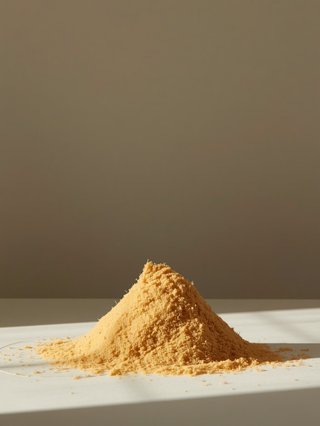
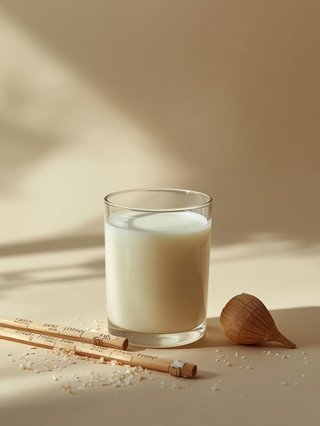
Baker’s and nutritional yeast: Multifunctional single-celled organisms in food production, cosmetic applications, and immune modulation
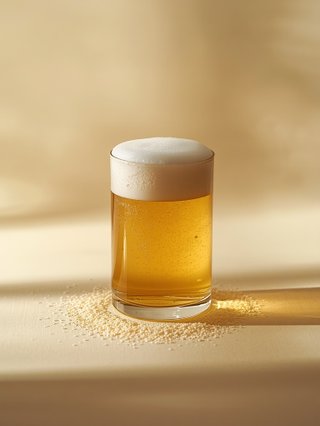
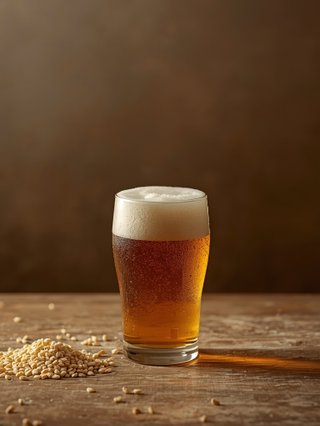
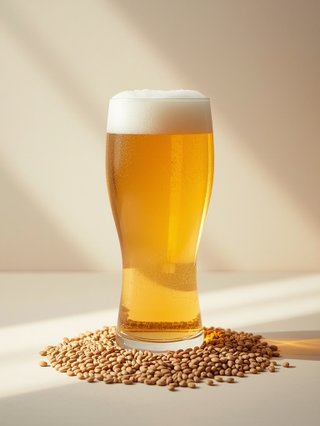
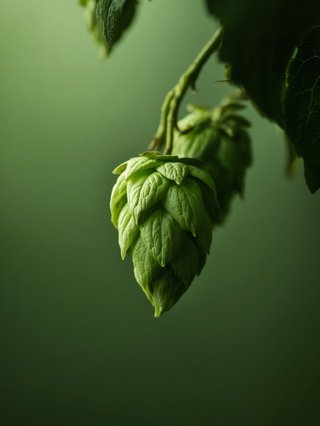
Brewer’s yeast (*Saccharomyces cerevisiae*): Functional properties, role in beer fermentation, and concentrated nutritional supplementation
Baker’s Yeast vs. Brewer’s Yeast: A Comparative Analysis of Forms, Benefits, and Practical Applications
Want to apply these guidelines in your daily diet?
Our smart diet generator creates a tailored meal plan in 3 minutes based on the recommendations in this article.

Laura Schneider
• 25.09.2026Diets Premium Expert
Diets Premium team expert. Specializes in nutrition plans, strength sports, and training plans.