Gastric mucosal erosive gastritis – etiology, endoscopic diagnosis, and principles of mucosal healing diet

Table of Contents 3
Medical & Editorial Disclaimer (§3 Terms): This article is for informational and educational purposes only, does not constitute medical advice, diagnosis, or treatment, and is used at your own risk. Consult a qualified physician for medical conditions.
The article explores the physiological balance between aggressive luminal factors, such as hydrochloric acid and pepsin, and endogenous mucosal defenses including the mucus-bicarbonate barrier, local microcirculation, and cytoprotective prostaglandins. It examines how non-steroidal anti-inflammatory drugs inhibit cyclooxygenase pathways to deplete protective prostaglandins, while concentrated ethanol dissolves hydrophobic surface lipids and induces ischemic microvascular injury, alongside the roles of duodenogastric bile reflux and bacterial factors. Furthermore, the clinical discussion highlights targeted nutraceuticals that support epithelial turnover, including zinc carnosine for selective adherence to inflamed tissue and upregulation of vascular endothelial growth factor and heat shock proteins, L-glutamine as a primary oxidative fuel for mucosal cells, and sea buckthorn berry oil rich in palmitoleic acid to aid tissue repair.
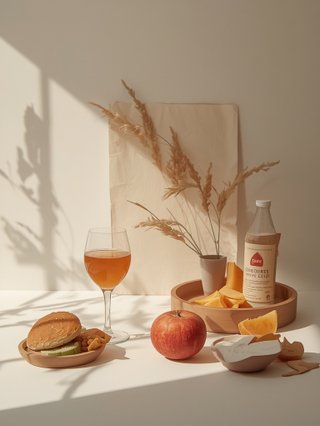
Practical dietary guidelines and daily dietary habits focus on gentle mechanical and thermal preparation to minimize gastric irritation. Incorporating botanical mucilages such as flaxseed decoctions, psyllium seed gel, and marshmallow root extracts can help form a soothing physical barrier over exposed mucosal surfaces. Meals should rely on steaming, gentle boiling, or pureeing easily digestible carbohydrates like steamed kabocha pumpkin, and should always be consumed at a lukewarm temperature to avoid triggering thermal microvascular spasms in the healing stomach lining.
Erosive gastritis denotes mucosal disruption defined by superficial epithelial defects that do not penetrate the muscularis mucosae. Prompt endoscopic identification and aggressive implementation of a non-irritating, mucosal-coating dietary regimen prevents transition into deep peptic ulcers and gastrointestinal hemorrhage.
Etiological Drivers: NSAID Toxicity, Ethanol-Induced Ischemia, Bile Reflux, and H. Pylori
Erosions develop when aggressive luminal factors (hydrochloric acid, pepsin) overwhelm endogenous mucosal defenses (mucus-bicarbonate barrier, mucosal microcirculation, and prostaglandin E2):
- Non-Steroidal Anti-Inflammatory Drugs (NSAIDs): Inhibit cyclooxygenase-1 (COX-1), obliterating cytoprotective prostaglandin synthesis;
- Concentrated ethanol: Chemically dissolves hydrophobic mucosal surface lipids, inducing acute ischemic microvascular injury and focal petechiae;
- Duodenogastric bile reflux: Retrograde passage of bile acids and lysolecithin acts as an organic detergent, stripping surface epithelial phospholipids.
Mucosal Healing Diet: Epithelial-Coating Staples, Thermal Kinetics, and Gentle Cooking
Dietary management in erosive gastritis prioritizes active cytoprotection and tissue repair:
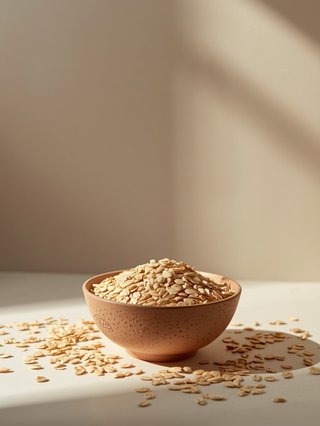
- Botanical mucilages: Flaxseed decoctions, psyllium seed gel, and marshmallow root extracts create an expansive physical polymer barrier over exposed erosions;
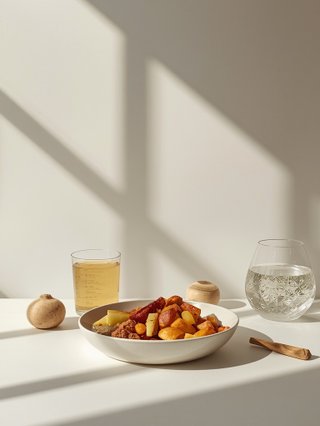
- Thermal and mechanical preparation: Cooking methods strictly limited to steaming, gentle boiling, or pureeing; meal temperatures must be strictly lukewarm to avoid thermal microvascular spasms;
- Easily digestible carbohydrates: Steamed kabocha pumpkin, pureed carrots, mashed potatoes, and peeled zucchini; complete elimination of cruciferous, allium, and raw pulse vegetables during acute healing.
Nutraceutical Epithelial Accelerators: Zinc Carnosine, L-Glutamine, and Sea Buckthorn Oil
Advanced clinical nutrition incorporates evidence-based nutraceuticals that accelerate gastric re-epithelialization:
Zinc-carnosine (polaprezinc) selectively adheres to inflammatory ulcerated lesions, upregulating local vascular endothelial growth factor (VEGF) and endogenous heat shock proteins. L-glutamine provides primary oxidative fuel for mucosal turnover, while sea buckthorn berry oil (rich in rare omega-7 palmitoleic acid) markedly accelerates epithelial tissue repair.
Want to apply these guidelines in your daily diet?
Our smart diet generator creates a tailored meal plan in 3 minutes based on the recommendations in this article.

mgr Max Müller
• 23.10.2026Diets Premium Expert
Diets Premium team expert. Specializes in nutrition plans, strength sports, and training plans.