Does turmeric aid in weight loss? An analysis of the effectiveness of supplementation in capsule form and its potential metabolic benefits
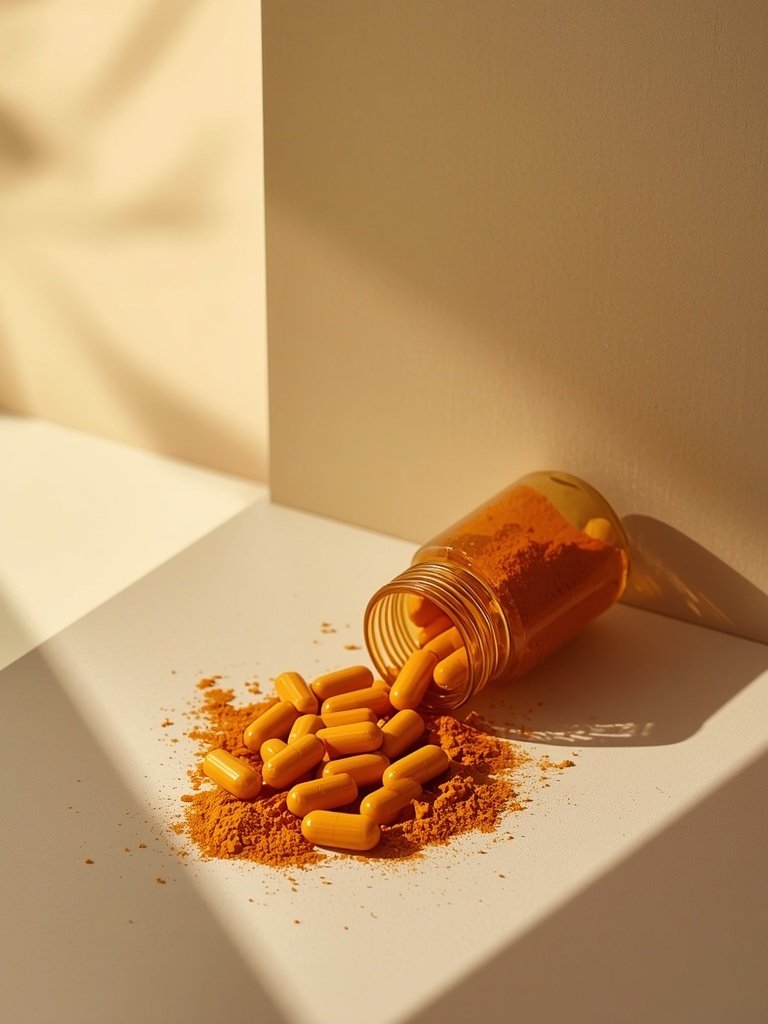
Table of Contents 5
Medical & Editorial Disclaimer (§3 Terms): This article is for informational and educational purposes only, does not constitute medical advice, diagnosis, or treatment, and is used at your own risk. Consult a qualified physician for medical conditions.
From a physiological standpoint, curcumin influences key cellular pathways involved in fat tissue regulation and energy metabolism. The article outlines how this botanical compound downregulates pathways responsible for mature fat cell development while activating central cellular energy sensors that promote fatty acid oxidation. Because native curcumin suffers from low gastrointestinal absorption and rapid clearance, the text thoroughly examines advanced formulation technologies—such as piperine co-administration, phospholipid phytosomes, and micellar structures—that significantly enhance systemic bioavailability and tissue uptake.
Practical implementation requires careful attention to supplement quality, standardization, and safe consumption practices alongside fat-containing meals. While standardized curcumin capsules serve as an evidence-based adjunctive tool to optimize metabolic parameters and support healthy body composition, they cannot replace a proper caloric deficit and consistent physical exercise. Individuals with biliary tract conditions or those utilizing anticoagulant therapies must consult a qualified healthcare professional prior to supplementation to ensure safe integration into their daily wellness routine.
Turmeric (Curcuma longa)—the golden-yellow rhizome prized for its distinctive earthy aroma—has formed a cornerstone of traditional Ayurvedic medicine for millennia. Its primary bioactive constituent is curcumin, a polyphenol with substantiated anti-inflammatory, antioxidant, and metabolic-modulating properties. Modern nutritional science increasingly evaluates curcumin's therapeutic role in facilitating visceral adipose tissue reduction and improving peripheral insulin sensitivity.
Botanical characteristics and phytochemical profile of Curcuma longa
Turmeric belongs to the ginger family (Zingiberaceae). The primary commercial and medicinal component is the dried rhizome, rich in curcuminoids (curcumin, demethoxycurcumin, and bisdemethoxycurcumin) as well as essential volatile oils containing turmerone, atlantone, and zingiberene. Curcumin accounts for approximately 3–5% of the raw dried rhizome by weight, imparting its vibrant yellow hue and pharmacological efficacy.
Metabolic mechanisms: impact of curcumin on adipogenesis and thermogenesis
Preclinical and human clinical trials demonstrate that curcumin downregulates preadipocyte differentiation into mature fat cells by repressing the transcription factors PPAR-gamma and C/EBP-alpha. Furthermore, curcumin activates AMP-activated protein kinase (AMPK)—a central cellular energy sensor that promotes mitochondrial fatty acid beta-oxidation and stimulates brown adipose tissue (BAT) thermogenesis. It also markedly suppresses inflammatory cytokines (TNF-alpha, IL-6), diminishing systemic low-grade inflammation associated with obesity.
Turmeric capsules: bioavailability challenges and advanced formulations
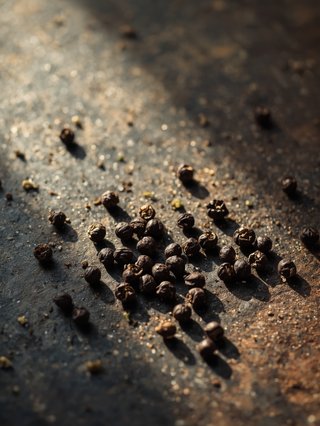
The chief hurdle with culinary turmeric consumption is its poor native bioavailability—curcumin is hydrophobic, poorly absorbed in the gastrointestinal tract, and rapidly glucuronidated in the liver before systemic circulation. Standardized extract capsules circumvent this limitation. Combining curcumin with piperine (black pepper extract) inhibits hepatic glucuronidation, amplifying bioavailability by up to 2000%. Modern phytosomal (phospholipid complexes) and micellar nanoparticle formulations further maximize cellular uptake.
Optimal curcumin dosing protocols and safety considerations
Clinically effective dosages of standardized curcuminoid extracts generally range from 500 to 1500 mg daily, divided into two doses consumed with fat-containing meals. Due to potent cholagogic properties, high-dose curcumin is contraindicated in patients with biliary tract obstruction or active gallstones. Furthermore, individuals taking anticoagulant medications or oral hypoglycemic agents should seek medical guidance, as curcumin can mildly augment bleeding time and insulin sensitivity.
Quality criteria for choosing turmeric supplements and summary
When selecting a dietary supplement, verify that the label specifies standardization to 95% total curcuminoids and confirms third-party batch testing for heavy metals and solvent residues. Turmeric cannot substitute for a caloric deficit or progressive exercise, but it serves as an evidence-based adjunctive tool to optimize metabolic parameters, attenuate exercise-induced muscle soreness, and support sustainable body composition improvements.
Want to apply these guidelines in your daily diet?
Our smart diet generator creates a tailored meal plan in 3 minutes based on the recommendations in this article.
Tags

Kacper Nowak
• 23.10.2026Diets Premium Expert
Diets Premium team expert. Specializes in nutrition plans, strength sports, and training plans.