Various varieties of peas and their nutritional properties – a practical guide to preparing and using them in the kitchen
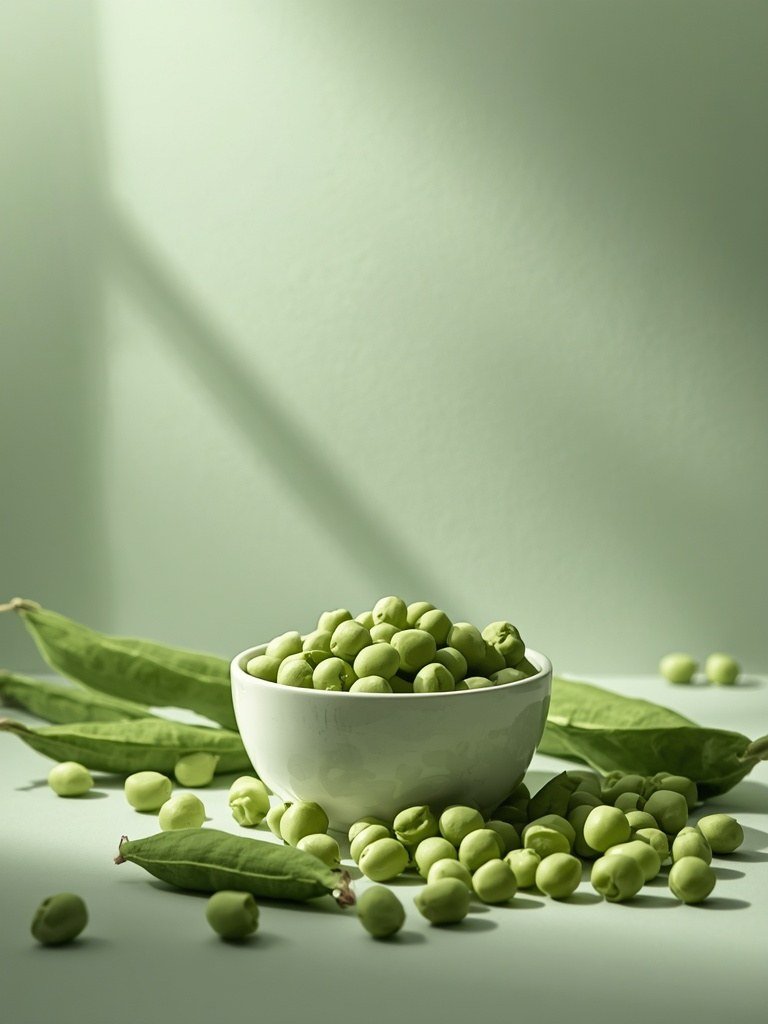
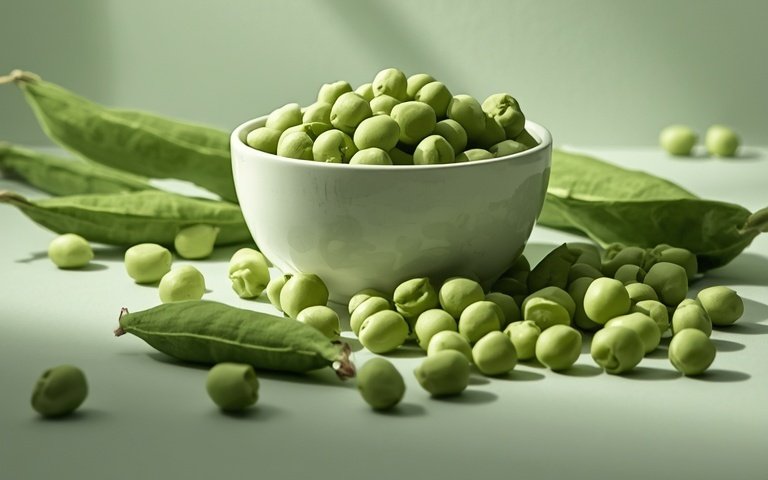
Table of Contents 4
Medical & Editorial Disclaimer (§3 Terms): This article is for informational and educational purposes only, does not constitute medical advice, diagnosis, or treatment, and is used at your own risk. Consult a qualified physician for medical conditions.
The article delves into major pea varieties, including split dry peas, snow peas, and marrowfat peas, detailing their botanical characteristics and culinary applications. Peas provide an abundance of prebiotic fiber and resistant starch, which foster gut health and support the production of short-chain fatty acids. Furthermore, the high quality of pea protein is highlighted, being rich in branched-chain amino acids and offering a hypoallergenic alternative to other protein sources.
For daily cooking, this means that peas can be optimally prepared through targeted soaking, especially for whole dry peas, and the use of carminative herbs like marjoram or caraway. This not only improves digestibility but also maximizes the bioavailability of valuable nutrients. Peas are thus a versatile and nutritious addition to a plant-based diet, contributing to cardiovascular health and stable blood sugar levels.
Field pea (Pisum sativum) stands as one of the oldest and nutritionally richest legumes in agricultural history. It serves as an outstanding source of dietary plant protein, complex low-glycemic carbohydrates, resistant starch, B-complex vitamins, and essential minerals including iron, phosphorus, magnesium, and potassium. Meticulous culinary preparation neutralizes antinutrients and optimizes bioavailability for superior gastrointestinal tolerance.
Major pea varieties and their botanical characteristics
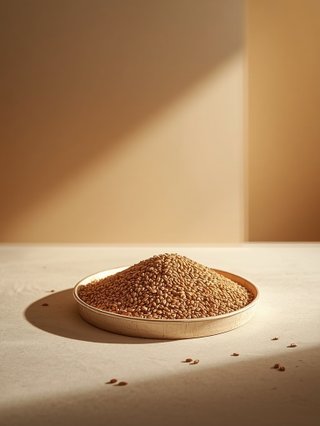
Prominent commercial cultivars include smooth dry field peas (split green and yellow varieties), sweet snow peas and snap peas consumed pods-and-all, and marrowfat peas. Split peas have had their outer fibrous hull mechanically removed, drastically reducing cooking time and yielding velvety purees or classic thick soups. Green peas offer higher chlorophyll concentrations and a milder, sweeter note, whereas yellow split peas possess an earthier, starchier body suited for hearty stews.
Nutritional profile, prebiotic fiber, and clinical health benefits
Dry peas provide approximately 24–25 g of protein and over 15 g of dietary fiber per 100 g, rich in resistant starch and soluble hemicelluloses. This prebiotic matrix is fermented by the colonic microbiome into short-chain fatty acids (SCFAs, predominantly butyrate), nourishing colonocytes and fortifying gut epithelial integrity. Regular dietary incorporation lowers serum LDL cholesterol, blunts postprandial glucose curves, and supports long-term cardiometabolic health.
Pea protein: amino acid scoring, digestibility, and hypoallergenic quality
Pea protein isolate (PPI) has attained benchmark status in sports nutrition and clinical dietetics. It features an abundant concentration of branched-chain amino acids (BCAA: leucine, isoleucine, valine), lysine, and arginine—a key precursor for nitric oxide synthesis. Unlike soy or wheat gluten, pea protein is naturally hypoallergenic and highly digestible. Complementing pea protein with cereal grains (such as rice protein) establishes a complete amino acid profile rivaling dairy whey.
Soaking, cooking techniques, and reduction of flatulence-inducing oligosaccharides
Gastrointestinal bloating linked to legumes stems from alpha-galactooligosaccharides (raffinose and stachyose), which resist small-intestinal digestion and undergo colonic fermentation. To degrade these antinutrients, whole dry peas should be soaked in fresh water for 8–12 hours before discarding the soaking liquid entirely. Split peas require minimal soaking. Cooking with carminative herbs and spices (marjoram, caraway, savory, bay leaves, or ginger) substantially prevents gas accumulation and enhances digestive comfort.
Want to apply these guidelines in your daily diet?
Our smart diet generator creates a tailored meal plan in 3 minutes based on the recommendations in this article.
Tags

mgr Emilia Szymańska
• 23.10.2026Diets Premium Expert
Diets Premium team expert. Specializes in nutrition plans, strength sports, and training plans.