Unique features of the human body structure influence fat accumulation
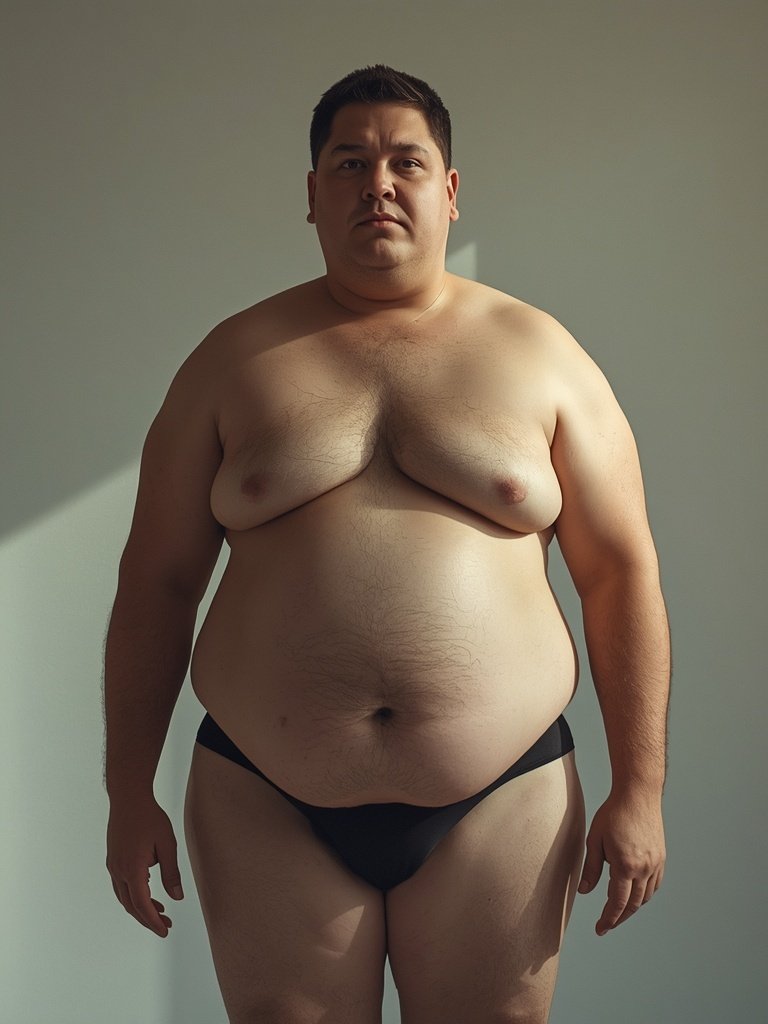
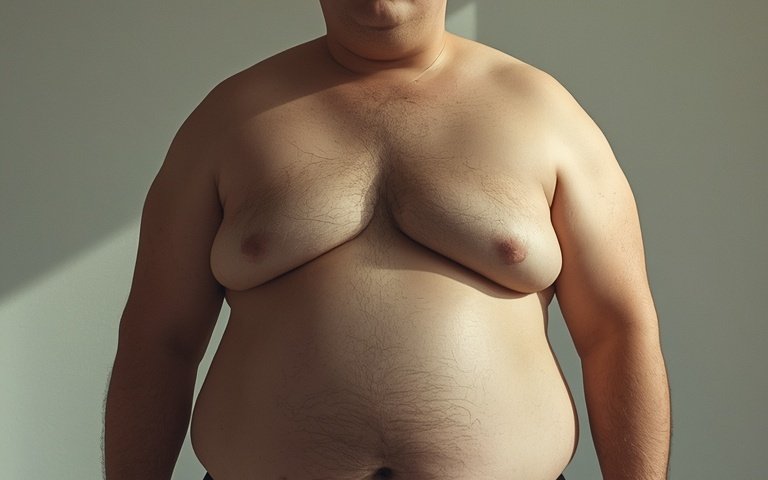
Table of Contents 4
Medical & Editorial Disclaimer (§3 Terms): This article is for informational and educational purposes only, does not constitute medical advice, diagnosis, or treatment, and is used at your own risk. Consult a qualified physician for medical conditions.
From a physiological standpoint, constitutional body types dictate core metabolic dynamics, including peripheral insulin sensitivity and basal energy turnover. Leaner phenotypes frequently demonstrate elevated spontaneous physical activity and rapid nutrient utilization, whereas denser or more endomorphic structures tend to display lower insulin sensitivity and an enhanced efficiency in lipogenesis. Importantly, exercise science reveals that morphology is not a static biological fate; progressive resistance training activates cellular glucose transporters independently of somatic starting points, improving muscle tissue quality and supporting optimal adipose distribution.
Practical application relies on tailoring macronutrient intake and movement routines to align with individual somatic responses. While highly active, slender builds often thrive with robust allocations of complex carbohydrates to sustain energy and muscle tissue, physiques prone to central storage benefit from prioritizing nutrient-dense proteins and healthy fatty acids to bolster metabolic balance. Combining targeted physical conditioning with personalized dietary habits empowers individuals to navigate genetic predispositions, optimizing body composition and long-term vitality.
A Systematic Framework for Human Somatotypes: Morphological Body Classification Based on Sheldon’s and Kretschmer’s Theories
The interrelation between somatic constitution and disease susceptibility: a constitutional framework
Somatotype and Dietary Personalization: Macronutrient Optimization for Ectomorphs, Mesomorphs, and Endomorphs
Variations in constitutional somatotype dictate distinct resting metabolic rates, carbohydrate tolerances, and peripheral insulin sensitivities. The ectomorphic phenotype, endowed with high spontaneous physical activity (NEAT) and rapid caloric turnover, thrives on higher carbohydrate allocations (50–60% of total energy) alongside an aggressive caloric surplus to sustain muscular anabolism.
Conversely, endomorphic individuals typically display blunted insulin sensitivity and enhanced lipogenic efficiency, benefiting clinically from a lower-carbohydrate paradigm emphasizing healthy monounsaturated and polyunsaturated fats alongside elevated protein density (1.8–2.2 g/kg) to stabilize satiety and downregulate hunger hormones. Mesomorphs maintain high metabolic flexibility and neuromuscular recovery, thriving on an equicaloric distribution (approximately 40% carbohydrates, 30% protein, 30% lipids) supporting body recomposition and lean mass accretion.
Overcoming Genetic Predispositions: The Interplay of Resistance Training and Body Composition
While somatic typology possesses clear polygenic underpinnings, exercise physiology confirms that constitutional morphology is not a static biological destiny. Progressive resistance training represents the most potent epigenetic modulator of body composition, upregulating musculoskeletal GLUT-4 translocation independently of baseline somatotype.
In endomorphic subjects, increasing skeletal muscle mass permanently elevates basal metabolic rate and mitigates visceral adiposity by enhancing whole-body insulin sensitivity. In ectomorphs, structured hypertrophy training with strict volume periodization circumvents chronic muscular catabolism. Aligning physical protocols with individual morphology empowers sustainable progress rather than genetic frustration.
Want to apply these guidelines in your daily diet?
Our smart diet generator creates a tailored meal plan in 3 minutes based on the recommendations in this article.

mgr Felix Weber
• 24.09.2026Diets Premium Expert
Diets Premium team expert. Specializes in nutrition plans, strength sports, and training plans.