Iron deficiency in the children's diet – mechanisms of development, warning signs, and nutritional strategies supporting optimal intake of this key micronutrient

Table of Contents 3
Medical & Editorial Disclaimer (§3 Terms): This article is for informational and educational purposes only, does not constitute medical advice, diagnosis, or treatment, and is used at your own risk. Consult a qualified physician for medical conditions.
The clinical etiology of pediatric deficiency primarily stems from inadequate dietary intake or impaired intestinal absorption. Beyond its role in expansive erythropoiesis, elemental iron is required for oligodendrocyte myelination and functions as an obligate cofactor for tyrosine hydroxylase, directly influencing dopaminergic and serotonergic neurotransmitter pathways during critical windows of brain plasticity. Consequently, deficiency develops insidiously, and its latent pre-anemic stage can disrupt neurodevelopment, manifesting as altered sleep architecture, hyper-irritability, and developmental delays in infants, or reduced attention span in school-aged children. From a biochemical perspective, dietary sources provide either heme iron from animal tissues, which is absorbed intact with superior efficiency largely independent of meal chemistry, or non-heme iron from plant matrices.
Establishing a resilient nutritional strategy involves integrating diverse, mineral-rich foods into daily meals while utilizing food pairings that support intestinal uptake. Valuable animal-derived sources of heme iron include lean beef, turkey, rabbit, poultry and calf liver, marine fish, and whole eggs. Complementing these with plant-based non-heme sources such as legumes, buckwheat, millet, rolled oats, pumpkin seeds, cashew nuts, dried apricots, and parsley ensures a broad spectrum of micronutrients. By thoughtfully combining these wholesome ingredients with dietary enhancers of bioavailability, parents can effectively support healthy metabolic function and steady pediatric growth.
Iron constitutes an indispensable component in the developmental and metabolic processes of a child’s body, serving as a critical constituent of hemoglobin—the protein tasked with oxygen delivery to tissues. The body’s reserves of this trace mineral, stored as compounds such as ferritin (in the liver and spleen) and hemosiderin (in bone marrow), act as a safeguard during periods of elevated demand. Persistent or untreated iron deficiency may precipitate severe complications, including cognitive impairment and compromised immune function. Consequently, the deliberate design of a child’s diet—prioritizing iron-rich foods and enhancing their absorption through strategic nutrient pairings—represents a cornerstone of preventive and corrective nutritional strategies.
Pediatric Iron Deficiency: Underlying Etiologies and Risk Factors
Iron is an indispensable trace mineral throughout pediatric growth, required for expansive erythropoiesis, oligodendrocyte myelination, and monoaminergic neurotransmitter synthesis. Scaled to body weight, infants and toddlers display higher daily iron requirements than adults, rendering the pediatric demographic uniquely vulnerable to negative iron balance. The clinical etiology of pediatric iron deficiency converges on three primary mechanisms: insufficient nutritional intake, intestinal malabsorption, and pathological blood loss.
Nutritional inadequacy predominantly arises during weaning, caused by delayed introduction of iron-dense complementary foods or excessive consumption of unfortified cow's milk exceeding 500 ml daily. Cow's milk not only displaces bioavailable solids from the diet, but its high calcium and casein concentrations actively inhibit divalent metal transporter-1 (DMT-1) iron uptake. In susceptible infants, intact bovine proteins provoke subclinical intestinal mucosal inflammation with occult micro-hemorrhages (milk anemia). Additional malabsorptive drivers include celiac sprue, non-IgE-mediated cow's milk enteropathies, and parasitic infestations (such as Giardia duodenalis).
Clinical Signs and Pediatric Symptoms of Iron Deficiency
Iron deficiency in children develops insidiously; its latent pre-anemic phase predominantly impairs neurodevelopment and cognitive function. Because elemental iron serves as an obligate cofactor for tyrosine hydroxylase, deficiency deranges dopaminergic and serotonergic pathways during critical windows of brain plasticity. In infants, this manifests as developmental delay, altered sleep architecture, and hyper-irritability. Toddlers and school-aged children exhibit reduced attention span, cognitive fatigue, emotional lability, and classic pica (pathological cravings for non-nutritive substances like clay, dirt, or ice).
With progressive depletion of cellular iron stores, frank microcytic hypochromic anemia develops. Children present with notable mucocutaneous pallor—most prominently visible on the conjunctivae, oral mucosa, and palmar creases. Physical signs encompass exertional fatigue, reduced aerobic stamina, compensatory resting tachycardia, and frequent cephalalgia. Examination typically reveals angular cheilitis, atrophic glossitis, diffuse xerosis, brittle hair, and spoon-shaped fingernails (koilonychia). Crucially, iron-deficient children suffer impaired leukocyte bactericidal capacity, resulting in recurrent upper respiratory tract infections.
Iron-Rich Pediatric Diet: Heme and Non-Heme Sources and Bioavailability Modulators
Dietary iron exists in two distinct biochemical forms: heme iron (Fe²⁺) and non-heme iron (Fe³⁺). Heme iron, provided by animal tissues (poultry and calf liver, lean beef, turkey, rabbit, marine fish, and whole eggs), exhibits superior bioavailability of 15% to 35%, absorbed intact via heme carrier protein-1 independently of meal luminal chemistry. Conversely, non-heme iron derived from plant matrices (legumes, buckwheat, millet, rolled oats, pumpkin seeds, cashew nuts, dried apricots, and parsley) has a low baseline bioavailability of 2% to 8%, requiring luminal reduction prior to enterocyte uptake.
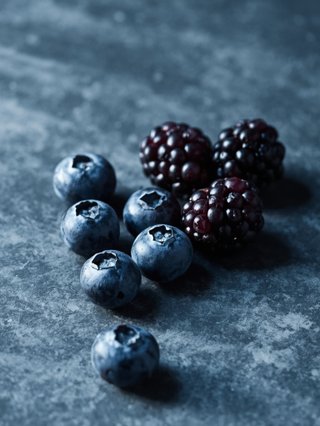
Optimizing pediatric iron status hinges upon strategically manipulating dietary absorption enhancers and inhibitors. Ascorbic acid (vitamin C) and organic acids from fresh produce (bell peppers, citrus fruits, berries) serve as potent enhancers, chelating ferric iron and keeping it soluble at duodenal pH, which can amplify non-heme absorption fourfold. Concurrently, parents must avoid co-administering potent inhibitors during iron-dense meals: phytic acid in unrefined grains (countered by soaking and sourdough fermentation), polyphenols and tannins in tea or cocoa, and high-dose calcium from dairy, which competitively antagonizes divalent metal transport across duodenal enterocytes.
Want to apply these guidelines in your daily diet?
Our smart diet generator creates a tailored meal plan in 3 minutes based on the recommendations in this article.
Tags

Kacper Nowak
• 25.11.2026Diets Premium Expert
Diets Premium team expert. Specializes in nutrition plans, strength sports, and training plans.