Diet and Tanning
1 photo
803
Smart Voice
AI
0:00
0:00
Listen to the article content live
Table of Contents 5
In the current times, smooth, radiant, and tanned skin is perceived not only as an indicator of good health but also as evidence of care in body maintenance. However, what imparts beauty to our complexion can be detrimental in excess.
01 / 05
The Impact of Diet on Tanning and Skin Protection
The tanning process is the skin's natural defense mechanism against ultraviolet (UV) radiation, during which melanocytes synthesize melanin. For this process to occur safely and impart a radiant, golden complexion without sunburn, internal nutritional support is essential. A well-balanced diet supplies antioxidants that neutralize sun-induced reactive oxygen species and essential fatty acids that reinforce the epidermal lipid barrier.
02 / 05
Substances that favorably influence skin condition and tan hue
It is advisable to provide an adequate amount of antioxidant compounds throughout the year, as they counterbalance the properties of free radicals that accelerate the skin's aging process.
03 / 05
Where can we locate natural antioxidants?
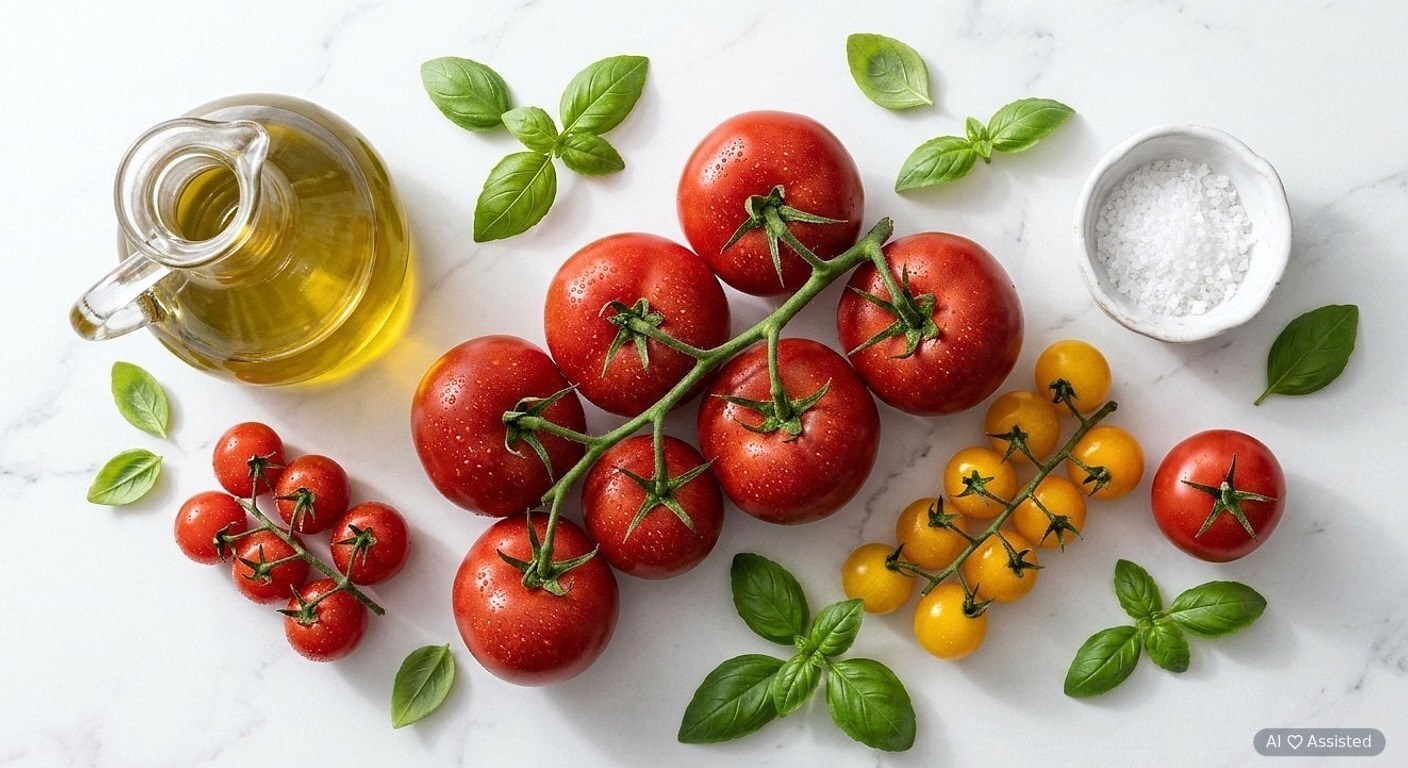
In addition, flavonoids can be found in cocoa, red wine, and green tea to provide better protection against harmful UV rays. The main sources of flavonoids in the diet are vegetables (chicory, cabbage, celery, onions, tomatoes, peppers, blueberries) and fruits (citrus, strawberries, apples, berries, grapes). Furthermore, carotenoids such as lycopene, beta-carotene, and lutein can be found in fresh fruits and vegetables. Lycopene is mainly found in tomatoes and their products. It also helps maintain a tan, protects the skin, and ensures a radiant complexion. A valuable source of beta-carotene is carrot, spinach, parsley, and cauliflower. On the other hand, lutein can be found in spinach. Beta-carotene is a precursor to vitamin A, which accelerates tanning and prolongs the duration of the tan. It also allows for an even brown skin tone without spots. Vitamin A is found in eggs, peppers, carrots, liver, among others. It protects skin cells, accelerates their regeneration, and stimulates the proper processes of new skin cell formation. It is a strong antioxidant that counteracts the effects of free radicals damaging the proper structure of the skin. It is also responsible for proper keratinization of the epidermis. It also reduces skin roughness by influencing the lipid and water metabolism of the skin. Another valuable vitamin for sunbathing enthusiasts is vitamin C. Similar to the previous vitamin, C is a strong antioxidant. Therefore, it protects against premature skin aging due to excessive sun exposure. It is essential for collagen synthesis, which provides the skin with elasticity and firmness. It mainly prevents wrinkle formation and ensures firm skin for a longer period. Vitamin C improves the condition of blood vessels, including small ones. Therefore, it counteracts bursting vessels often visible after prolonged sun exposure. It is worth mentioning that vitamin C improves skin tone and evens it out. Vitamin C can be found in peppers, papaya, cauliflower, Brussels sprouts, broccoli, currants, kiwi, strawberries, or citrus fruits. Vitamin E is also an excellent antioxidant. Similar to vitamins A and C, it protects skin cells from oxidative stress. It reduces redness caused by prolonged sun exposure, protects against dryness, and prevents inflammation. Moreover, it improves the quality of produced collagen and prevents skin discoloration and age spots. Vitamin E can be found in vegetable oils, nuts, sunflower seeds, pumpkin, as well as in peppers, spinach, and parsley. The next valuable component is vitamin B5, or pantothenic acid. It has moisturizing properties, reducing skin tension. It soothes irritations and accelerates wound and sunburn healing. It also prevents excessive keratinization of the epidermis. Valuable sources of vitamin B5 include meat, fatty fish, eggs, whole-grain products.
04 / 05
What else is essential to remember?
It is of utmost importance to adhere to the application of sunscreen with high UV protection during sunbathing.. Depending on the skin type, it is advisable to choose the appropriate cream, oil, or milk for sunbathing that provides the necessary protection.. It is essential to know that UV rays, which produce positive effects such as vitamin D synthesis and mood enhancement in our body, can lead to skin burns, strokes, or skin cancer when in excess.. Furthermore, it is of great importance to take care of proper hydration and regular water consumption.. One should drink water systematically, not just when feeling thirsty.. During heatwaves and sun exposure, it is necessary to increase the amount of water consumed by about 1 liter. Women should provide their body with about 3 liters of fluid (including water from food), and men about 3.5 liters.
05 / 05
Overview
Maintaining a proper diet all year round is crucial for protecting the skin both outside and inside, which will allow for a healthy and safe tanning without unwanted side effects. In Poland, the safe time for sunbathing is between 30 to 60 minutes, but this time depends on the individual's phototype. It is recommended to avoid sunbathing during the hours of the strongest sun activity and instead choose the morning or afternoon hours for a safe and long-lasting tan.
Meal Plan
Want to apply these guidelines in your daily diet?
Our smart diet generator creates a tailored meal plan in 3 minutes based on the recommendations in this article.

Scientifically reviewed by a clinical dietitian
• 17.03.2026
mgr Bajcer M. et al., Wpływ witamin na skórę i ich znaczenie w kosmetologii, „Studenckie Zeszyty Naukowe” 2016, 1(1), 28–46. Bojarowicz H., Płowiec A., Wpływ witaminy A na kondycję skóry, „Problemy Higieny i Epidemiologii” 2010, 91(3), 352–356. Ciborowska H., Rudnicka A., Dietetyka. Żywienie zdrowego i chorego człowieka, Warszawa 2007. Galus R. et al., Fotostarzenie się skóry, „Polski Merkuriusz Lekarski” 2007, 22(132), 580. Rożnowska K., Witaminy i biopierwiastki, Kraków 1996, 11.
Diets Premium Expert
Diets Premium team expert. Specializes in nutrition plans, strength sports, and training plans.
USDA FoodData Central
EFSA
PubMed Clinical Guidelines