Crispness and tradition in bread: which solution surpasses the other in terms of health and sensory experience?
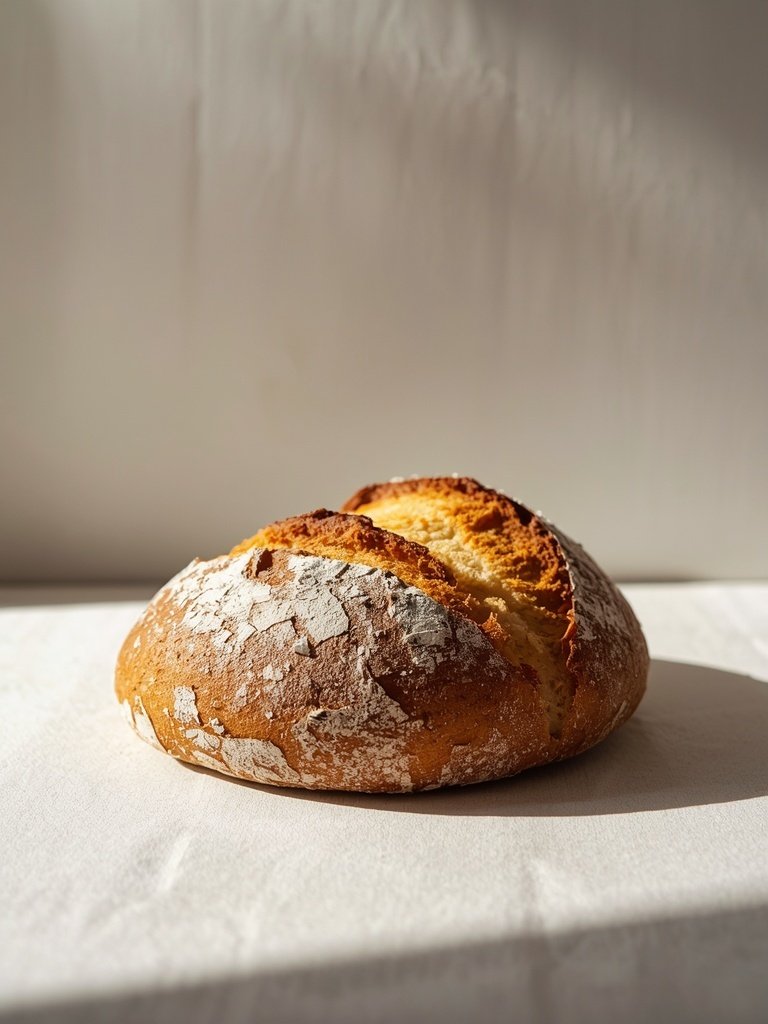
Table of Contents 3
Medical & Editorial Disclaimer (§3 Terms): This article is for informational and educational purposes only, does not constitute medical advice, diagnosis, or treatment, and is used at your own risk. Consult a qualified physician for medical conditions.
Physiologically, classic whole-grain rye sourdough bread offers superior nutritional advantages. The natural fermentation driven by lactic acid bacteria and wild yeasts lowers the dough pH, which activates phytase enzymes that break down phytic acid. This biochemical process dramatically enhances the intestinal bioavailability of essential minerals such as zinc, iron, magnesium, and calcium. Furthermore, organic acids produced during fermentation moderate the glycemic response and promote the formation of resistant starch, benefiting gut health. Conversely, the intense thermal processing of crispbread gelatinizes starch granules, which can lead to a faster glucose release. Due to its extremely low moisture content and reduced physical bulk, crispbread is chewed quickly, offering a weaker trigger for physiological satiety signals.
For optimal daily nutrition, fresh whole-grain sourdough bread serves best as a foundational dietary staple, delivering sustained appetite control and superior micronutrient delivery. Crispbread, with its long shelf life achieved without synthetic preservatives, remains a highly convenient backup for travel or precise portion management. Balancing these options based on daily lifestyle demands allows individuals to support stable energy levels, digestive wellness, and effective dietary consistency.
The nutritional value of bread is determined by grain processing methods and baking technology. Choosing between traditional sourdough bread and extruded crispbread profoundly impacts postprandial satiety, blood glucose dynamics, and micronutrient bioavailability. This evidence-based article systematically evaluates both bread varieties from nutritional and metabolic perspectives.
Extruded Crispbread – Processing, Dietary Advantages, and Limitations
Crispbread is commonly produced through high-temperature, high-pressure extrusion cooking. Its key benefits include very low moisture content (under 5%), ensuring extended shelf stability without synthetic preservatives. A single slice weighs only 7–10 grams and supplies roughly 25–35 kcal, making it practical for portion control. However, its caloric density per 100 grams exceeds 350 kcal, and thermal extrusion gelatinizes starch granules, which may elevate the glycemic index and shorten postprandial satiety.
Traditional Sourdough Rye Bread – Fermentation and Nutrient Bioavailability
Classic rye sourdough bread relies on the natural fermentation kinetics of lactic acid bacteria (LAB) and wild yeasts. Acidification of the dough below pH 4.5 activates cereal phytases, effectively degrading phytic acid complexes. Consequently, the intestinal bioavailability of essential divalent minerals—including zinc, iron, magnesium, and calcium—is substantially enhanced. Furthermore, lactic and acetic acids blunt acute glucose responses and foster resistant starch formation, nourishing gut microbiome flora.
Satiety Index, Glycemic Load, and Practical Choices for Weight Management
In dietary weight reduction protocols, the satiety index serves as a primary determinant of compliance. Two slices of whole-grain sourdough rye bread (approx. 70–80 g) provide roughly 160 kcal and 6–8 g of dietary fiber, maintaining satiety for 3–4 hours. An isocaloric serving of crispbread (approx. 5 slices) possesses smaller visual volume and is chewed rapidly, blunting physiological satiety signaling (CCK and GLP-1). Therefore, fresh whole-grain sourdough should form the daily staple, while crispbread serves as a practical, shelf-stable travel option.
Want to apply these guidelines in your daily diet?
Our smart diet generator creates a tailored meal plan in 3 minutes based on the recommendations in this article.

Mia Hoffmann
• 23.10.2026Diets Premium Expert
Diets Premium team expert. Specializes in nutrition plans, strength sports, and training plans.