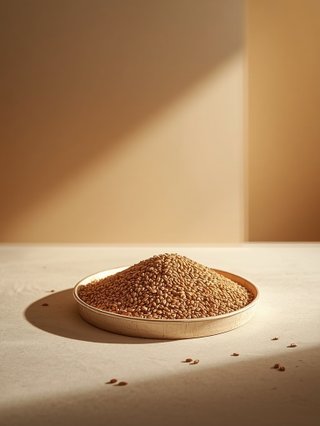
Creamy sesame tahini paste – health benefits, nutritional ingredients, and dietary use
Table of Contents 4
Medical & Editorial Disclaimer (§3 Terms): This article is for informational and educational purposes only, does not constitute medical advice, diagnosis, or treatment, and is used at your own risk. Consult a qualified physician for medical conditions.
The physiological profile of tahini features a harmonious blend of unsaturated fatty acids, distinct sesame lignans, and phytosterols. These bioactive compounds actively support cardiovascular health, promote healthy endothelial function, and contribute to maintaining balanced lipid levels as part of a wholesome lifestyle.
In everyday culinary practice, tahini offers endless versatility ranging from traditional hummus preparation to creamy dressings and wholesome dishes. Combining sesame paste with complementary plant foods helps achieve a balanced amino acid profile, enhancing the nutritional quality of everyday meals naturally.
Creamy tahini paste, crafted from lightly toasted and stone-ground sesame seeds (Sesamum indicum), is a nutritional cornerstone of Mediterranean, Middle Eastern, vegetarian, and vegan diets. Distinguished by its high concentration of non-heme iron, calcium, magnesium, and zinc, tahini plays a vital role in preventing micronutrient deficiencies among women of reproductive age and individuals excluding meat or dairy products.
Alongside complete plant-based protein, tahini delivers unique sesame lignans (sesamin, sesamolin, and sesamol), phytosterols, and unsaturated fatty acids that actively support cardiovascular and metabolic health.
Lipid Profile, Sesamin, and Sesamolin in Tahini Paste
Sesame seeds used to produce tahini consist of roughly 50–55% lipids with a highly favorable fatty acid composition. Over 80% of total fat comprises unsaturated fatty acids, balanced almost equally between monounsaturated oleic acid (omega-9, approx. 38–40%) and polyunsaturated linoleic acid (omega-6, approx. 40–44%). This lipid matrix is enriched with abundant plant sterols (notably beta-sitosterol, approx. 400 mg / 100 g), which inhibit intestinal cholesterol micelle absorption and significantly lower serum LDL cholesterol.
What sets tahini apart from other nut and seed butters is its rich concentration of unique fat-soluble lignans: sesamin, sesamolin, and sesamol. These polyphenolic compounds exert potent antioxidant and anti-inflammatory effects, protect polyunsaturated lipids against oxidative rancidity, and synergistically elevate tissue bioavailability of vitamin E (gamma-tocopherol).
Abundance of Calcium, Iron, Zinc, and B-Complex Vitamins
Tahini paste is a powerhouse of essential minerals, particularly when stone-ground from whole, unhulled sesame seeds:
- Calcium: unhulled tahini delivers an impressive 800–960 mg of calcium per 100 g (compared to 140–150 mg / 100 g in hulled tahini), making it a premier dairy-free calcium source for vegans and individuals with cow's milk allergy.
- Iron: approx. 9.0–10.5 mg / 100 g—vital for preventing iron-deficiency anemia in menstruating or pregnant women and endurance athletes (pairing tahini with vitamin C-rich lemon juice and parsley markedly boosts non-heme ferric iron reduction and absorption).
- Magnesium, zinc, copper, and selenium: approx. 350 mg of magnesium, 7–8 mg of zinc, and 1.5 mg of copper per 100 g (copper serves as an essential cofactor for antioxidant superoxide dismutase enzymes, supporting joint health).
In addition, tahini provides 17–20 g of plant protein per 100 g—exceptionally rich in sulfur-containing methionine and tryptophan, which complement the lysine-rich amino acid profile of legumes—alongside B-complex vitamins (B1, B2, B3, B6, and folate).
Impact of Tahini on Cardiovascular Health and Hormonal Balance
Clinical studies demonstrate that incorporating 1–2 tablespoons of tahini daily exerts measurable cardioprotective effects. The synergy of oleic acid, phytosterols, magnesium, and sesame lignans (sesamin and sesamol) enhances endothelial nitric oxide (NO) bioavailability, improves arterial compliance, lowers systolic and diastolic blood pressure, and inhibits atherosclerotic plaque progression. Furthermore, its dietary fiber content (8–10 g / 100 g) and low glycemic index (GI = 35–40) blunt postprandial glucose excursions in individuals with insulin resistance.
Sesame lignans are also metabolized by human intestinal microbiota into the mammalian lignans enterolactone and enterodiol—compounds with mild phytoestrogenic activity that selectively modulate estrogen receptors. Consequently, tahini supports female hormonal balance, eases perimenopausal symptoms, and helps preserve bone mineral density after menopause.
Culinary Applications: From Traditional Hummus to Wholesome Desserts
Tahini is world-renowned as the indispensable foundation of authentic Middle Eastern hummus—where pairing methionine-rich sesame with lysine-rich chickpeas creates a complete amino acid profile—as well as smoky roasted eggplant dip (baba ghanoush). Whisked with warm water, fresh lemon juice, and pressed garlic, tahini emulsifies into a velvety dressing (tarator) ideal for roasted cauliflower, sweet potatoes, falafel, grain bowls, and leafy salads.
In sweet culinary creations, tahini serves as a nutrient-dense alternative to butter or heavy cream: blended with raw cocoa, date paste, or a touch of honey, it yields a wholesome chocolate-sesame spread, homemade sugar-free halva, energy truffles, creamy porridge toppings, and nutty cookies. Thanks to its rich antioxidant and vitamin E profile, pure sesame oil and paste are also traditionally valued in nourishing dry skin.
Want to apply these guidelines in your daily diet?
Our smart diet generator creates a tailored meal plan in 3 minutes based on the recommendations in this article.
Tags

Wojciech Wiśniewski
• 23.10.2026Diets Premium Expert
Diets Premium team expert. Specializes in nutrition plans, strength sports, and training plans.