Detailed analysis of the adverse effects of sweetened juices and drinks on the human body


Table of Contents 4
Medical & Editorial Disclaimer (§3 Terms): This article is for informational and educational purposes only, does not constitute medical advice, diagnosis, or treatment, and is used at your own risk. Consult a qualified physician for medical conditions.
The physiological impact of these beverages is profound, as they bypass the body's natural satiety signals, leading to excessive intake without the feeling of fullness. Furthermore, the rapid absorption of simple sugars places a heavy burden on the liver, while the acidic nature of many carbonated drinks causes direct chemical erosion of tooth enamel. These combined factors contribute to systemic strain and increase the risk of dental decay over time.
Adopting a sustainable approach to reducing sugar intake is more effective than abrupt changes, which can trigger withdrawal symptoms. A practical strategy involves gradually diluting juices with water or transitioning to mineral water infused with fresh herbs and citrus slices. By making these consistent, small adjustments to daily routines, individuals can successfully move away from sweetened beverages and foster a more balanced and health-conscious lifestyle.
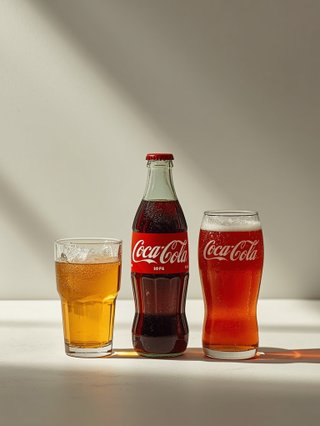
Sugar-sweetened carbonated beverages, commercial juices, and energy drinks represent the single largest source of empty liquid calories in modern diets. The absence of mastication and rapid absorption of simple sugars overburden the liver, strain pancreatic beta cells, and accelerate tooth enamel demineralization. This article analyzes the multi-organ impact of sugary drinks based on clinical evidence.
Enamel Erosion and Dental Caries: Destructive Impact of Acids and Sugars
Dental caries and chemical acid erosion represent the most immediate pathological outcomes of sugar-sweetened beverage intake. Carbonated soft drinks exhibit remarkably acidic pH levels (frequently between 2.5 and 3.5) due to high concentrations of phosphoric, citric, or malic acids. At an oral pH below the critical threshold of 5.5, hydroxyapatite crystals in tooth enamel undergo rapid chemical dissolution.
Simultaneously, the monosaccharides and disaccharides in these beverages feed cariogenic oral bacteria, predominantly Streptococcus mutans. These pathogens rapidly ferment available sugars into lactic acid, producing a localized acidic microenvironment that outlasts the buffering capacity of saliva and accelerates progressive tooth decay.
Fructose and High-Fructose Corn Syrup: De Novo Lipogenesis and Hepatic Steatosis
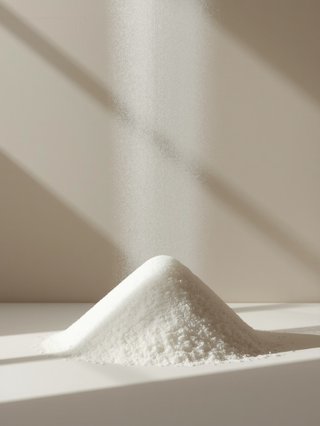
The majority of sweetened beverages utilize high-fructose corn syrup (HFCS) or sucrose, yielding substantial loads of free fructose. Unlike glucose, which is utilized by virtually all cells via insulin-dependent mechanisms, dietary fructose is cleared almost exclusively by hepatic tissue.
Hepatic fructolysis bypasses phosphofructokinase, the primary rate-limiting regulatory enzyme of glycolysis. This unregulated enzymatic shunt floods hepatocytes with carbon precursors, dramatically accelerating hepatic de novo lipogenesis and intracellular triglyceride accumulation, culminating in metabolic dysfunction-associated steatotic liver disease (MASLD). Concurrently, rapid hepatic ATP consumption during fructose phosphorylation drives uric acid production, predisposing to hyperuricemia and hypertension.
Disruption of Satiety Signaling and Metabolic Syndrome Progression
Liquid calories fail to activate fundamental physiologic satiety cascades. Fluids empty rapidly from the gastric chamber without exerting prolonged mechanical distension on muscular walls or generating sustained vagal stretch-receptor signaling. Consequently, postprandial circulating ghrelin levels remain unsuppressed, while satiety peptides such as peptide YY (PYY) and cholecystokinin (CCK) are inadequately stimulated.
Individuals consuming sugar-sweetened beverages do not compensate by reducing solid food intake at subsequent meals, producing an unmitigated caloric surplus. Over time, this chronic positive energy balance drives visceral adipose deposition, triggers systemic low-grade inflammation, and accelerates leptin and insulin resistance.
Healthy Alternatives and Protocols for Tapering Sweetened Beverages
Abrupt cessation of sweetened beverages in habitual consumers frequently induces withdrawal-like symptoms, including cephalalgia, dysphoria, and intense psychological cravings, particularly if beverages contain caffeine. A structured behavioral tapering protocol is significantly more sustainable: progressively diluting juices with water (1:1, then 1:3) or substituting carbonated drinks with mineral water infused with fresh citrus and botanical herbs.
Exceptional alternatives include cold-brewed infusions of peppermint, lemon balm, or hibiscus served chilled with lime slices, alongside low-sugar authentic kombucha. Unsweetened mineral waters enriched with natural electrolytes deliver deep cellular refreshment and restore acid-base balance without triggering insulin surges.
Want to apply these guidelines in your daily diet?
Our smart diet generator creates a tailored meal plan in 3 minutes based on the recommendations in this article.
Tags

Julia Wójcik
• 25.11.2026Diets Premium Expert
Diets Premium team expert. Specializes in nutrition plans, strength sports, and training plans.