Soy milk vs. rice milk: nutritional properties and composition of alternative plant-based drinks compared to traditional cow's milk
Table of Contents 4
Medical & Editorial Disclaimer (§3 Terms): This article is for informational and educational purposes only, does not constitute medical advice, diagnosis, or treatment, and is used at your own risk. Consult a qualified physician for medical conditions.
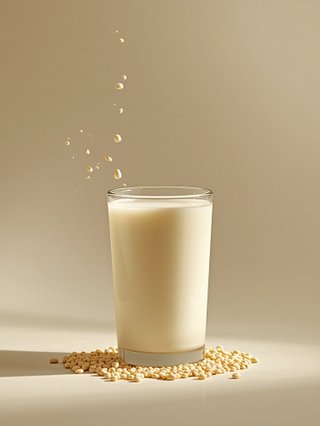
Soy milk is characterized by its high protein content, featuring a complete amino acid spectrum, making it a satiating option with a low impact on blood sugar levels. Rice milk, conversely, is extremely low in protein and exhibits a very high glycemic index, as its carbohydrates are converted into simple sugars through enzymatic processing. While soy milk can be advantageous for blood sugar management and for athletes, rice milk, due to its hypoallergenic profile, is a safe choice for individuals with multiple intolerances, though it should not be a primary milk substitute for young children due to natural arsenic accumulation.
For daily use, this means soy milk is an excellent choice for a protein-rich diet and can contribute to satiety. Rice milk, on the other hand, is ideal for individuals with multiple allergies or as a quick energy source before physical activity. It is advisable to opt for unsweetened varieties and to look for fortification with calcium and vitamins to optimize nutrient intake and best meet individual dietary preferences.
The continuous growth of the plant-based dairy category presents consumers with diverse substitutes for traditional bovine milk. Among the foundational options are soy milk and rice milk. While both are intrinsically 100% plant-derived and free from lactose and cholesterol, their macronutrient distributions, glycemic indices, protein quality, and allergenicity diverge sharply. This comparative study examines their composition, clinical indications, and functional applications.
Composition and Nutritional Profile of Soy Milk
Pure soy milk is manufactured by hydrating, grinding, boiling, and straining whole soybeans. An unadulterated unsweetened formulation lists merely water and non-GMO soybeans (typically 6–9% by weight).
Macronutrient metrics per 100 ml include:
- Protein: 3.0–3.5 g (complete amino acid spectrum);
- Fat: 1.8–2.0 g (predominantly polyunsaturated and monounsaturated lipids);
- Carbohydrates: Under 1.5 g (in unsweetened formulations);
- Energy: 35–45 kcal.
Quality commercial varieties are enriched with tricalcium phosphate or calcareous marine algae to deliver 120 mg of elemental calcium alongside cobalamin (B12) and ergocalciferol/cholecalciferol (vitamin D).
Composition and Nutritional Profile of Rice Milk
Rice milk is produced from milled brown or polished white rice subjected to enzymatic processing that hydrolyzes complex starches into maltose and glucose, imparting a pronounced inherent sweetness without added refined sugar.
Per 100 ml, rice milk typically contains:
- Protein: Only 0.1–0.3 g (insignificant for daily protein requirements);
- Fat: Approximately 1.0 g (chiefly derived from added cold-pressed sunflower or expeller-pressed rapeseed oil used for emulsion stability);
- Carbohydrates: 9.0–11.0 g (principally simple sugars and fast-digesting oligosaccharides);
- Energy: 48–55 kcal.
Notably, rice milk possesses a very high glycemic index (GI 85–90), triggering rapid postprandial glucose surges.
Health Comparative Analysis: Satiety, Glycemia, and Metabolic Impact
Contrasting physiological characteristics reveal distinctly different clinical indications:
| Parameter | Soy Milk | Rice Milk |
|---|---|---|
| Protein Content | High (3.3 g/100 ml), complete amino acids | Minimal (0.2 g/100 ml) |
| Glycemic Index | Low (GI approx. 30) | Very High (GI approx. 85–90) |
| Satiety Factor | Elevated (mediated by peptide satiety hormones) | Low (rapid gastric emptying of simple sugars) |
| Clinical Fit | Type 2 diabetes, insulin resistance, athletics, weight loss | Acute gastrointestinal recovery, quick pre-exercise glycogen fuel |
Culinary Applications, Hypoallergenic Profile, and Pediatric Safety
Allergenicity and Pediatric Safety Guidelines:
Rice milk stands as the most hypoallergenic plant milk available, lacking gluten, soy, tree nuts, and dairy proteins, making it an indispensable resource in complex elimination diets. However, health authorities (including the European Food Safety Authority - EFSA) advise that due to natural inorganic arsenic accumulation in rice crops, rice milk should not be utilized as a primary milk substitute for infants and young children under 5 years of age.
Culinary Performance:
- Soy Milk: Emulsifies and froths exquisitely for espresso beverages (microfoam), withstands culinary heat in savory sauces, and enhances elasticity in baking;
- Rice Milk: Due to its light, fluid consistency and inherent sweetness, it is ideal for puddings, morning cereals, and fruit smoothies.
Want to apply these guidelines in your daily diet?
Our smart diet generator creates a tailored meal plan in 3 minutes based on the recommendations in this article.
Tags

Wojciech Wiśniewski
• 23.10.2026Diets Premium Expert
Diets Premium team expert. Specializes in nutrition plans, strength sports, and training plans.