Sweet almond oil – chemical characteristics and versatile use in gastronomy and skincare
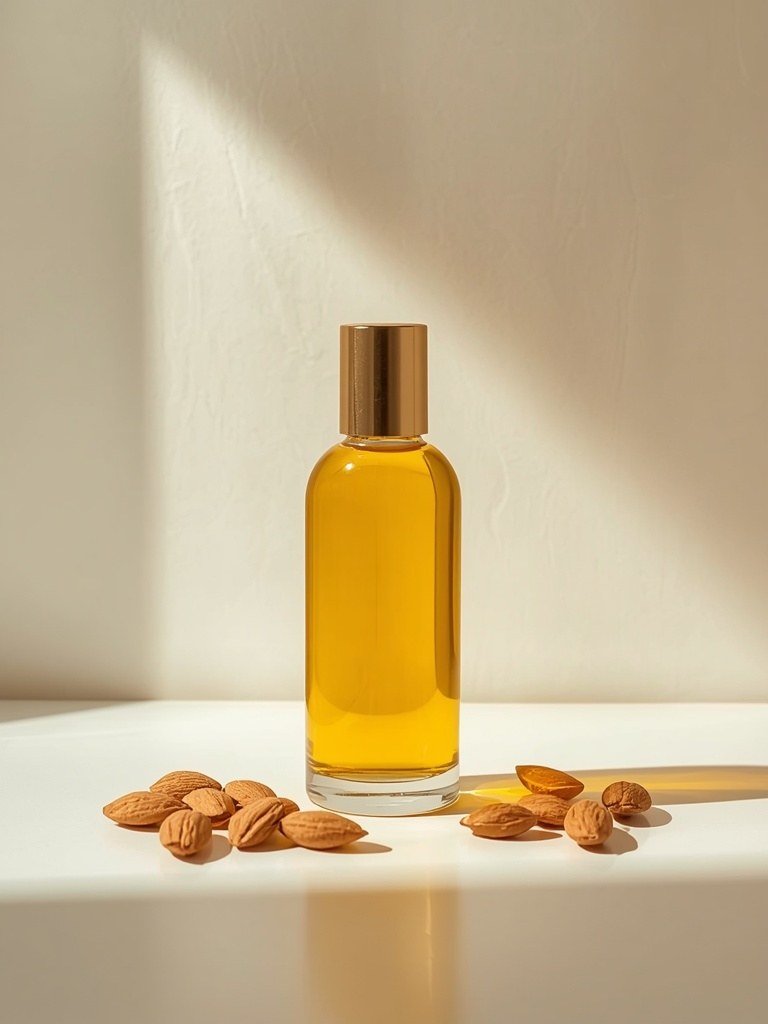
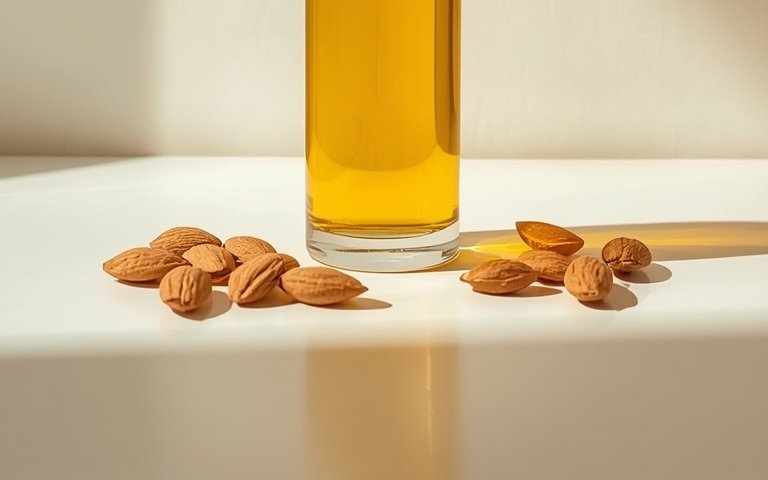
Table of Contents 3
Medical & Editorial Disclaimer (§3 Terms): This article is for informational and educational purposes only, does not constitute medical advice, diagnosis, or treatment, and is used at your own risk. Consult a qualified physician for medical conditions.
Biochemically, the oil features a harmoniously balanced profile dominated by oleic and linoleic acids, reinforced by natural alpha-tocopherol, vital vitamins, and trace minerals such as magnesium, calcium, and zinc. This composition provides exceptional biocompatibility with human cutaneous lipids, allowing it to soothe pruritus, soften rough patches, and strengthen dehydrated or sensitive epidermal layers. When used in gastronomy, its unheated application preserves sensitive fatty acid bonds and antioxidants, shielding tissues from oxidative stress and supporting metabolic balance.
To derive the maximum health benefits, sweet almond oil should be incorporated as a finishing touch on cold or warm dishes—such as drizzled over steamed vegetables, fresh salads, artisanal cheeses, or integrated into traditional confectionery such as marzipan—rather than used for high-temperature frying. For dermatological care, applying the oil to damp skin after bathing helps lock in moisture, enhance tissue elasticity, and calm irritation. Regular, mindful use serves as a gentle, evidence-based approach to nourishing the body inside and out.
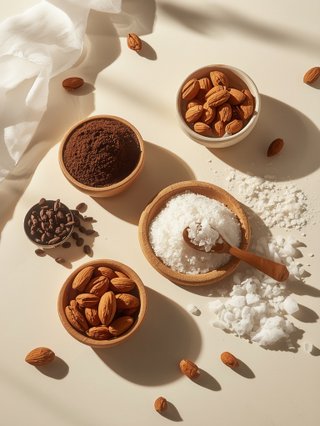
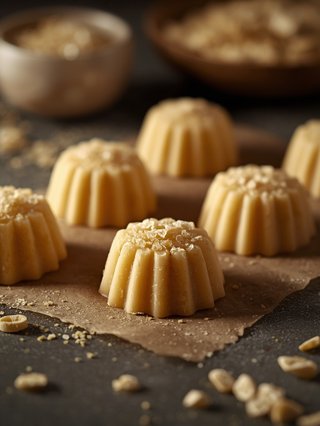
Obtained from the kernels of sweet almonds through a cold-pressing extraction method, this oil is distinguished by its elevated concentrations of heart-healthy polyunsaturated fatty acids, alongside a comprehensive array of fat-soluble vitamins and trace minerals. Its faintly nutty, understated fragrance and mild flavor profile render it an optimal complement to savory meat preparations, confectionery delights with a sweet disposition, and serve as an indispensable component in authentic marzipan formulations, where it imparts the signature smoothness and aromatic depth.
Sweet almond oil – biochemical profile and vitamins
Sweet almond oil (cold-pressed from Prunus amygdalus dulcis) boasts a remarkably balanced lipid profile. It is dominated by monounsaturated oleic acid (60–75%) and polyunsaturated linoleic acid (20–30%), supplemented by palmitic acid. Crucially, sweet almond oil is an outstanding natural reservoir of alpha-tocopherol (vitamin E), alongside vitamins A, B1, B2, B6, and vital minerals including magnesium, calcium, and zinc, giving it superior biocompatibility with human cutaneous lipids.
Cosmetic and dermatological skincare applications
In cosmetology, sweet almond oil is celebrated as one of the safest, most effective hypoallergenic base oils for sensitive, dehydrated, and atopic skin. It softens cutaneous rough patches, repairs minor barrier lesions, and calms pruritus. Due to its lightweight non-greasy consistency, it is widely utilized in pregnancy massage to prevent striae distensae (stretch marks), in pediatric infant care, and in professional facial massage protocols to restore smooth, supple elasticity.
Sweet almond oil – culinary applications and nutrition
Culinary-grade cold-pressed sweet almond oil is a gourmet edible oil prized for its delicate, nutty flavor and heart-healthy unsaturated fat content. It should never be used for high-temperature frying, as heat degrades its delicate polyunsaturated bonds and vitamin E content. Instead, it is best reserved as a finishing oil drizzled over steamed vegetables, carpaccio, grain salads, artisanal cheeses, and baked desserts, providing both sophisticated taste and cardioprotective nutrients.
Want to apply these guidelines in your daily diet?
Our smart diet generator creates a tailored meal plan in 3 minutes based on the recommendations in this article.
Tags

mgr Tomasz Jankowski
• 25.11.2026Diets Premium Expert
Diets Premium team expert. Specializes in nutrition plans, strength sports, and training plans.