Chips and coconut flakes – properties, nutritional values, and calories


Table of Contents 4
Medical & Editorial Disclaimer (§3 Terms): This article is for informational and educational purposes only, does not constitute medical advice, diagnosis, or treatment, and is used at your own risk. Consult a qualified physician for medical conditions.
From a nutritional perspective, coconut products possess a very high energy density driven predominantly by their substantial fatty acid content. Contemporary nutritional science classifies these fats primarily among saturated fatty acids, which warrant mindful daily restriction to support cardiovascular wellness. Despite this, coconut flakes provide dietary fiber and essential micronutrients, while their low carbohydrate content contributes to a favorable glycemic profile.
For practical daily nutrition, coconut chips and flakes should be enjoyed sporadically rather than relied upon as routine staples. They work wonderfully as occasional textural additions to fruit bowls and natural yogurt parfaits, allowing enthusiasts to enjoy their rich flavor while maintaining a balanced and health-conscious diet.
Availability, types, and forms of coconut products
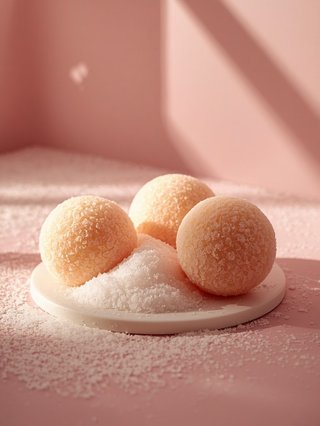
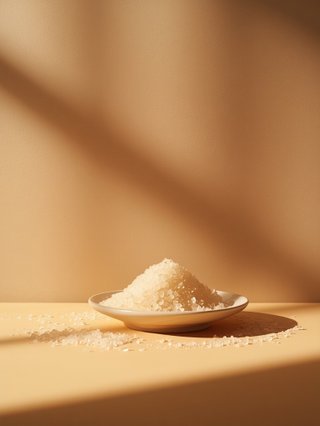
Coconut flakes and chips are widely available natural snack products derived from the dried white meat (copra) of mature coconuts. Supermarkets offer finely shredded desiccated coconut ideal for baking, as well as broader raw flakes and lightly toasted coconut chips that serve as a crunchy, standalone low-carb snack.
Nutritional components, energy value and glycemic index
Do they display health-promoting properties?
Regulatory recipes
Want to apply these guidelines in your daily diet?
Our smart diet generator creates a tailored meal plan in 3 minutes based on the recommendations in this article.
Tags

mgr Tim Klein
• 23.10.2026Diets Premium Expert
Diets Premium team expert. Specializes in nutrition plans, strength sports, and training plans.