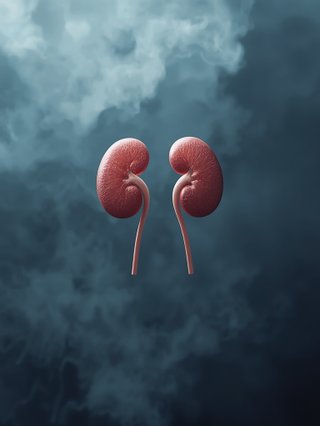
Nutritional therapy in the context of cystic fibrosis – key aspects of dietary recommendations for patients with this chronic, multi-organ hereditary disease


Table of Contents 5
Medical & Editorial Disclaimer (§3 Terms): This article is for informational and educational purposes only, does not constitute medical advice, diagnosis, or treatment, and is used at your own risk. Consult a qualified physician for medical conditions.
The pathophysiology reveals that nutrient absorption is severely compromised due to ductal obstruction, leading to significant malabsorption. Furthermore, the increased energy expenditure is driven by chronic inflammation and labored breathing. Treatment therefore necessitates careful energy management and the targeted substitution of digestive enzymes to facilitate fat digestion, alongside adequate supplementation of fat-soluble vitamins.
Practically, this means that all meals must possess a significantly elevated energy density, with an emphasis on incorporating fats from high-quality sources. The administration of pancreatic enzymes must occur immediately prior to consuming any fat-rich meal, and sufficient sodium intake is required to compensate for the chloride reabsorption defect caused by the condition. These structured approaches support the maintenance of optimal bodily condition.
This article is professional premium content (PRO) provided in its entirety.
Cystic fibrosis (CF) is a systemic genetic disorder in which clinical nutritional status directly correlates with forced expiratory volume (FEV1) and median life expectancy. Driven by exocrine pancreatic insufficiency in ~90% of cohorts coupled with marked hypermetabolism from labored respiration and persistent bronchopulmonary inflammation, patients necessitate aggressive hypercaloric nutritional therapy. This guide outlines international ESPEN/CF foundation guidelines covering energy ratios, pancreatic enzyme replacement therapy (PERT), fat profiling, and water-miscible fat-soluble vitamins.
What is Cystic Fibrosis? Multisystem Pathophysiological Overview
Cystic fibrosis is a monogenic autosomal recessive channelopathy triggered by mutations in the CFTR chloride-conducting epithelial pore. It primarily impacts respiratory architecture (viscous mucus impaction, bronchiectasis, bacterial biofilms), gastrointestinal organs (pancreatic ductal obstruction, focal biliary cirrhosis), and sweat glands.
Pathogenesis of Energetic Deficit and CF-Associated Malnutrition
Malnutrition in cystic fibrosis represents a complex multifactorial cascade:
- Elevated basal expenditure: Increased respiratory muscle work under high airway resistance and constitutive pulmonary inflammation drive hypermetabolism.
- Pancreatic malabsorption: Intraductal mucus plugs block pancreatic enzyme delivery (lipase, protease, amylase) to the duodenum, inducing severe steatorrhea and nitrogen loss.
- Hyporexia: Chronic persistent coughing, sputum ingestion, and circulating inflammatory cytokines suppress hypothalamic hunger centers.
Clinical Manifestations of Malnutrition Across Age Cohorts
In pediatric cohorts, undernutrition presents as failure to thrive, flat centile growth trajectories, and delayed pubertal and skeletal maturation. In adult cohorts, it manifests as accelerated sarcopenia, osteopenia, osteoporotic fractures, and CF-related diabetes (CFRD) secondary to endocrine islet fibrosis.
Dietary Principles – High Energy Density, Fats, and Sodium Enrichment
Key architectural parameters of CF dietary therapy:
- Caloric target: 120–150% of age-adjusted dietary reference values (typically 3,000–4,500 kcal/day).
- Elevated fat fraction: 35–45% of total caloric intake from high-quality sources (butter, virgin oils, fatty fish, MCT oils bypassing lipase).
- Protein enrichment: 2.0–3.0 g/kg body weight to preserve myofibrillar protein synthesis.
- Obligate NaCl supplementation: Liberal salting of all meals to compensate for defective sweat gland chloride reabsorption.
Clinical Protocol – Pancreatic Enzymes (PERT) and ADEK Formulations
Nutritional success hinges on stringent enzymatic and micronutrient execution:
- Pancrelipase (PERT): Enteric-coated microtablets must be swallowed at the very initiation of all fat-containing intake. Dosing ranges from 2,000 to 4,000 lipase units per gram of ingested fat (capped at 10,000 lipase units/kg/day to prevent fibrosing colonopathy). Microtablets must never be chewed or crushed.
- Water-miscible ADEK: Daily administration of specially formulated water-soluble fat-soluble vitamins to avert retinal degeneration (A), rickets/osteomalacia (D), neuropathy (E), and coagulopathy (K).
Want to apply these guidelines in your daily diet?
Our smart diet generator creates a tailored meal plan in 3 minutes based on the recommendations in this article.

Anna Schmidt
• 25.11.2026Diets Premium Expert
Diets Premium team expert. Specializes in nutrition plans, strength sports, and training plans.