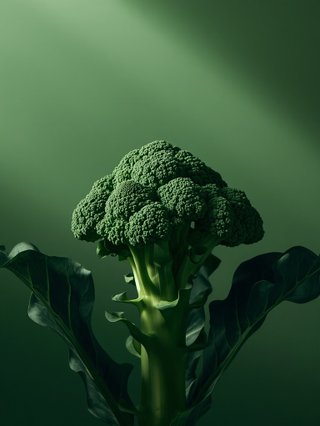
Plant substances similar to cholesterol are found in the normal, everyday human diet


Table of Contents 3
Medical & Editorial Disclaimer (§3 Terms): This article is for informational and educational purposes only, does not constitute medical advice, diagnosis, or treatment, and is used at your own risk. Consult a qualified physician for medical conditions.
The physiological mechanism behind these compounds involves the competitive inhibition of cholesterol absorption within the human digestive tract. Because these plant analogs are structurally similar to cholesterol, they effectively occupy the same absorption pathways, which helps to limit the amount of cholesterol taken up by the body. This process serves as a natural method for supporting the reduction of circulating levels of low-density lipoprotein, often referred to as bad cholesterol.
To incorporate these beneficial compounds into your daily routine, focus on consuming a variety of cold-pressed vegetable oils, nuts, legumes, and cereal sprouts. Integrating these nutrient-dense foods into your regular meals is a practical and effective strategy for increasing your intake of these bioactive substances, thereby contributing positively to your overall health and wellness goals.
Phytosterols: plant-derived cholesterol analogs with lipid-modulating properties
Phytostanols – plant-derived compounds for cholesterol modulation
Phytosterols and plant stanols – natural sources and occurrence in food products
Want to apply these guidelines in your daily diet?
Our smart diet generator creates a tailored meal plan in 3 minutes based on the recommendations in this article.
Tags

mgr Mateusz Pawlak
• 24.09.2026Diets Premium Expert
Diets Premium team expert. Specializes in nutrition plans, strength sports, and training plans.