Chia seeds – recipes for kids. Chia seeds for young gourmets


Table of Contents 4
Medical & Editorial Disclaimer (§3 Terms): This article is for informational and educational purposes only, does not constitute medical advice, diagnosis, or treatment, and is used at your own risk. Consult a qualified physician for medical conditions.
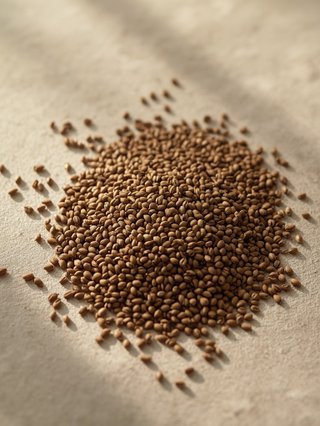
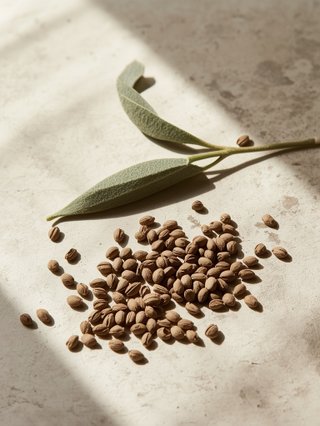
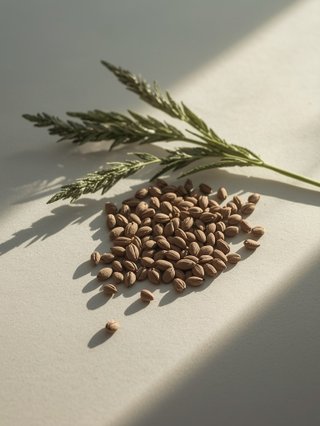
Chia seeds, also known as Spanish sage, are rich in essential nutrients, including omega fatty acids, which are vital for brain and sensory organ development. They also contain protein, carbohydrates, antioxidants such as flavonoids that may inhibit platelet aggregation, and dietary fiber. These components support cognitive processes, facilitate knowledge absorption, enhance insulin sensitivity, and strengthen the immune system by regulating immune response.
For daily nutrition, chia seeds offer versatile applications. They can be used in smoothies, desserts, yogurts, and salads. The article presents simple recipes, such as a yogurt with oats and banana or a mixed grain bar with various seeds and dried fruits, which provide a tasty and nutritious addition to children's meals. This allows the valuable ingredients of chia seeds to be easily integrated into the dietary plan.
Nutritional content and health benefits of chia seeds
Chia seeds, also known as Spanish sage, are rich in essential nutrients, including omega-3 fatty acids (25–41%), primarily alpha-linolenic acid (up to 64 g per 100 g), providing a favorable ratio of anti-inflammatory omega-3 to pro-inflammatory omega-6 acids (linoleic acid). They also contain high protein levels (15–25%), moderate carbohydrates (26–41%), antioxidants such as flavonoids (myricetin, quercetin, campherol), which inhibit platelet aggregation, and dietary fiber (38–40 g/100 g), including insoluble fiber like Lignin Klason, which lowers lipid levels by binding bile acids. Soluble fiber forms gel-like structures, promoting satiety and delaying glucose release. Chia seeds also contain cinnamic acid, chlorogenic acid, and caffeic acid with antibacterial, antioxidant, and anti-inflammatory properties, as well as B vitamins, D, E, and minerals like calcium, phosphorus, magnesium, sodium, potassium, and iron. Due to their gluten-free nature, they are safe for individuals with celiac disease or gluten intolerance. Tab. 1: Nutritional content of chia seeds per 100 g:
- Energy value: 486 kcal
- Protein: 16.5 g
- Fat: 30.7 g (including omega-3 ALA: 17.8 g)
- Carbohydrates: 42.1 g
- Dietary fiber: 34.4 g
- Calcium: 631 mg
- Iron: 7.7 mg
- Magnesium: 335 mg
Owing to this exceptional micronutrient density and abundant alpha-linolenic acid (ALA), chia seeds serve as a valuable addition to children's diets, promoting healthy neurological growth and overall vitality.
Utilization of chia seeds
Chia seeds – essential for growth and health in young individuals
Chia seeds – recipes for healthy meals
Want to apply these guidelines in your daily diet?
Our smart diet generator creates a tailored meal plan in 3 minutes based on the recommendations in this article.

mgr David Janitzek
• 22.03.2026Diets Premium Expert
Diets Premium team expert. Specializes in nutrition plans, strength sports, and training plans.