Black sesame seeds - health benefits and use in Asian cuisine
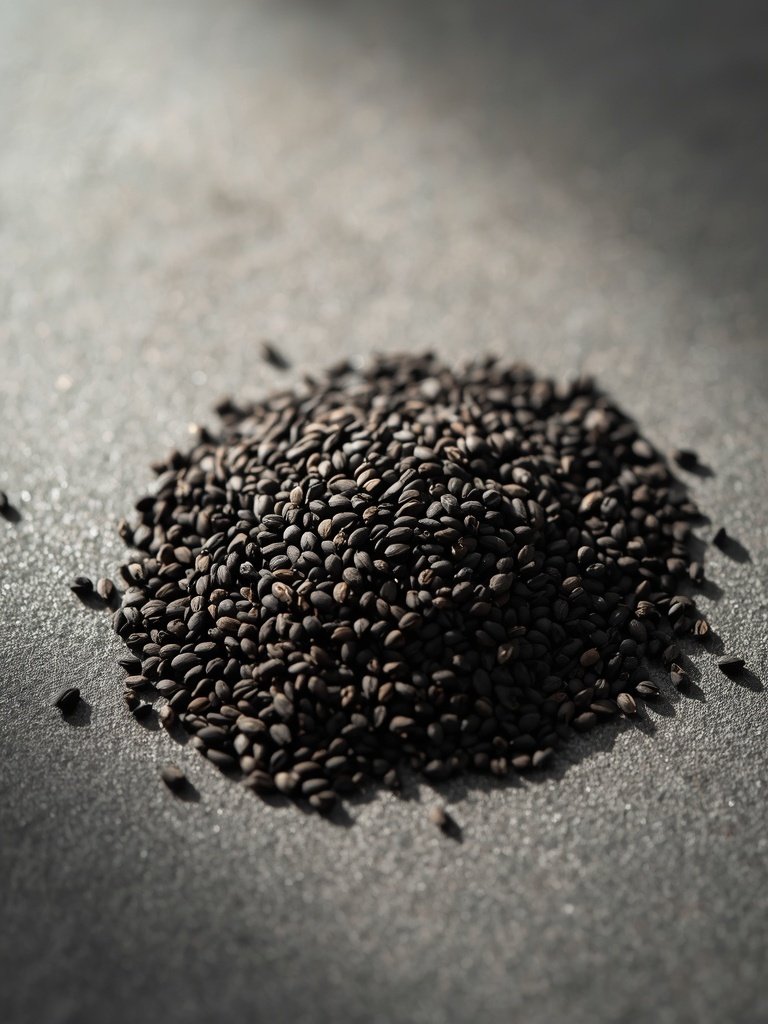
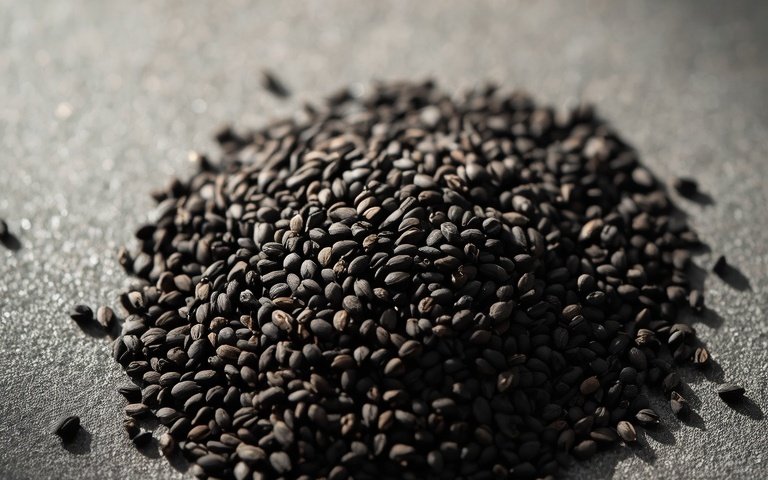
Table of Contents 3
Medical & Editorial Disclaimer (§3 Terms): This article is for informational and educational purposes only, does not constitute medical advice, diagnosis, or treatment, and is used at your own risk. Consult a qualified physician for medical conditions.
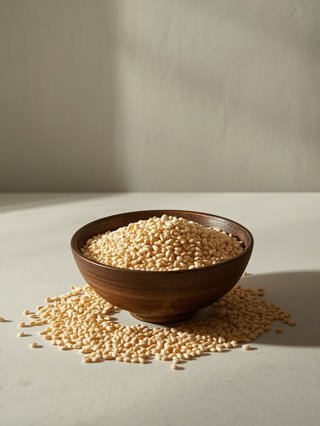
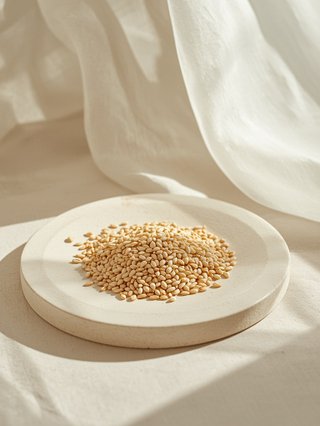
From a nutritional perspective, black sesame seeds provide an abundance of beneficial fats with a low proportion of saturated fatty acids, complemented by substantial plant protein, dietary fiber, and minimal carbohydrates. Compared to white sesame, the dark variety offers a richer supply of vitamins and nourishing compounds traditionally valued in Asian wellness practices for supporting skin hydration, softness, and elasticity, as well as helping maintain strong hair. The article also clarifies the distinction between black sesame and black cumin, noting that while the two look remarkably similar, black cumin imparts a sharp, pungent bite rather than a sweet, nutty taste.
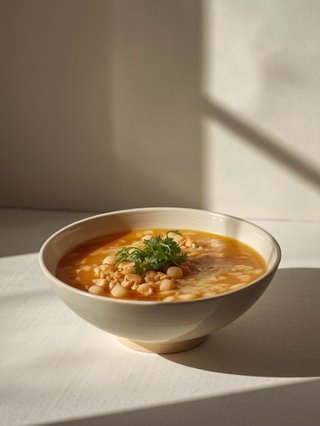
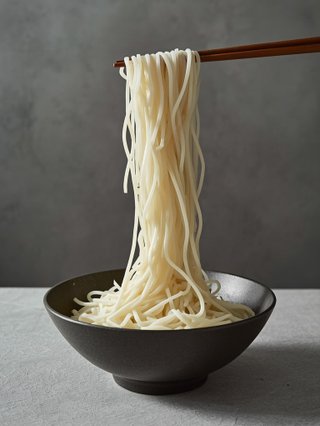
Incorporating black sesame into everyday meals is effortless due to its broad culinary versatility across savory and sweet applications, including sushi, morning porridge, fresh vegetable salads, meat and fish dishes, pastries, and desserts. For an added sensory and nutritional boost, home cooks can blend black sesame seeds with black cumin. Using both seeds together balances gentle nuttiness with bold spice while naturally enhancing the overall nutrient density of daily dishes.
Botanical Profile and History of Black Sesame.
Nutritional Properties, Minerals, and Healthy Fats.
Black Sesame vs. Black Cumin: Key Differences.
Want to apply these guidelines in your daily diet?
Our smart diet generator creates a tailored meal plan in 3 minutes based on the recommendations in this article.

mgr Felix Weber
• 23.10.2026Diets Premium Expert
Diets Premium team expert. Specializes in nutrition plans, strength sports, and training plans.