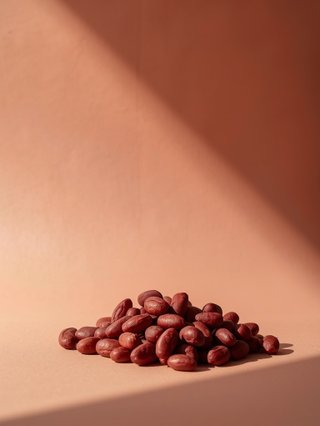
Black beans and berries in the ulcer diet: how polyphenols protect the stomach and duodenum
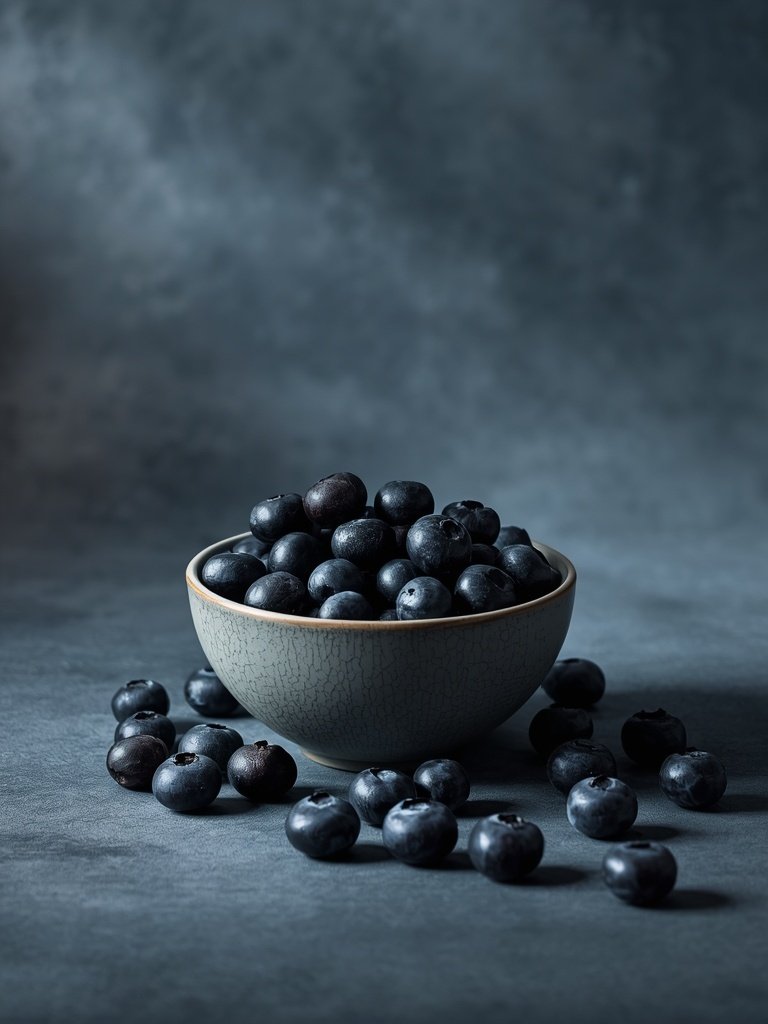
Table of Contents 4
Medical & Editorial Disclaimer (§3 Terms): This article is for informational and educational purposes only, does not constitute medical advice, diagnosis, or treatment, and is used at your own risk. Consult a qualified physician for medical conditions.
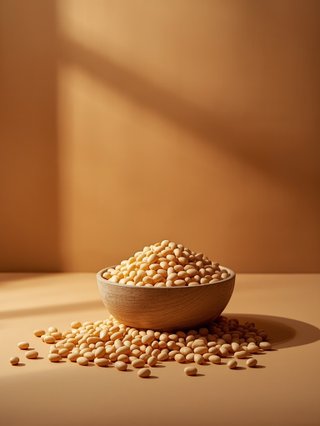
The article explores the underlying mechanisms of peptic ulcer formation and demonstrates how dietary antioxidants act as protective agents by scavenging reactive oxygen species and suppressing pro-inflammatory pathways. Specific compounds found in the dark seed coat of black beans and wild berries help inhibit the colonization of harmful bacteria along the gastric epithelial lining while nurturing beneficial gut microbes that synthesize protective short-chain fatty acids.
Practical guidance emphasizes thoughtful culinary preparation, such as enjoying berries in smooth purees or mild porridges and blending black beans into comforting, herb-infused soups. Adopting a gastroprotective healing diet involves eating regular meals at moderate temperatures, avoiding irritating substances, and focusing on gentle, nourishing whole foods to support natural tissue recovery.
Pathogenesis of Peptic Ulcers and Protective Role of Polyphenols
Black Beans: A Source of Anthocyanins and Soluble Fiber
Berries and Dark Fruits in Countering Helicobacter pylori
Practical Guidelines for a Gastroprotective Healing Diet
Want to apply these guidelines in your daily diet?
Our smart diet generator creates a tailored meal plan in 3 minutes based on the recommendations in this article.

mgr Mateusz Pawlak
• 23.10.2026Diets Premium Expert
Diets Premium team expert. Specializes in nutrition plans, strength sports, and training plans.