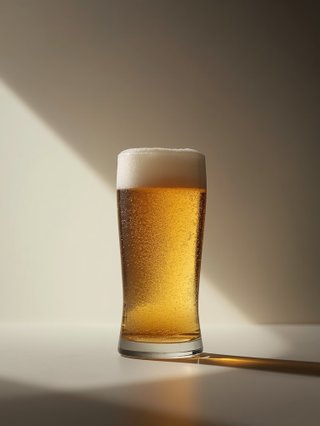
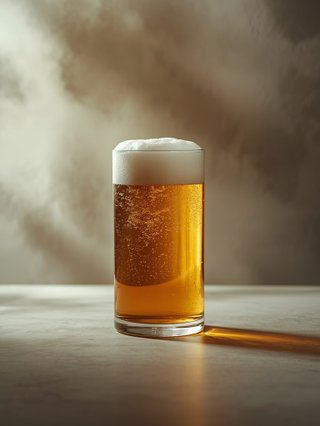
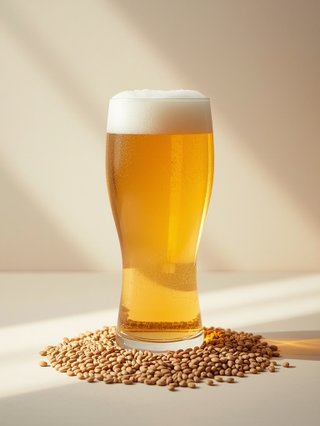
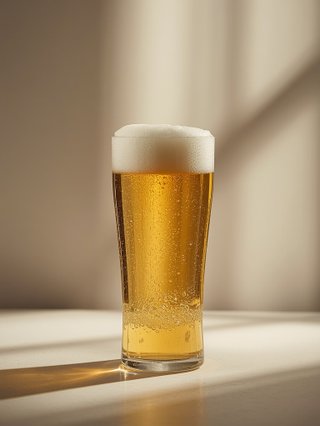
Beer as a fermented beverage – classification of types, variety differentiation, and detailed production process from raw material to final product
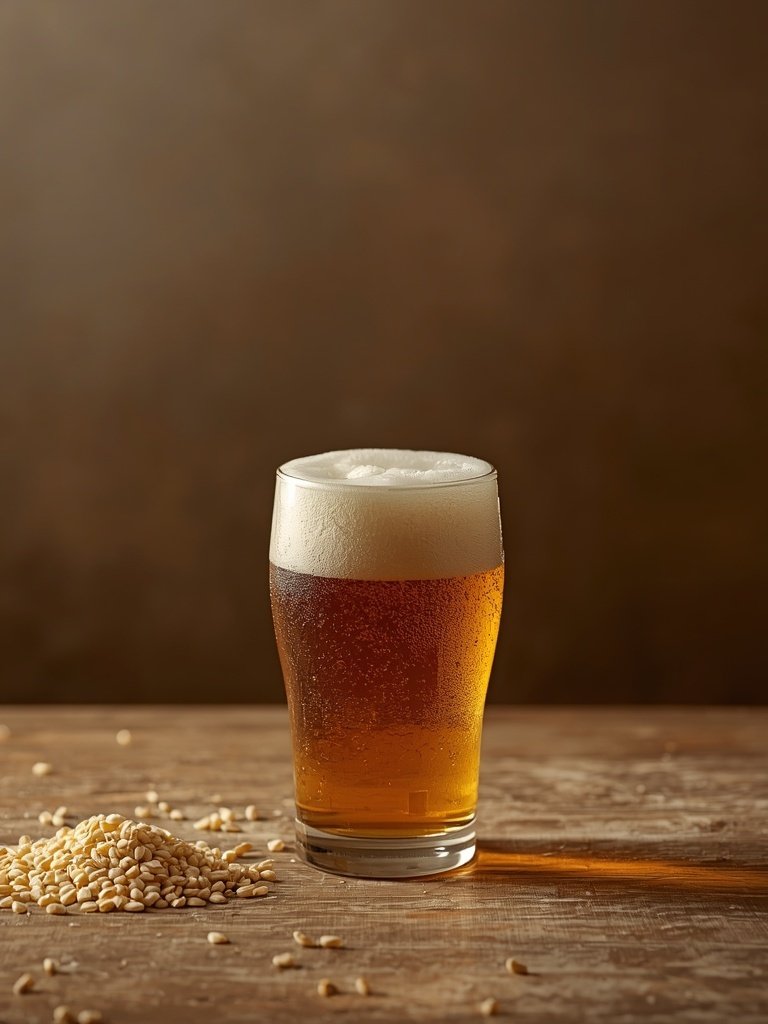
Table of Contents 4
Medical & Editorial Disclaimer (§3 Terms): This article is for informational and educational purposes only, does not constitute medical advice, diagnosis, or treatment, and is used at your own risk. Consult a qualified physician for medical conditions.
The elaborate manufacturing journey begins in the brewhouse with malted grains such as barley or wheat, where mashing activates natural enzymes to convert complex starches into fermentable sugars. Following the separation of the liquid, the sweet wort undergoes boiling alongside carefully selected hops to extract bitterness and ensure microbiological stability, after which specialized yeast strains are pitched to drive primary fermentation. Subsequent stages involve cold maturation and lagering, allowing the green beer to settle, refine its flavor profile, and naturally reduce undesirable compounds while achieving the desired clarity or preserving an authentic unfiltered state.
For those interested in mindful appreciation, understanding the nuances of original gravity, malt selection, and yeast activity enhances the overall tasting experience. Emphasizing quality over quantity encourages consumers to explore artisanal, unpasteurized, or traditional bottle-conditioned varieties that preserve living yeast and complex flavors. By approaching fermented beverages with an appreciation for their historical and technical background, individuals can cultivate a deeper, more discerning relationship with what is in their glass.
This article is professional premium content (PRO) provided in its entirety.
Beer ranks among the most widely consumed alcoholic beverages globally, with a history tracing back to antiquity—the earliest documented evidence of its production dates to over 4000 years before the Common Era. Within the context of Polish history, the oldest written references to this drink emerge in archival records from the year 1414, though there is compelling evidence to suggest that its integration into local customs and culinary practices predates this period significantly, with the beverage already holding a pivotal position in the daily lives of contemporary communities.
Classification of beer styles: color, original gravity, and yeast strains
Due to their immense varietal breadth, beers are categorized along several fundamental brewing criteria. The most accessible visual distinction is color (pale versus dark beers), governed by the kiln drying temperatures of the malt. A vital technological metric is original gravity measured in degrees Balling (Blg) or Plato, delineating light session beers (5–10° Blg), full-bodied standard beers (10.1–15° Blg), and strong high-gravity brews (15.1–22° Blg). Biologically, styles are distinguished by yeast taxonomy into bottom-fermented lagers (7–13°C) and top-fermented ales, stouts, and wheat beers (15–25°C).
Brewing raw materials and the mashing process
The foundation of beer brewing is malted grain, produced in maltings through the controlled germination and kilning of barley or wheat. In the brewhouse, milled grist is combined with hot liquor in the mash tun. The mashing process relies on rigorous temperature rests during which endogenous amylases (alpha- and beta-amylase) convert grain starches into fermentable sugars (principally maltose) and unfermentable dextrins that impart body. Following saccharification, the mash is lautered to separate clear sweet wort from insoluble grain husks (spent grain).
Wort boiling, hop utilization, and biochemical fermentation phases
The sweet wort enters the brew kettle to boil vigorously for 60 to 90 minutes alongside hop additions. Boiling isomerizes bitter alpha acids, sterilizes the wort, and precipitates trub proteins. Following chilling and aeration (oxygen is vital for yeast cell membrane sterol synthesis), the wort is pitched with yeast. Primary fermentation advances through well-defined stages: the lag and initiation phase (10–15 h), low Kräusen marked by hop-resin foam, high Kräusen representing peak metabolic CO2 and ethanol generation, and late Kräusen collapse accompanied by yeast flocculation.
Maturation, bottle conditioning, and craft brewing profiles
Upon completing primary fermentation, young green beer is transferred to maturation lagering vessels for several weeks to months at near-freezing temperatures. Cold conditioning drives natural sedimentation, carbon dioxide dissolution, and enzymatic reduction of off-flavors such as diacetyl and acetaldehyde. Selected traditional and artisanal craft styles undergo secondary bottle conditioning via priming sugar or fresh wort. Unfiltered and unpasteurized craft brews preserve viable yeast cells and elevated polyphenol concentrations, yielding unmatched sensory depth.
Want to apply these guidelines in your daily diet?
Our smart diet generator creates a tailored meal plan in 3 minutes based on the recommendations in this article.
Tags

mgr Max Müller
• 25.11.2026Diets Premium Expert
Diets Premium team expert. Specializes in nutrition plans, strength sports, and training plans.