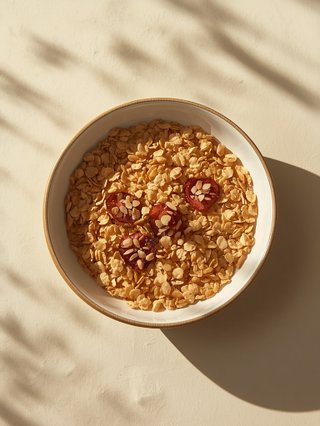
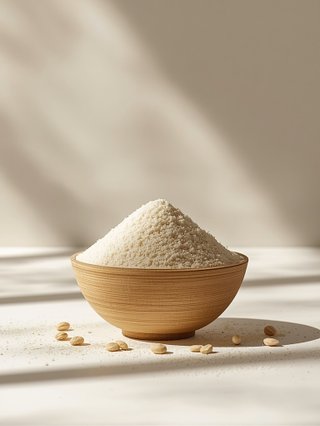
Barley dish for breakfast – why is it worth eating in the cold months of the year?

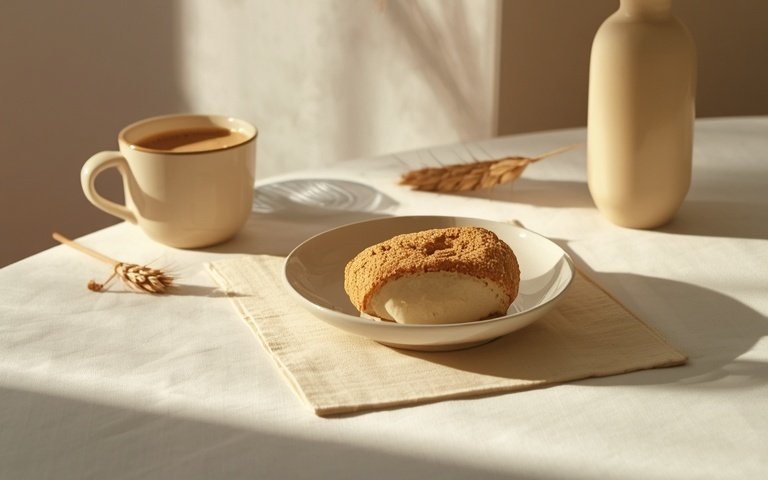
Table of Contents 3
Medical & Editorial Disclaimer (§3 Terms): This article is for informational and educational purposes only, does not constitute medical advice, diagnosis, or treatment, and is used at your own risk. Consult a qualified physician for medical conditions.
From a nutritional perspective, barley is notable for its soluble dietary fiber content, specifically beta-glucans, which support healthy digestive function and contribute to the maintenance of normal cholesterol levels. Furthermore, the grain supplies essential micronutrients including magnesium, iron, zinc, potassium, and B-complex vitamins that assist normal energy metabolism and immune system function. Pairing barley with complementary whole foods further enhances its physiological profile, whether by adding citrus fruits for vitamin C or incorporating nut butters that provide unsaturated fats to support cognitive function.
For everyday meal preparation, tender barley flakes can be gently simmered in dairy milk or plant-based alternatives to create adaptable morning bowls. A hearty variation suited for frosty mornings combines the warm porridge with banana, peanut butter, a touch of honey, and a pinch of cinnamon. Alternatively, a fruity autumn and winter version can be prepared by simmering the flakes with orange juice and milk, then folding in grated pear, fresh orange segments, almonds, a small amount of butter, and honey for natural sweetness and texture.
Time-honored barley-based recipes, passed down through generations, present an extraordinary range of culinary applications ideal for colder weather. Consuming barley as part of the first meal of the day ensures an intake of low-glycemic complex carbohydrates that release sustained energy and promote prolonged warmth and satiety.
Nutritional Value and Health Benefits of Barley
Barley is a traditional grain that serves as an exceptional foundation for a balanced diet, particularly during colder months. It is rich in soluble dietary fiber, notably beta-glucan, which helps maintain healthy cholesterol levels and supports digestive health.
Additionally, barley provides essential minerals including magnesium, iron, zinc, potassium, and B-complex vitamins. Thanks to this robust nutritional profile, a warm barley breakfast warms the body from within, supports immune function, and prevents mid-morning energy crashes.
Hearty Barley Breakfast Recipes for Cold Days
Barley Porridge with Banana and Peanut Butter: This dish is ideal for frosty days when the body requires extra energy to maintain warmth. The combination of tender barley flakes, banana, and peanut butter supplies healthy fats for brain function along with magnesium and potassium.
Ingredients for one serving: 6 tbsp barley flakes, 3/4 cup plant or cow's milk, 1 tbsp peanut butter, 1 tsp honey, 1 small banana, a pinch of salt and cinnamon.
Preparation: Cook the barley flakes in milk until simmering, turn off the heat, add sliced banana, and cover for 5 minutes. Stir in the peanut butter, honey, and spices before serving.
Fruity Barley Variations with Almonds
Barley Porridge with Pear, Orange, and Almonds: A vitamin-rich option for autumn and winter mornings. Vitamin C from oranges strengthens immunity, while grated pear adds natural sweetness and moisture.
Ingredients: 6 tbsp barley flakes, 1 ripe pear, 1/2 cup milk, juice and flesh of 1 orange, 5 almonds, 1 tsp honey, and 1 tsp butter.
Preparation: Simmer barley flakes with milk and orange juice. Mix in grated pear, orange pieces, almonds, butter, and honey. Serve warm.
Want to apply these guidelines in your daily diet?
Our smart diet generator creates a tailored meal plan in 3 minutes based on the recommendations in this article.
Tags

Lena Bauer
• 23.10.2026Diets Premium Expert
Diets Premium team expert. Specializes in nutrition plans, strength sports, and training plans.