Atlantic salmon (Salmo salar) – species characteristics, nutritional values, and role in cardiovascular prevention
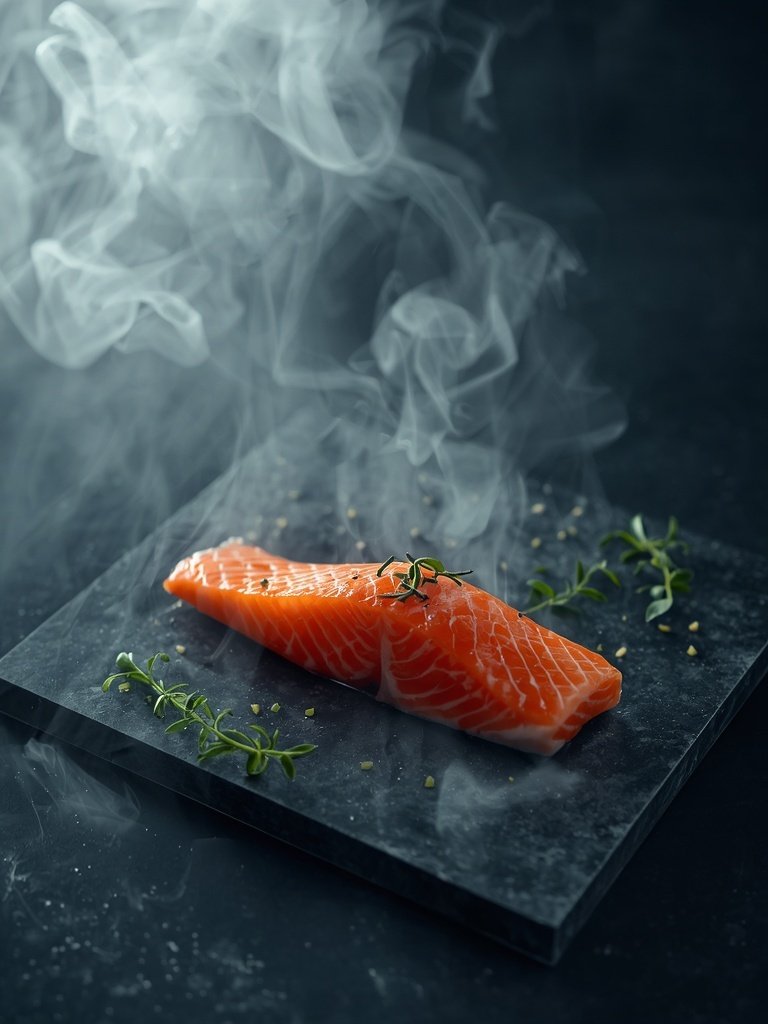

Table of Contents 4
Medical & Editorial Disclaimer (§3 Terms): This article is for informational and educational purposes only, does not constitute medical advice, diagnosis, or treatment, and is used at your own risk. Consult a qualified physician for medical conditions.
The physiological potency of salmon is rooted in its exceptional nutrient matrix, featuring long-chain polyunsaturated fatty acids including eicosapentaenoic acid and docosahexaenoic acid. These essential lipids integrate into cell membrane phospholipids across cardiovascular tissues, supporting healthy endothelial function and vascular resistance. Furthermore, the presence of astaxanthin, a powerful xanthophyll antioxidant, alongside complete proteins, selenium, and natural vitamin D, delivers robust synergistic support for cellular resilience and immune defense.
For daily culinary application, consumers should prioritize fresh cuts characterized by firm tissue, subtle maritime aromatics, and responsible eco-certifications. To prevent the thermal degradation of delicate polyunsaturated fats, intense high-heat frying should be avoided in favor of gentle baking at moderate temperatures, steam poaching, or sous-vide preparation. Integrating these mindful cooking practices ensures that the rich nutritional architecture of the fish is fully preserved for optimal health outcomes.
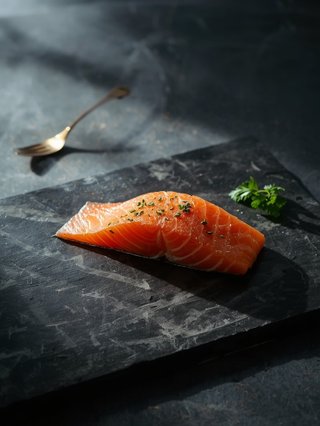
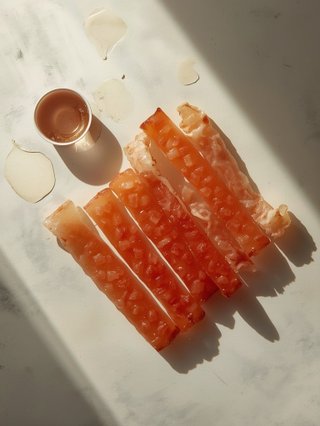
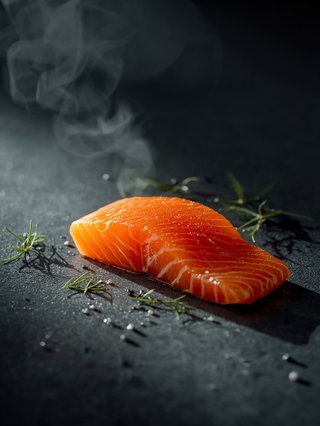
Atlantic salmon (Salmo salar) stands as a cornerstone of preventive human nutrition, recognized by cardiologists and dietitians globally as a benchmark functional food. Boasting exceptional levels of long-chain omega-3 fatty acids (EPA and DHA), high-biological-value protein, natural vitamin D3, and astaxanthin, routine salmon intake robustly safeguards vascular integrity, cognitive function, and systemic immune resilience.
Biology and Species Profile of Atlantic Salmon (Salmo salar)
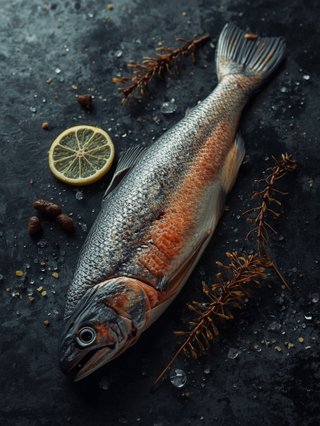
Atlantic salmon is a quintessential anadromous teleost belonging to the Salmonidae family. It features a hydrodynamic fusiform silhouette clad in silvery cycloid scales adorned with characteristic X-shaped dark spots above the lateral line.
Juveniles (parr and smolts) inhabit pristine cold-water river systems of Northern Europe and North America before migrating into oceanic pelagic feeding grounds for rapid maturation. Mature adults undertake an arduous upstream spawning migration back to their natal streams, negotiating formidable rapids and waterfalls.
Omega-3 Fatty Acid Architecture (EPA and DHA) and Cardioprotection
The premier nutritional hallmark of salmon is its abundance of marine omega-3 polyunsaturated fatty acids: eicosapentaenoic acid (EPA) and docosahexaenoic acid (DHA), supplying 1.5 to 2.8 g per 100 g serving.
EPA and DHA incorporate into cell membrane phospholipids across cardiovascular tissues, delivering established clinical benefits:
- reducing fasting plasma triglycerides by 20% to 30%,
- enhancing endothelial nitric oxide release and lowering peripheral vascular resistance,
- conferring antiarrhythmic protection by stabilizing myocardial electrophysiology,
- attenuating platelet hyper-aggregation and reducing arterial thrombotic risk.
Micronutrient Matrix: Vitamin D3, Selenium, and Astaxanthin
In addition to beneficial lipids, salmon flesh represents an unrivaled dietary source of vitamin D3 (cholecalciferol)—a single 150 g fillet easily fulfills 100% of adult daily nutritional targets, pivotal during periods of minimal sunlight.
Furthermore, it supplies complete, digestible protein (approx. 20 g/100 g), selenium for glutathione peroxidase activation, cobalamin (B12), and astaxanthin. Astaxanthin is a xanthophyll antioxidant whose radical-quenching capacity drastically exceeds that of alpha-tocopherol, protecting cells against oxidative decay.
Selection Criteria, Storage, and Nutrient-Preserving Culinary Techniques
When purchasing salmon, evaluate firmness, resilient tissue rebound, subtle maritime aromatics, and eco-certifications (MSC for wild stocks, ASC or Organic for farmed products). Store fresh cuts at 0–2°C and consume within 24–48 hours.
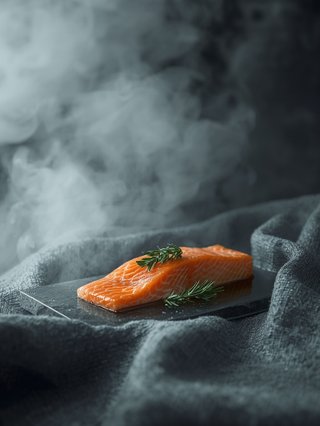
To prevent thermal oxidation of fragile polyunsaturated fatty acids, avoid intense high-heat pan frying. Optimal cooking modalities encompass gentle baking at 160–170°C, steam poaching, or sous-vide preparation accompanied by fresh dill, lemon zest, and rosemary.
Want to apply these guidelines in your daily diet?
Our smart diet generator creates a tailored meal plan in 3 minutes based on the recommendations in this article.
Tags

Olivia Davis
• 23.10.2026Diets Premium Expert
Diets Premium team expert. Specializes in nutrition plans, strength sports, and training plans.