Atlantic salmon (Salmo salar): biological characteristics, natural habitats, farming methods, and culinary techniques
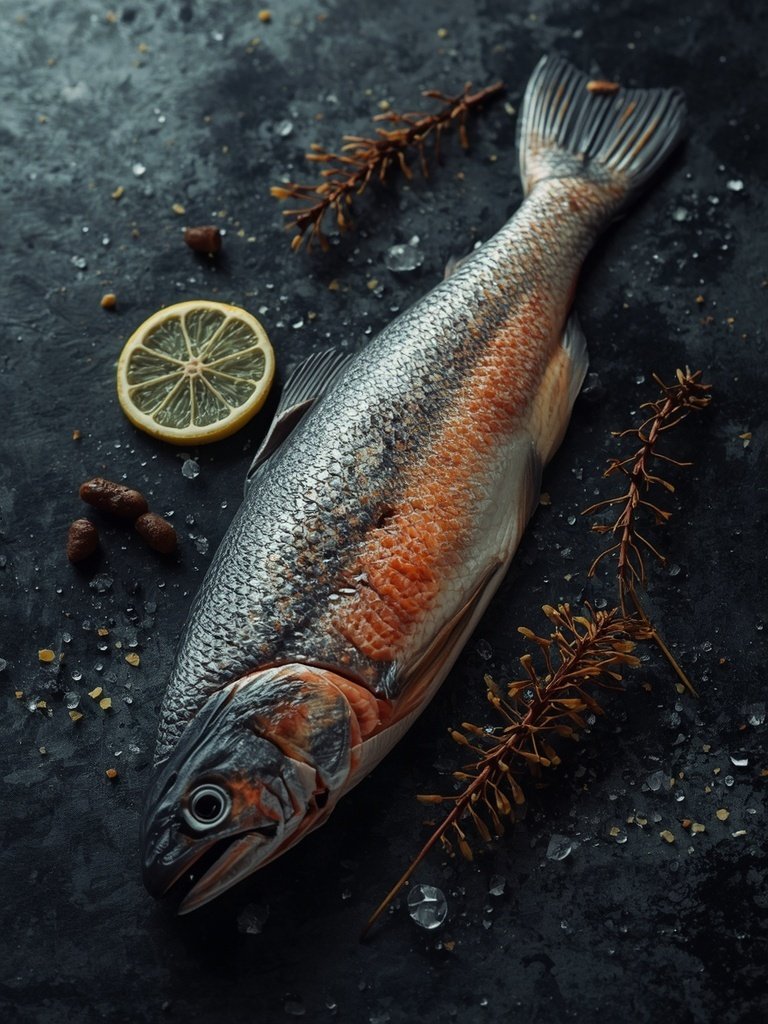
Table of Contents 5
Medical & Editorial Disclaimer (§3 Terms): This article is for informational and educational purposes only, does not constitute medical advice, diagnosis, or treatment, and is used at your own risk. Consult a qualified physician for medical conditions.
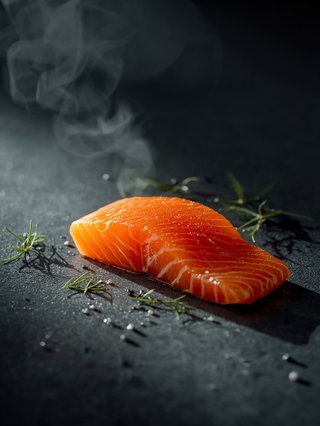
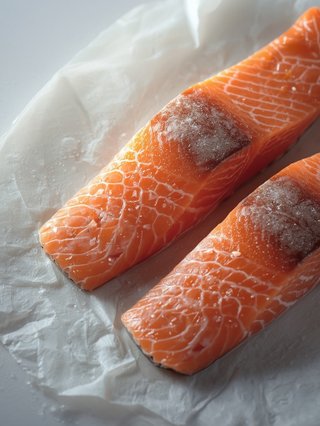
From a physiological perspective, salmon meat delivers high-biological-value protein, essential fat-soluble vitamins, and long-chain polyunsaturated omega fatty acids that actively support metabolic and cardiovascular well-being. Modern aquaculture standards enforce rigorous testing and certified aquafeed formulations to ensure purity and safety. Premium freshness is visually and olfactorily indicated by resilient muscle tissue, clear moisture, and a clean maritime aroma.
To preserve the delicate nutritional integrity of these essential fatty acids, gentle culinary techniques such as steaming, low-temperature baking, or poaching are strongly recommended over intense frying. Avoiding excessive heat protects the vulnerable lipid profile from degradation. Pairing the fish with aromatic herbs and citrus creates a wholesome, flavorful meal that harmonizes culinary pleasure with sound nutritional practices.
Atlantic salmon (Salmo salar) is an anadromous predatory fish of the salmonid family, esteemed globally across gastronomy and clinical dietetics. Celebrated for its remarkable nutritional density, Atlantic salmon represents a premier dietary source of high-biological-value protein, bioavailable vitamin D3, and essential long-chain omega-3 fatty acids (EPA and DHA).
Biology and Nutritional Matrix of Atlantic Salmon
Atlantic salmon is an anadromous species: hatching in pristine freshwater rivers, smolting into oceanic saltwater for rapid growth, and migrating upstream to native riverbeds for spawning.
A 100 g portion provides approximately 20 g of complete protein and 10 to 14 g of lipids dominated by polyunsaturated omega-3 fatty acids (up to 2.5 g combined EPA and DHA). Furthermore, salmon meat supplies fat-soluble vitamins (A, D3), cobalamin (B12), selenium, iodine, and astaxanthin—a potent antioxidant carotenoid responsible for the meat's characteristic coral-pink hue.
Natural Habitats and Ocean Migration Routes
Wild Atlantic salmon naturally inhabits the temperate and subarctic North Atlantic basin and contiguous marginal seas, including the Baltic, North, Norwegian, and Barents seas, alongside coastal river systems of Northern Europe and eastern North America.
Wild Baltic populations typically feature paler flesh, sustained by a wild pelagic diet of sprat and herring. However, anthropogenic pressures, habitat fragmentation, and overexploitation have drastically contracted wild stocks, making them strictly regulated.
Aquaculture Standards and Sustainable Salmon Farming
Over 90% of globally retailed salmon originates from open-net marine cages situated in the pristine fjords of Norway, Chile, Scotland, and Canada.
Leading farms adhere to stringent certification standards (e.g., ASC, GlobalGAP). Rigorously tested aquafeed formulations have dramatically diminished historical persistent organic pollutants (dioxins, PCBs), rendering certified farmed salmon a safe, reliable dietary resource.
Culinary Characteristics and Freshness Quality Evaluation
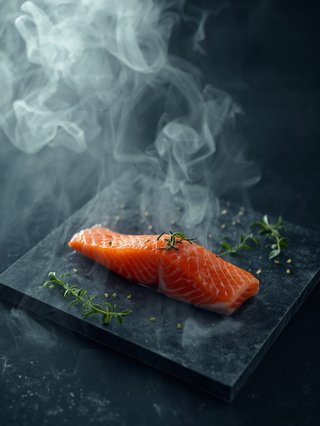
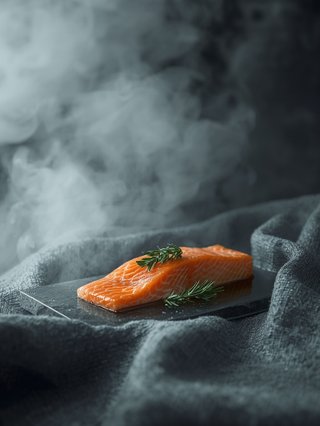
High-grade fresh salmon fillets display firm, resilient muscle tissue with uniform pigmentation and clean white intermuscular fat marbling. The skin must glisten with clear moisture, exuding a fresh maritime scent devoid of pungent ammonia notes.
Salmon harmonizes exquisitely with aromatic herbs (dill, rosemary), citrus juices, garlic, ginger, and tamari soy, maintaining unctuous tenderness across multiple cooking methods.
Optimal Culinary Techniques to Preserve Omega-3 Fatty Acids
Long-chain omega-3 fatty acids are vulnerable to extreme thermal degradation and lipid peroxidation. Prolonged deep frying significantly impairs fatty acid profiles.
The healthiest culinary methods include: baking en papillote at 160–180°C, gentle steaming, light poaching, and sous-vide cooking at 48–52°C. These approaches safeguard the delicate bioactivity of EPA, DHA, and vitamin D while preserving maximal succulence.
Want to apply these guidelines in your daily diet?
Our smart diet generator creates a tailored meal plan in 3 minutes based on the recommendations in this article.
Tags

mgr Tomasz Jankowski
• 23.10.2026Diets Premium Expert
Diets Premium team expert. Specializes in nutrition plans, strength sports, and training plans.