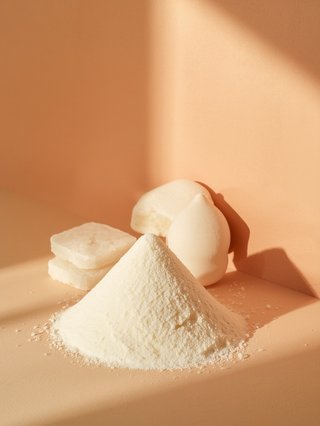
Are these colorful, sweet treats really healthy?
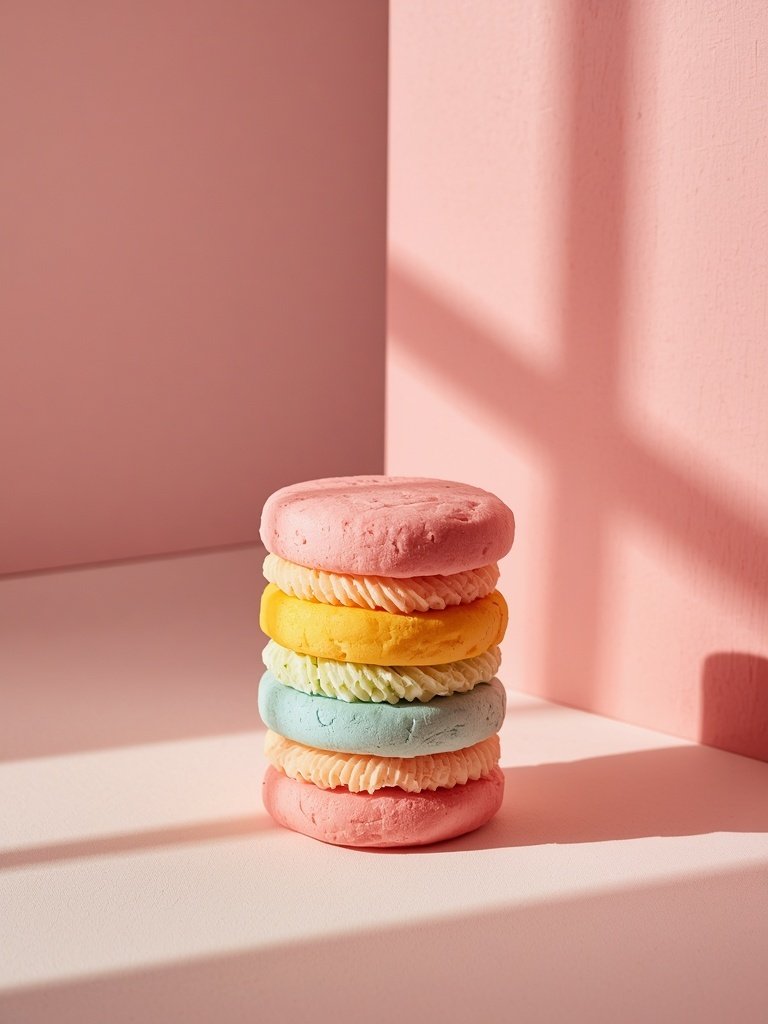
Table of Contents 2
Medical & Editorial Disclaimer (§3 Terms): This article is for informational and educational purposes only, does not constitute medical advice, diagnosis, or treatment, and is used at your own risk. Consult a qualified physician for medical conditions.
Many commercially available sweets contain synthetic colorants and artificial additives that may pose health risks, particularly for children, potentially contributing to attention deficits or hyperactivity. These additives are primarily used for aesthetic appeal and shelf stability, yet they offer no nutritional value and may place an unnecessary burden on the body.
To satisfy cravings for sweets in a healthier manner, it is advisable to substitute highly processed items with natural alternatives such as fresh or dried fruits. Developing the habit of carefully reading labels and choosing whole foods helps to minimize the intake of artificial substances and supports a more balanced approach to daily nutrition.
Harmful additives in confectionery: Ingredients to steer clear of
How to Consciously Select Sweets: Healthier Alternatives and Practical Consumer Guidelines
Want to apply these guidelines in your daily diet?
Our smart diet generator creates a tailored meal plan in 3 minutes based on the recommendations in this article.

Isabella Taylor
• 23.10.2026Diets Premium Expert
Diets Premium team expert. Specializes in nutrition plans, strength sports, and training plans.