Algal microorganisms: biological characteristics and practical use of spirulina and chlorella in science and industry
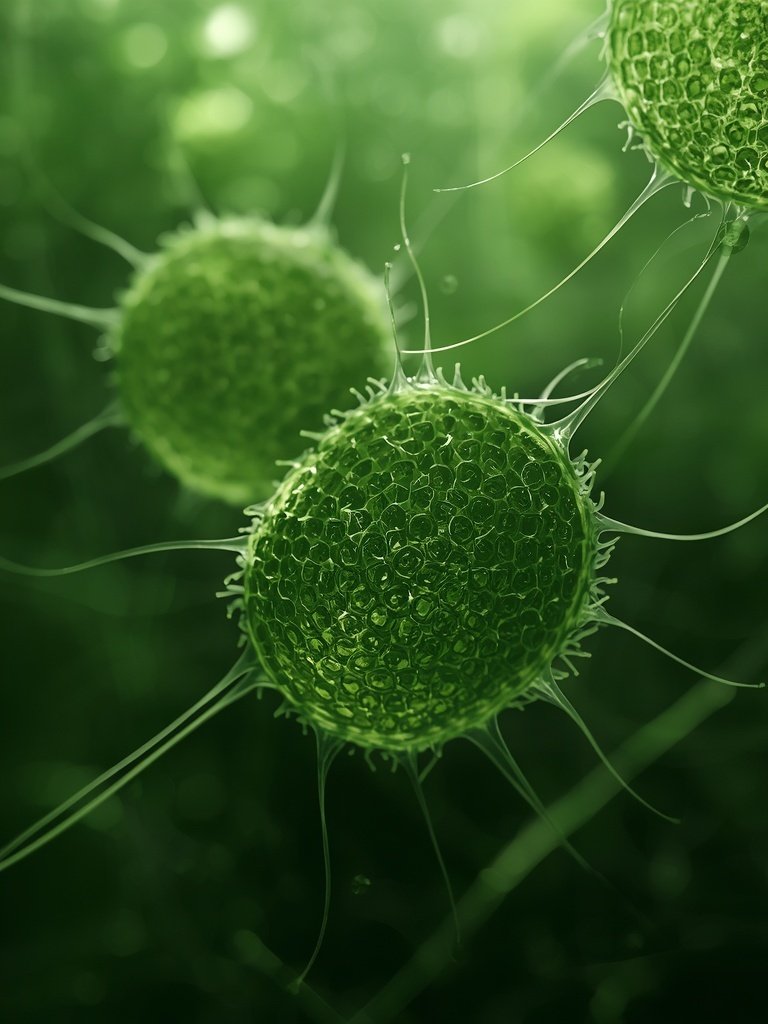
Table of Contents 4
Medical & Editorial Disclaimer (§3 Terms): This article is for informational and educational purposes only, does not constitute medical advice, diagnosis, or treatment, and is used at your own risk. Consult a qualified physician for medical conditions.
An analysis of microalgae reveals they are rich in valuable nutrients, including proteins, omega fatty acids, beta-carotene, and nucleic acids, which can support cellular renewal. Spirulina, known for its blue-green hue, offers cleansing and nourishing effects, while chlorella, having existed for eons, can bind heavy metals and other undesirable substances through its cell walls, thereby aiding detoxification. Both types of algae also contain abundant chlorophyll, which possesses purifying properties and may inhibit the proliferation of microorganisms.
For daily use, microalgae offer practical benefits, particularly as dietary supplements that can be easily integrated into one's diet. They are an excellent source of plant-based protein and can be beneficial for individuals seeking to reduce their intake of refined products. It is suggested to combine them with warm meals to balance their cooling properties. Their cellular components may also stimulate the immune system and contribute to overall vitality.
Microwaves properties
Microwaves use
Microwaves of spirulina
Microwaves of chlorella
Want to apply these guidelines in your daily diet?
Our smart diet generator creates a tailored meal plan in 3 minutes based on the recommendations in this article.

Olivia Davis
• 25.11.2026Diets Premium Expert
Diets Premium team expert. Specializes in nutrition plans, strength sports, and training plans.