African Geranium (Pelargonium sidoides DC.) – medicinal properties, mechanism of action, and use in children
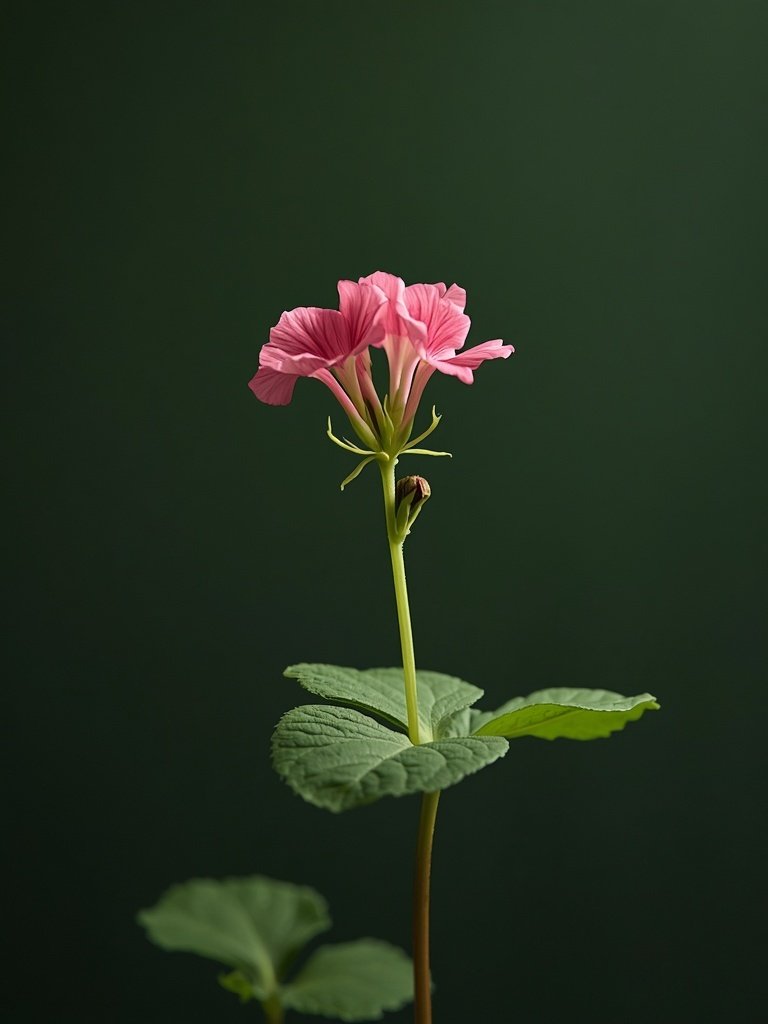
Table of Contents 5
Medical & Editorial Disclaimer (§3 Terms): This article is for informational and educational purposes only, does not constitute medical advice, diagnosis, or treatment, and is used at your own risk. Consult a qualified physician for medical conditions.
The therapeutic efficacy stems from a complex matrix of bioactive compounds, including oxygenated coumarins, phenolic acids, and proanthocyanidins. These constituents work synergistically to exert antiviral and anti-adhesive antibacterial properties, while simultaneously promoting secretomotor activity and modulating the immune response. Such physiological mechanisms help clear respiratory tracts and support the body in overcoming acute infections effectively.
Practical guidance focuses on selecting appropriate pharmaceutical formulations, ranging from oral drops and syrups to coated tablets tailored for various age groups. Special emphasis is placed on pediatric safety, highlighting the importance of age-appropriate dosing and consulting healthcare professionals when administering herbal products to young children. Integrating these quality-standardized preparations thoughtfully contributes to overall vitality and a healthy lifestyle.
African geranium (Pelargonium sidoides DC.) is a medicinal perennial native to South Africa whose standardized root extract (traditionally known as Umckaloabo or EPs 7630) is backed by extensive randomized controlled clinical trials. Driven by a synergistic matrix of oxygenated coumarins (umckalin), phenolic acids, and oligomeric proanthocyanidins, it exerts a triple therapeutic action in acute respiratory tract infections: antiviral, antibacterial (anti-adhesive), and secretomotoric/immunomodulatory. Discover its clinical applications, dosage forms, and pediatric safety profile.
African Geranium (Pelargonium sidoides) – Botanical Origin and History
African geranium (Pelargonium sidoides DC.) is a rosette-forming perennial herb or subshrub belonging to the family Geraniaceae, native to the coastal plains and montane grasslands of South Africa and Lesotho. For generations, traditional Zulu, Basuto, and Xhosa healers prepared decoctions from its dark, woody underground tubers—known locally as Umckaloabo (translating to "severe cough" and "chest pain")—to treat respiratory ailments, fevers, and gastrointestinal colic or dysentery.
The plant was introduced to European medicine in 1897 by Englishman Charles Henry Stevens, who traveled to South Africa seeking relief from pulmonary tuberculosis and returned recovered after treatment with a traditional root preparation. Modern phytopharmacology subsequently isolated its active constituents and validated its efficacy in acute upper and lower respiratory tract infections.
Medicinal Properties and Pharmacological Mechanisms of Pelargonium sidoides
Unlike ornamental garden geraniums, Pelargonium sidoides features velvety, heart-shaped aromatic leaves and distinctive deep burgundy to nearly black flowers. The medicinal raw material is the underground root (Pelargonii radix), harvested after three years when its interior turns reddish-brown. It contains a unique phytochemical profile: highly oxygenated 7-hydroxycoumarins (most notably umckalin and scopoletin) and their sulfated glycosides, phenolic acids (gallic acid and methyl gallate), flavonoids (quercetin, kaempferol), and oligomeric proanthocyanidins (catechin and gallocatechin polymers).
Pharmacological mechanisms of standardized Pelargonium sidoides root extract include:
- Direct antiviral Activity: inhibits host-cell attachment, neuraminidase activity, and replication of common respiratory viruses (rhinoviruses, influenza A, parainfluenza, respiratory syncytial virus [RSV], seasonal coronaviruses, and adenoviruses) as well as herpes simplex viruses (HSV-1 and HSV-2).
- Antibacterial and anti-adhesive action: prevents pathogenic bacteria—including Group A beta-hemolytic streptococci, Streptococcus pneumoniae, Haemophilus influenzae, Staphylococcus aureus, Klebsiella pneumoniae, and Helicobacter pylori—from adhering to and invading mucosal epithelial cells, thereby protecting against secondary bacterial superinfections.
- Immunomodulation and mucociliary clearance: stimulates macrophage phagocytosis, nitric oxide release, and endogenous interferon-beta (IFN-β) synthesis while significantly accelerating respiratory ciliary beat frequency (secretomotoric effect) to mobilize and expel viscous mucus from the bronchi and paranasal sinuses.
Pelargonium sidoides – Drops, Syrup, Tablets, and Extract Standardization
In pharmacies and herbal dispensaries, Pelargonium sidoides root preparations are available in multiple galenic forms tailored to different age groups: oral solution (liquid drops), alcohol-free pediatric syrup, and film-coated tablets. When selecting a product, clinical guidelines recommend choosing registered herbal medicinal products containing a standardized root extract (such as EPs 7630, drug-to-extract ratio 1:8–10, extracted with 11% w/w ethanol), which guarantees consistent levels of bioactive proanthocyanidins and oxygenated coumarins.
Therapeutic efficacy is highest when administration begins within the first 24–48 hours of symptom onset (in acute bronchitis, rhinosinusitis, tonsillopharyngitis, or the common cold) and is maintained for 2–3 days after clinical symptoms subside to prevent relapse.
Pelargonium sidoides – Pharmacy Availability and Pricing
The retail price of Pelargonium sidoides preparations depends on the dosage form, package volume, and regulatory classification (registered over-the-counter herbal medicine versus multi-ingredient dietary supplement). A 20–30 ml bottle of standardized single-herb oral drops or pediatric syrup typically costs around 30–45 PLN (approx. 8–12 EUR) in pharmacies.
In dietary supplements formatted as lozenges, syrups, or capsules, African geranium extract is frequently combined with elderberry, linden flower, marshmallow root, zinc, and vitamin C (ranging from 18 to 35 PLN / 4.50–8.50 EUR). Consulting a pharmacist or pediatrician ensures selection of an age-appropriate, standardized formulation.
Can Pelargonium sidoides Be Used in Children? Pediatric Safety and Dosing
Standardized Pelargonium sidoides root extracts are among the most thoroughly studied phytomedicines in pediatrics. Depending on the specific regulatory approval, oral drops and alcohol-free syrups formulated with dried standardized extract can be administered to children starting from 1 year of age (with physician guidance recommended for toddlers aged 1–5 years), whereas film-coated tablets are approved for children over 6 or 12 years and adults. Age-stratified dosing typically follows 10 drops three times daily for ages 1–5, 20 drops three times daily for ages 6–12, and 30 drops three times daily for adolescents and adults.
Multiple randomized, placebo-controlled trials involving thousands of pediatric patients aged 1 to 12 years have demonstrated that Pelargonium sidoides extract significantly reduces symptom severity scores (cough, sputum production, sore throat, nasal congestion, and fever) and shortens recovery time in acute viral bronchitis, acute rhinosinusitis, and tonsillopharyngitis. Because 85–90% of acute pediatric respiratory tract infections are viral in origin, timely phytotherapy with Pelargonium sidoides substantially reduces unnecessary antibiotic prescriptions and protects the developing gut microbiome. Contraindications include severe hepatic or renal disease, bleeding disorders, and concomitant use of coumarin-type anticoagulants.
Want to apply these guidelines in your daily diet?
Our smart diet generator creates a tailored meal plan in 3 minutes based on the recommendations in this article.
Tags

Kacper Nowak
• 23.10.2026Diets Premium Expert
Diets Premium team expert. Specializes in nutrition plans, strength sports, and training plans.