Seasonal Nutrition Guide: Spring, Summer, Autumn, and Winter


Table of Contents 4
Medical & Editorial Disclaimer (§3 Terms): This article is for informational and educational purposes only, does not constitute medical advice, diagnosis, or treatment, and is used at your own risk. Consult a qualified physician for medical conditions.
Across the structural chapters, the narrative details specific seasonal transitions and their physiological implications. Spring calls for nutrient-dense and cleansing foods to restore equilibrium after winter depletion. Summer prioritizes adequate hydration using pure water and herbal infusions while avoiding dehydrating beverages. Autumn introduces comforting late-harvest fruits and warming recipes, whereas winter focuses on protein sources and long-storable root vegetables to maintain vitality during colder months.
For daily application, readers are encouraged to embrace seasonal variety by incorporating fresh local produce into balanced meals distributed evenly throughout the day. Listen to internal cues, stay properly hydrated during warm weather, and utilize traditional preserves and hearty vegetable soups during winter to support wholesome nutrition in alignment with nature.
This article is professional premium content (PRO) provided in its entirety.
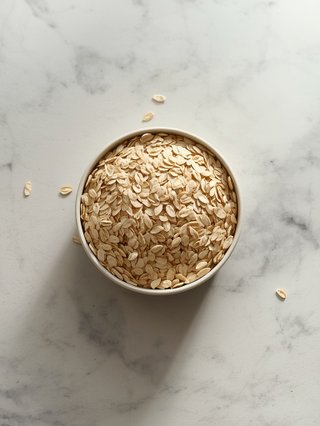
Springtime nutritional regimen
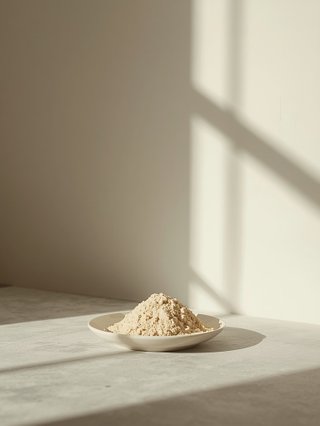
Light and refreshing summer diet
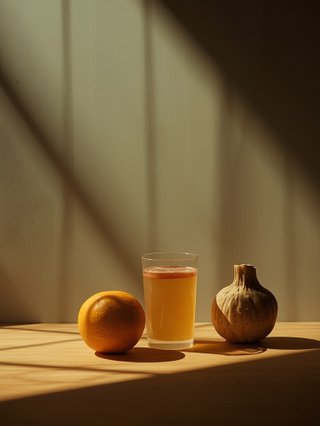
Autumnal nutrition
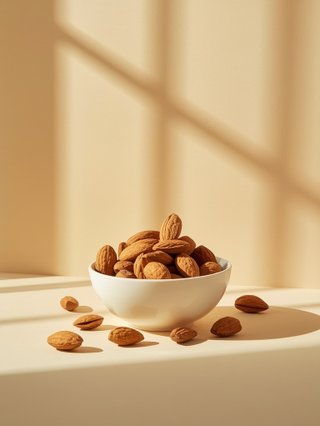
A diet for the winter period
Want to apply these guidelines in your daily diet?
Our smart diet generator creates a tailored meal plan in 3 minutes based on the recommendations in this article.
Tags

mgr Felix Weber
• 24.03.2026Diets Premium Expert
Diets Premium team expert. Specializes in nutrition plans, strength sports, and training plans.