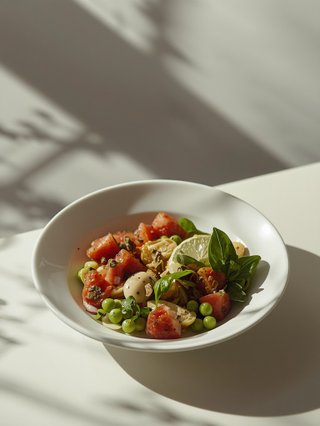
6 tips on how to eat tasty, healthy, and cheaply!


Table of Contents 6
Medical & Editorial Disclaimer (§3 Terms): This article is for informational and educational purposes only, does not constitute medical advice, diagnosis, or treatment, and is used at your own risk. Consult a qualified physician for medical conditions.
Key physiological benefits are derived from prioritizing seasonal produce, which naturally contains higher concentrations of essential micronutrients compared to goods transported over long distances. Legumes emerge as a vital component of an affordable diet, offering high-quality plant protein and fiber that contribute to metabolic health and sustained satiety. Furthermore, flash-frozen vegetables serve as a reliable source of antioxidants and minerals, ensuring that nutritional quality remains high even when fresh options are less available or more expensive.
Actionable success in the kitchen starts with structured meal planning and the use of versatile pantry staples like whole grains and dry pulses. Choosing store brands and cooking from scratch allows for better management of dietary sodium and fats while significantly reducing the cost per serving. Adopting a proactive approach to leftover management and batch cooking not only minimizes food waste but also ensures that wholesome, delicious meals are always ready, supporting long-term health goals without financial strain.
Numerous persons equate healthy eating and the preparation of valuable meals exclusively with top-quality ingredients at a high cost. Must fruitful, delicious, and diverse dishes prepared at home truly absorb a substantial portion of the family budget? Contemporary nutritional science and household economics prove quite the opposite: through smart strategies, mindful planning, and a touch of culinary creativity, maintaining a nutrient-dense diet is entirely achievable without straining your finances.
Planning is Half the Battle: The Weekly Meal Plan as a Savings Tool
One of the most effective tools for reducing household grocery expenditure is creating a structured weekly meal plan. Shopping without a defined list inevitably fosters impulsive spending and perishable purchases that spoil before consumption. A deliberate meal schedule allows strategic ingredient crossover across multiple meals. For instance, roasted root vegetables from dinner can effortlessly become the base for a creamy lunch soup or savory wrap, preventing costly food waste.
Seasonal and Local Shopping: Natural Freshness at a Lower Price
Fruits and vegetables naturally follow seasonal growth cycles. During peak harvest times, produce is exceptionally abundant, drastically lowering prices at grocery stores and farmer markets. Furthermore, plants gathered at their biological peak exhibit the highest micronutrient density and richest flavor, contrasting sharply with greenhouse-forced produce or goods flown across continents. Structuring your weekly menu around a seasonal calendar is a simple, effective blueprint for affordable, health-promoting meals.
The Power of Legumes: Affordable Plant Protein as a Meat Alternative
High-quality dietary protein is essential for physiological function and satiety, but conventional animal sources—particularly premium cuts of meat and wild fish—can strain household grocery budgets. Legumes such as lentils, chickpeas, black beans, and split peas serve as outstanding, cost-effective plant alternatives. Beyond substantial protein content, legumes deliver prebiotic fiber, B-complex vitamins, and essential minerals including iron and potassium, serving as hearty foundations for one-pot stews, homemade spreads, and veggie patties.
Pantry Staples and Frozen Produce: Smart Storage and Preventing Food Waste
Frozen vegetables and berries represent one of the most reliable strategies for budget-conscious nutrition. Because they are flash-frozen immediately post-harvest, they retain virtually all original vitamins, polyphenols, and minerals. Utilizing frozen produce significantly curbs refrigerator food spoilage. Maintaining a foundational pantry stocked with whole dry grains—rolled oats, brown rice, whole-wheat pasta, and canned tomatoes—guarantees that nutrient-dense, economical meals can be prepared in minutes.
Store Brands and Basic Ingredients Instead of Convenience Foods
Convenience foods, pre-packaged snack packs, and ultra-processed ready meals carry hefty price markups per kilogram, reflecting manufacturer labor, packaging, and marketing overhead. Cooking from scratch with whole staple ingredients provides total command over dietary sodium, refined sugar, and saturated fats while slashing grocery expenses. Furthermore, store-brand private label staples frequently match premium branded items in purity and grade at a fraction of the cost.
Smart Leftover Rescue and Meal Prep: Maximizing Kitchen Efficiency
Food waste is effectively throwing money into the trash. Adopting structured Meal Prep techniques—batch cooking staple bases such as roasted vegetables, cooked grains, and legumes in advance—radically optimizes your culinary budget and time. Preparing larger portions for several days minimizes utility usage and kitchen prep hours, while transforming leftover components into nutritious frittatas, grain bowls, and work lunches eliminates waste completely.
Want to apply these guidelines in your daily diet?
Our smart diet generator creates a tailored meal plan in 3 minutes based on the recommendations in this article.
Tags

mgr Max Müller
• 23.10.2026Diets Premium Expert
Diets Premium team expert. Specializes in nutrition plans, strength sports, and training plans.