Abdominal hernia: identification of symptoms, surgical treatment approaches, and dietary recommendations during the recovery period

Katarzyna Mazur
2026-05-19
4 min. read
1 / 1
112
views
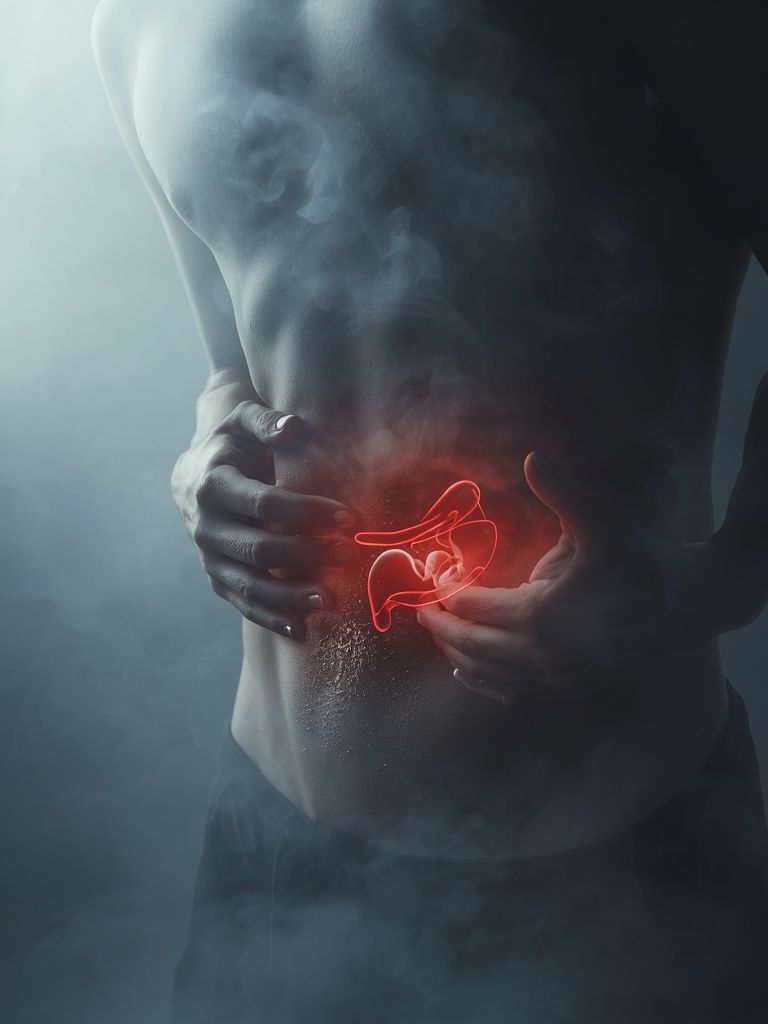
The anatomical structures of the abdominal cavity, including the muscles and ligamentous apparatus, play a critical role in maintaining the proper positioning of internal organs. A hernia develops when, due to elevated intra-abdominal pressure—triggered by factors such as physical exertion, chronic coughing, or constipation—a portion of an organ or adipose tissue protrudes through a weakened area of the abdominal wall, extending beyond the cavity’s natural boundaries. This condition poses significant health risks, including the potential for incarceration or ischemic compromise of the displaced tissue, and thus necessitates prompt specialist evaluation and possible surgical intervention.
The abdominal cavity
Most commonly, abdominal rupture is diagnosed in young children, which is associated with congenital stomach wall disorders, and in the elderly, when the abdomen muscles are already weakened and become weak, thereby weakening its walls.
Symptoms of abdominal rupture
A stomach ulcer can cause a number of symptoms, depending on the location and severity of the disease, but not every patient is affected in the same way. There are people who do not experience any symptoms at all, others suffer from severe pain. The most common include: discomfort within the abdominal cavity, stomach pain, the appearance of a lumpy lining, nausea, vomiting.
Surgery of the abdominal cavity
Conservative treatments, such as avoiding exercise or wearing a lesion belt, can only relieve symptoms (used when the patient is unable to perform surgery or when the lesion affects people over 80 years of age), so in the vast majority of cases the doctor chooses surgical treatment.
The abdominal cavity is a diet
The abdominal cavity does not have a special diet, but care should be taken to avoid constipation, for this purpose it should be based on high-fiber products (2535g/day). However, it should also be remembered that the amount should be increased gradually, especially if the diet was previously poorly fiber-rich. You should also take care of the regularity of your meals, eat them every 23h in small quantities.