Search
Language
Nutritional plan for the elderly - guidelines for seniors
Table of Contents
1. The most prevalent health and nutritional issues faced by the elderly
Aging is a natural stage of life. The WHO distinguishes three periods: early age (60-74 years), late age (75-89 years), and longevity (above 90 years) (B. Łacheta 2014). One of the key factors determining the quality of life of older people is health, i.e. physical, mental and social well-being, which is influenced by factors such as diet and physical activity. The most common health problems in the elderly are diseases of the cardiovascular system, the musculoskeletal system (joints and spine), the liver and the lungs, as well as diabetes, peptic ulcer disease and cancer. With age, older people also begin to experience problems with the nervous system, which may manifest as mild cognitive impairment or dementia. Most of these conditions are chronic diseases dependent on nutrition (B. Piórecka 2013). The diet of older people is also influenced by dental problems, dry mouth, chewing and swallowing difficulties (S. Larrieu et al. 2004). Reduced intestinal motility can lead to constipation, which is a common complaint among older people. Medications taken by the elderly can also affect appetite and taste perception, and some of them can interact with food, disrupting their absorption. The typical diet of older people contains too much fat, sodium and phosphorus. In the daily diet of older people, there are often fatty meat products, processed meats and sweets (J. Kałuża, M. Jeruszka, A. Brzozowska 2001). However, there are too few dairy products, whole grain products and legumes. Older people also do not consume enough vegetables and fruits, which makes it difficult to provide the body with the necessary amount of vitamins and minerals. It is important to note that the substances contained in vegetables and fruits, such as carotenoids, polyphenols and phytoestrogens, can slow down the aging process and reduce the risk of certain types of cancer, cardiovascular disease or other chronic diseases (J. Zalega, D. Szostak-Węgierek 2013). Older people are also more susceptible to bone fractures, which may be related to deficiencies in vitamin D and calcium (A. Szustecka 2020). Insufficient intake of vitamin C (e.g. from vegetables and fruits) can weaken the immune system and increase susceptibility to infections. Insufficient magnesium intake can contribute to the occurrence of hypertension, fatigue or cramps. Proper nutrition for older people can improve their quality of life, prevent the occurrence of diseases and support the treatment of existing conditions.2. Nutritional recommendations for the elderly
Applying a proactive approach to health, especially with regards to dietary habits, can significantly improve the quality of life for the elderly. Providing the body with necessary nutrients and minerals in appropriate amounts can contribute to enhanced physical and mental performance, as well as reducing the risk of diseases. In the process of changing lifestyle and dietary habits for older individuals, combining a suitable diet, individually tailored physical activity, and psychological support that motivates action is essential.3. General recommendations
The cornerstone of health and well-being is a balanced diet. The recommended daily calorie intake for older individuals ranges from 1500-1700 calories for women and 1750-1950 calories for men, depending on age, body weight, sex, and physical activity. Meals should be consumed regularly and in smaller portions, 4-5 times a day with breaks of 3-4 hours. The first meal should be consumed within an hour of waking up and the last meal 2-3 hours before bedtime. It is advised to limit salt intake to 5 grams per day (1 teaspoon) as an excess can lead to cardiovascular diseases and gastrointestinal disorders. Sweets and sugar should be limited as they do not provide any nutritional benefits.4. Vegetables and fruits as a source of vitamins, minerals, and fibrous substances
The basis of diet should be consuming sufficient vegetables and fruits, which amounts to 5 servings per day. They are a source of vitamins, minerals, and antioxidants, which support anti-aging processes. They also contain fibrous substances, which perform many functions in the body. They promote proper digestion and elimination, lower cholesterol levels, and provide a feeling of satiety. If fruits and vegetables are not tolerated as fresh for various reasons, they can be replaced by cooked, baked or juices. However, it is worth remembering that any culinary processing reduces the amount of vitamins, especially vitamin C.5. Protein sources – wholesome and essential in the diet of the elderly
Protein serves as the fundamental building material of the body – in order to prevent a decrease in muscle mass, it is necessary to ensure an adequate number of meals as its source. Complete nutritious protein can be delivered to the body through the consumption of fish, meat, legumes, eggs, and reduced fat milk and dairy products. Meat and fish often contain heme iron, which is best absorbed by the body and helps prevent anemia that often occurs in old age. It is best to consume lean meat species in the form of boiled or roasted: chicken, turkey, lean beef – leg, sirloin, and from pork – schnitzel or tenderloin. Fatty meat species will be a source of animal fat (including fatty acids) and may contribute to an increase in cholesterol and triglyceride levels (M. Jarosz 2011). Dairy products – in addition to providing protein – are rich in calcium, which has a positive impact on the skeletal system. It is worth consuming yogurts, kefirs, buttermilk, or cottage cheese. High-fat dairy products are best replaced with those with reduced fat content, but not completely fat-free, as fat is necessary for the absorption of vitamins A, D, E, and K. Moreover, it is a carrier of flavor, and this aspect is also important in the diet of the elderly. In old age, lactose intolerance occurs more frequently than in individuals from other age groups. Currently, there are no shortage of products labeled as "lactose-free" on store shelves, making it unnecessary to give up dairy. It is also worth checking whether gastrointestinal discomfort occurs after all dairy products or only after milk. Products such as yogurts and kefirs are already pre-fermented by lactic acid bacteria, increasing the body's tolerance.6. Sources of food abundant in carbohydrates
The primary source of carbohydrates in the diet of seniors, excluding vegetables and fruits, should be flour-based products. The best choice is products from the full milling, which are abundant in dietary fiber, B vitamins, and mineral ingredients. These products have a lower glycemic index than purified products, which means they raise glucose levels in the body to a lesser extent. Additionally, they have a beneficial impact on lowering cholesterol levels in the body. Therefore, it is worth incorporating whole-grain bread, whole-grain pasta, groats: buckwheat, pearl barley, bulgur, millet, brown rice, and oat flakes (preferably mountain oats) into the diet of seniors.7. Sources of Fat
Suggested sources of fats include: vegetable oils, olive oil, nuts, seeds and avocados. They contain vitamin E, at times referred to as the vitamin of youth, due to its properties that delay the aging process of the body (M. Jan 2011). The greatest health benefits can be achieved by consuming raw oils, for example, as a salad dressing. It is advisable to limit the intake of products rich in harmful saturated fatty acids, such as butter, cream, lard, fatty meats, yellow cheeses and sweets.8. Fluid substances
Elderly individuals often forget to consume an adequate amount of fluid, which may be due to a reduced sensation of thirst. Older individuals are more susceptible to dehydration, so it is necessary to ensure they receive an appropriate amount of fluid through drinking water, tea, fruit and vegetable juices, dairy drinks, as well as consuming vegetables and fruits. Women should consume approximately 2 liters of water daily and men 2.5 liters. The type of water should also be well adapted to the state of health – persons with high blood pressure are recommended to drink low-sodium water and elderly individuals with osteoporosis – calcium and magnesium-rich water. Healing waters should be used only under the supervision and care of a doctor.9. Techniques for preparing meals
The most effective methods of heat treatment include: cooking in water or steam, choking (without prior frying or with frying, but with a limited amount of fat), baking (in heat-resistant container, gloves, baking paper). Frying – especially using large amounts of fat – is not recommended. This way, we provide the body with additional calories, a high dose of fat, and dishes prepared in this way are harder to digest. The diet for seniors should be well-balanced and meet the nutritional needs of the body. Furthermore, it should be diverse and appealing.10. The most significant principles of nutrition for the elderly
– Regularly consuming 4–5 diverse meals throughout the day. – Increasing consumption of vegetables and fruits – up to 5 daily portions. – Choosing lean meats and fish varieties instead of fatty ones. – Choosing whole-grain products instead of refined ones. – Choosing plant-based oils, olive oil, and oils from oily seeds instead of animal-based oils. – Reducing consumption of processed products and ready meals. – Reducing consumption of sugar and sweets. – Reducing salt intake. – Ensuring adequate fluid intake. – Caring for regular physical activity.11. Nutrition method for seniors - an example of a food consumption plan
The meal plan should be individually tailored to the current state of health and culinary preferences. The preparation and consumption of dishes should be satisfying and have a positive impact on overall well-being.12. An exemplary single-day diet plan
Ingredients: – 1/2 cup of oat flakes, – cup of 2% milk, – apple, – teaspoon of ground flax seeds, – spice. Preparation: Cover oat flakes and ground flax seeds with milk, cook for a long time. Add spice and grated or finely chopped apple to the prepared oatmeal mixture.13. Second breakfast: egg spread sandwiches with avocado
Components: 2 slices of whole-grain bread, 1 egg, 1/3 avocado, 1 teaspoon of natural yogurt, 1 piece of pickled cucumber, 1 teaspoon of dill. Preparation: Cook the egg until hard, let it cool, peel it, and chop it into small cubes. Scoop out the flesh of the avocado and chop it into small cubes as well. Chop half of the pickled cucumber into small cubes. Blend together the finely chopped ingredients egg, avocado, cucumber, yogurt, and dill to create a spread. Spread the paste on the bread and consume it with the remaining part of the cucumber.14. Midday meal: pasta with spinach and chicken
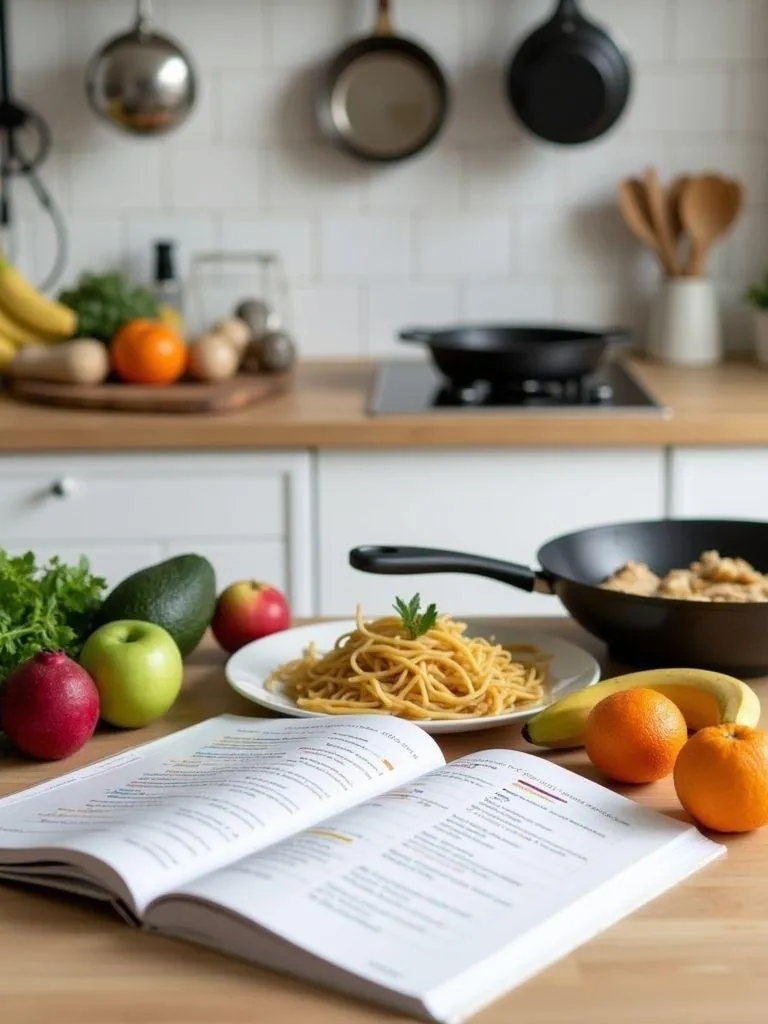
Components: 1⁄4 portion of chicken breast, 1⁄2 cup of whole-grain pasta, 1⁄2 pack of spinach leaves, 1⁄3 onion, a handful of cocktail tomatoes, 4 tablespoons of natural yoghurt, 1 tablespoon of vegetable oil, 1 clove of garlic. Preparation: Cook the pasta according to the package instructions. Cut the chicken into cubes. Heat the oil in a pan and sauté the chopped onion and garlic. After a few minutes, add the meat, the halved cocktail tomatoes and the spinach leaves. Simmer for a few minutes until the meat and vegetables are tender. Transfer to a plate and mix with natural yoghurt. Pour the pasta with the meat-spinach sauce.15. Afternoon meal: fruit medley
Ingredients: banana, mandarins, 5 tablespoons of low-fat yogurt, 1 tablespoon of chopped walnuts or 1 flat tablespoon of peanut butter. Preparation: Peel the fruits and cut into cubes. Combine with yogurt and sprinkle with chopped walnuts or mix yogurt with peanut butter.16. Dinner: beetroot salad with feta
Ingredients: - cooked beetroots, - 2 flat tablespoons of feta cheese with 12% fat, - a teaspoon of olive oil, - a teaspoon of sunflower seeds, - a slice of whole grain bread, - a handful of rocket leaves. Preparation: Cut the beetroots and feta into cubes, put them in a bowl with rocket leaves. Sprinkle the whole with sunflower seeds and drizzle it with olive oil. Serve it with bread. A varied diet consisting of products that provide vitamins and minerals is the foundation for maintaining health and improving quality of life. Combining this diet with an appropriate amount of physical activity is an effective measure in preventing and treating many diseases.