
Search
Language
Nutrition and Acne - Facts and Misconceptions
Table of Contents
1. What indicators signal the presence of acne?
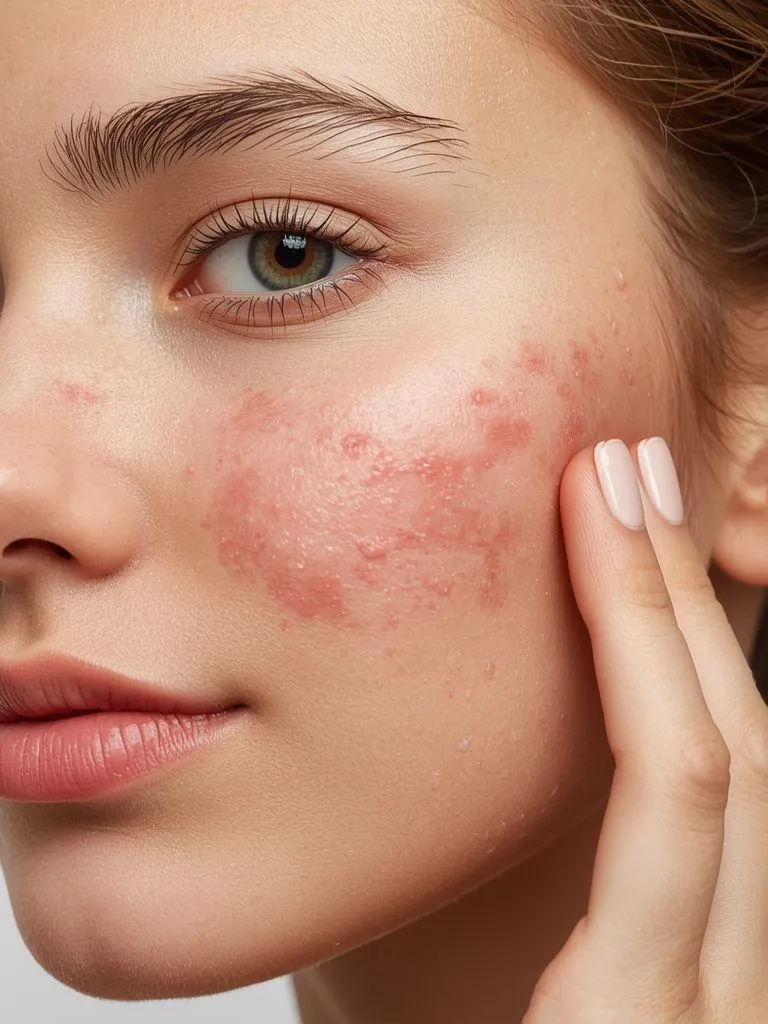
Acne is a skin condition that is characterized by the formation of nodules, blisters, and skin changes. The cause of this is the excessive production of sebum by the sebaceous glands, which is influenced by androgens, leading to keratinization and blockage of the excretory ducts. This in turn results in inflammation, in which the naturally occurring skin bacteria Cutibacterium acnes are also involved. Acne is recognizable by large, red-purple changes that can be very painful. These changes occur on the face, neck, back, and chest. The majority of cases of acne have a genetic basis, but research is ongoing to investigate other factors that may influence the development of this condition.2. Process of treating acne
Combating acne is typically a long-drawn-out process requiring patience. Locally-acting medications (e.g. retinoids and antibiotics) and orally ingested drugs (e.g. hormones) are prescribed. Physiotherapeutic methods such as extraction of cysts or cryotherapy are increasingly being employed. However, a challenge in effective treatment is the increasing resistance of acne to commonly used antibiotics. This necessitates the development of new treatment methods. Interestingly, metformin, a medication used in diabetes treatment, has been observed to have a positive impact on the disappearance of acne lesions. Furthermore, there are increasing studies suggesting that diet and lifestyle may significantly impact skin health, meaning that individuals with acne can improve their skin condition without resorting to invasive methods.3. Does diet have an impact on the occurrence of acne?
The first mention of the role of diet in the course of acne dates back to the 1970s. It was speculated that specific dietary components might influence the disease. The primary factors taken into consideration at that time were the glycemic index and the glycaemic load. Currently, acne is perceived as a civilization disorder or a consequence of the typical Western diet, which is distinguished by high consumption of simple sugars (e.g. in beverages), high intake of dairy products, and sweet foods. Additional elements that may contribute to the occurrence of acne are obesity and diabetes.4. A diet with high glycemic index may worsen acne – Fact
The consumption of products with a high glycemic index contributes to an increase in blood sugar levels, which in turn leads to increased insulin production. This in turn stimulates insulin-like growth factor (IGF-1), which induces the proliferation of both keratinocytes and sebaceous gland cells and stimulates the production of androgens. A study in men aged 15-25 who were on a high-protein, low-glycemic index diet confirmed that their skin condition improved compared to those on high glycemic index diets. A decrease in acne lesions, a reduction in sebaceous gland size, and a decrease in inflammation were observed.5. Research indicates MIT as the sole cause of acne
Acne is considered a genetic disorder (approximately 81%), however, it remains unclear whether this is due to the adoption of the Western diet or unknown environmental factors. Currently, it is believed to be a multifactorial disease (genetics, epigenetics, skin microbiome, and gut microbiome).6. Diet contributes to the manifestation of acne - according to MIT
Presently conducted studies indicate that diet might be a factor influencing the aggravation of acne, nonetheless, it is not the primary cause of its occurrence.7. Nutrition as therapeutic support yields rapid results - MIT
Assessing the effectiveness of diet in the treatment of acne requires considering a period of about 10-12 weeks. Only long-term elimination of milk and products with a high glycemic index can (but does not have to) contribute to improving skin condition. It is important to note that even without noticeable improvements, a diet with a low glycemic index offers numerous health benefits, such as reducing the risk of type 2 diabetes, cardiovascular diseases, and cancer.8. "Milk consumption may exacerbate acne symptoms - FACT"
There are studies conducted by C. A. Adebamowo and his team that suggest certain dairy products (full-fat milk, reduced-fat milk, skim milk) may be responsible for the development of skin changes associated with acne. However, no correlation has been found between this condition and the consumption of yogurt and cheese. This view is also shared by experts at the American Academy of Dermatology.9. The impact of chocolate on the exacerbation of acne changes - FACT
A study published in 2016 found that consuming bitter chocolate by men with a predisposition to acne worsened the condition of their skin. Chocolate promotes hyperglycemia and insulinemia, which lead to the aggravation of common acne.10. Salt-laden snacks may adversely affect the state of acne-prone skin – FACT
In 2016, M.A. El Darouti and co-workers published a study which demonstrated that the intake of salty foods was significantly higher in acne-affected patients compared to those without acne. This suggests that these snacks may have an adverse impact on the state of acne-prone skin. Additionally, it is suspected that spicy foods might also contribute to similar consequences.11. Potential beneficial impact of omega-3 fatty acids on skin health - FACT
Research findings suggest that the combination of supplementation in the form of omega-6 fatty acids, gamma-linolenic acid (GLA), and long-chain PUFA omega-3 fatty acids may possess the greatest potential anti-inflammatory impact, which can be advantageous in the treatment of acne and other skin conditions, such as psoriasis or atopic dermatitis. This implies that consuming products rich in omega-3 fatty acids, such as flaxseed oil, fish (mackerel, salmon), or nuts (e.g., walnuts), can contribute to alleviating acne symptoms.12. Summary
In short, acne is considered as a multifactorial disorder that is closely linked to diet. Milk, chocolate, salty snacks, and consumption of products with a high glycemic index can lead to the aggravation of acne symptoms. Chronic and recurring acne is often correlated with high stress and can lead to a decrease in quality of life. Crucial in the treatment of this ailment is the provision of omega-3 fatty acids to the body, which can help in reducing the inflammation of the skin – therefore, it is recommended that nuts, high-quality fats, and fish be abundantly included in the diet.